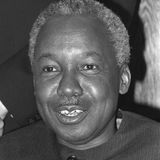
Nyerere stepped down as Tanzania’s president in 1985. He remained the ruling party’s chairman for several more years, a distinction that makes it possible to track the transfer of state office without assuming that all political influence ended at once.
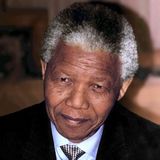
Mandela served as South Africa’s president from 1994 to 1999 and did not seek another term. The handover to Thabo Mbeki is a clear example of a choice to leave the presidency at the end of a term.
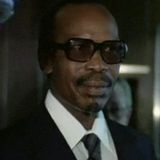
Botswana’s first president died while holding office in 1980. Vice-President Quett Masire succeeded him. The institutional transition belongs in a history of succession, while the cause of the vacancy remains clear.
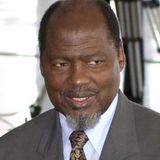
Chissano left Mozambique’s presidency in 2005. The Mo Ibrahim Foundation recognised his choice to stand down and his part in Mozambique’s transition from civil war. The two achievements require their own evidence.
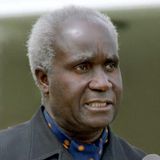
Kaunda lost Zambia’s 1991 multiparty election to Frederick Chiluba and handed over office. The sequence shows a long-serving president recognising the result of a competitive election rather than initiating the transition by retirement.
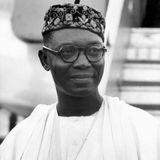
Azikiwe was Nigeria’s first president under the republic inaugurated in 1963. His presidency ended when the military took power in January 1966. This is an interruption of civilian office, distinct from an electoral handover.
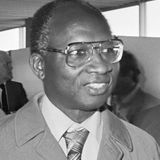
Jawara’s long tenure in The Gambia ended when soldiers took power in July 1994. The use of force determines how this departure should be described, whatever judgement readers make about the preceding civilian years.
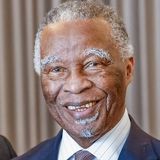
The African National Congress recalled Mbeki in 2008, after which he resigned the South African presidency. The episode shows how a party decision can bring forward a change in state office even without a general election.
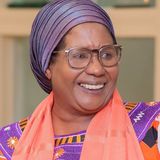
Banda became Malawi’s president in 2012 after Bingu wa Mutharika died in office. The 2014 election brought Peter Mutharika to the presidency. Her entry and exit show two different mechanisms within one term.
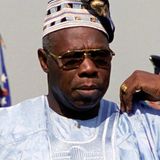
As military head of state, Obasanjo handed over to civilian president Shehu Shagari in 1979. His later elected presidency ended in 2007. Keep the first transfer separate from the later succession at the end of two elected terms.