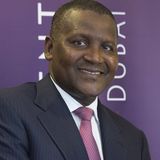
The Dangote businesses grew from trading into industrial production, including cement and refining. A group able to supply an essential material at large scale faces a different set of capital and distribution decisions from the merchant it began as.
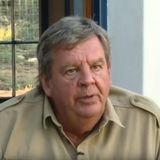
Rupert’s Richemont role centres on a group of specialist luxury houses. Ownership, retail distribution and the management of brands built over long periods offer more explanation than treating the companies as a single jewellery business.
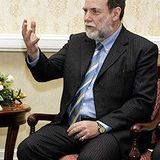
The family’s longstanding interest in De Beers is the central business record. Anglo American announced that it completed the purchase of the Oppenheimer family’s 40% interest in 2012, a dated change in ownership that clarifies the pathway.
Sawiris’s career is closely associated with the OCI industrial businesses. The listed-company record helps readers follow the operating companies separately from his broader investment interests.
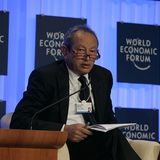
Building and managing telecommunications through Orascom is the useful starting point. It places licensed networks and subscribers at the centre of his business history without blending it into the separate industrial career of his brother Nassef.

African Rainbow Minerals gives a documented starting point for Motsepe’s business career. Its portfolio of mining interests shows why the value of a holding company can depend on several commodities, mines and operating arrangements.
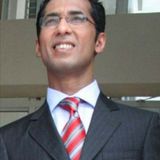
MeTL’s Tanzanian business brings manufacturing, trade and distribution together. That combination helps explain why the relevant operating question is how goods move from production to buyers rather than the sale of one celebrated product.
BUA developed substantial operations in food and cement. The companies provide an industrial comparison through large-scale production and distribution, with a different set of markets attached to each line of business.
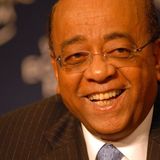
Ibrahim founded Celtel, which operated mobile networks across African markets. The business career can be examined through telecoms infrastructure before moving to the foundation and governance prize he later became known for.

Famfa Oil is the business to follow when tracing Alakija’s petroleum interests. Its involvement in the Agbami field illustrates the distinction between holding an interest in a project and carrying out every stage of operating it.
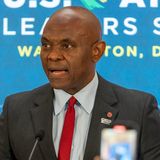
Elumelu’s banking career and later role with Heirs Holdings place ownership and investment alongside banking operations. They can be read separately from the entrepreneurship programmes run through his foundation.

Econet’s Zimbabwean network began operating in 1998 after a long licensing process. The interval between establishing the company and launching service shows why gaining permission and connecting customers are separate stages of building a network.