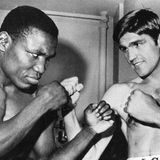
Nigeria’s Dick Tiger won world championships at middleweight and light heavyweight. His two divisions let readers compare his pressure and balance against different opponents, rather than trying to infer his style from a single famous win.
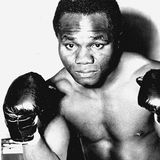
Bassey won the world featherweight title in 1957 by beating Cherif Hamia. His Nigerian and British career makes that win a useful point from which to consider how a boxer from a British colony reached a world title.
Quartey was a world welterweight champion, and his fight with Oscar De La Hoya provides a concentrated study of a commanding jab under pressure. The close decision went against Quartey, a useful reason to watch the rounds as well as check the result.
Mitchell built a sustained world-title career at junior lightweight. The length of that championship run is particularly useful in an all-time comparison because it gives the reader multiple opponents and title defences to examine.
Matlala built a world-title career in boxing’s lightest divisions. His pressure and quick hands made closing the distance a practical problem he had to solve repeatedly against taller fighters rather than a passing detail of his biography.
Bungu took the IBF junior featherweight title by beating Kennedy McKinney. His subsequent title defences make consistency the most useful starting point for judging the career, after the upset that made him champion.

Adesanya came to mixed martial arts with a kickboxing background and won the UFC middleweight championship. Watch how he uses changes in distance and feints within a ruleset in which he must also account for takedowns.

Usman won the UFC welterweight title after a college wrestling career. His strongest championship examples show how control from wrestling can shape the available striking exchanges rather than confining the athlete to one part of the sport.
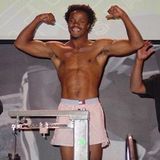
Uganda’s Ouma held the IBF junior middleweight title. His combination punching and sustained pace supply a distinct boxing case, as does the length of his climb to a title after moving into the American professional game.