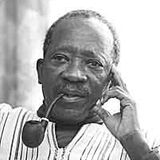
Sembène follows Diouana from Dakar to domestic work on the French Riviera. The shifts between her interior voice and the employer’s apartment make migration, labour and isolation visible in one closely observed relationship.
A businessman’s impotence on his wedding night becomes the starting point for Sembène’s satire of the post-independence elite. Pay attention to the people kept outside the rooms where wealth and authority are negotiated.

Souleymane Cissé lets a young man’s flight from his father unfold through landscape, ritual and inherited power. The Cannes Jury Prize is one reason for its visibility abroad. The atmosphere and its handling of knowledge reward attention within the film itself.

Haile Gerima places a contemporary model in the historical world of plantation slavery. The shift puts memory and the way it is represented at the centre of the film, while its characters give resistance several different forms.
Djibril Diop Mambéty follows two young people who dream of leaving Dakar for France. Abrupt edits and recurring sounds keep the promise of escape in tension with the place they are trying to leave.
In Mambéty’s adaptation of Friedrich Dürrenmatt, a wealthy woman returns to the town that expelled her and offers money on a terrible condition. The response makes the town itself a character as its expectations begin to change.
The first part of this Igbo-language video production, directed by Chris Obi Rapu, follows a man pursuing wealth through an occult bargain. Its format and circulation are as important to the history of Nigerian video as its moral argument.
Gavin Hood’s Johannesburg-set film follows a young man who discovers a baby in a car he has stolen. The discovery changes the pace and moral stakes of an already violent story. The film won the foreign-language Oscar.
Abderrahmane Sissako observes everyday life under armed Islamist rule. Domestic disagreements, music and a football scene lend specificity to a film that asks what happens when an occupying force tries to control ordinary habits.

Kunle Afolayan uses a found figure and an apparent change of fortune to turn friendship into a thriller. The uncertainty invites a second viewing: notice which events the characters explain through belief and which could follow from their own decisions.
Mati Diop begins with unpaid construction workers and a dangerous departure from Dakar, then follows those left behind. The film’s shift towards the supernatural deepens its account of grief, work and the unsettled future facing its young characters.
Wanuri Kahiu follows Kena and Ziki as their relationship develops amid local political rivalries and the expectations of Nairobi neighbourhood life. Colour and movement give their everyday freedom a place within a story of social constraint.