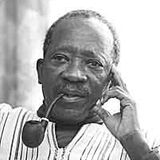
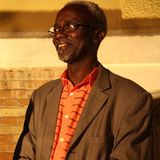
In Yeelen, Cissé uses light and landscape as active parts of the story. Watch how he gives encounters time to develop before the action makes their stakes clear.

Gerima’s Sankofa moves between the present and a historical story that changes how the present is understood. Judge the transitions and the way he places people inside each frame as well as the argument the film makes.

Afolayan often lets the setting provide information before the characters say it. Compare his decisions in a period drama such as Aníkúlápó with the spaces and pace of his wider film work.

Nnaji directs and stars in Lionheart. The film lets you assess how she sets the pace between a family’s private conversations and the public demands of running a transport business.

In Everyone’s Child, Dangarembga places the consequences of adult decisions in the experiences of children. Watch how she assigns time and attention to the different members of the family.

Living in Bondage: Breaking Free gives Nouah a directorial case in supernatural drama. Observe how he introduces the allure of wealth before changing the atmosphere around the characters drawn to it.

Kani directs a screen adaptation of his own play Nothing But the Truth. The film gives viewers the chance to assess how he transfers conflicts that began on stage into the pace and framing of filmed family exchanges.
Touki Bouki makes abrupt changes in sound and image part of the experience of wanting to leave Dakar. Compare those breaks and juxtapositions with the collective behaviour he stages in Hyenas.
In Kaddu Beykat, Faye makes the knowledge of farming and village life audible through the people who hold it. Compare the time she gives those exchanges with the attention to women’s choices in Mossane.
In Timbuktu, Sissako lets familiar acts and ordinary spaces show the pressure of new restrictions. Follow how he moves between separate people and households before their stories converge.
Haroun’s A Screaming Man gives much of its weight to the way a father and son share work and silence. The changes around the swimming pool let you see how he connects an intimate decision with a conflict beyond the frame.
Diop gives returned objects a voice in Dahomey and follows the debate around who should receive them. Compare that choice with the way absence shapes what people and places look like in Atlantics.
Gomis shapes Félicité around a singer improvising her way through Kinshasa after an emergency. Listen to how he lets the music and city sounds tell you what is happening alongside the dialogue.
La Pirogue narrows the space Touré can give each character when a group takes to the sea. The shape and size of the boat make the distance between people part of his direction.
In Cairo Station, Chahine uses the movement of passengers and vendors to keep a sense of routine all around a growing personal crisis. Watch how he places the camera within that crowd.
The Gate of the Sun lets Nasrallah organise history through stories people tell in the present. Judge how he distinguishes periods and viewpoints without making each part feel like a separate film.
Clash confines much of the action to a police van. Observe what Diab lets viewers learn through the gaps in that setting and where he puts the performers when everyone has to share the same space.
Four Daughters brings family testimony and staged scenes into direct contact. Judge how Ben Hania makes the transition between a person describing a memory and someone acting inside it.
Bouzid builds Man of Ashes around what a young man can say in the days before his wedding. The direction gives viewers time to notice which stories the community can accept and which it keeps outside the conversation.
Tlatli’s The Silences of the Palace uses the spaces and sounds of a household to carry its memories. Watch how a young performer’s movement through the palace changes what people will say in front of her.
Halfaouine makes the neighbourhood visible through a boy’s access to particular spaces and conversations. Compare what Boughedir shows through his curiosity with what an adult in the same scene knows.
In Omar Gatlato, Allouache gives routine city life and a personal obsession room in the same film. Watch how the places a character returns to begin to take on more meaning.
Chronicle of the Years of Embers places personal lives within large shifts in colonial Algeria. Judge how Lakhdar-Hamina relates the scale of the landscape and crowds to the space each character gets.
In Days of Glory, Bouchareb gives individual soldiers different relationships to a war they fight together. Compare the shared experiences he stages in battle with the differences he allows to emerge in quieter scenes.
Casablanca Beats lets Ayouch use rehearsals to make relationships between young people and institutions visible. Watch how the voices of the performers alter a space the film returns to.
The Blue Caftan gives Touzani a small workshop in which gestures of craft carry private information. The way she directs the performers’ hands is as telling as the timing of an exchanged look.
In A Thousand Months, Bensaïdi ties a boy’s ordinary duties to a family’s changing circumstances. Watch how he lets the community the child moves through provide context for what is happening at home.
The Sea Is Behind gives Lasri a deliberately stylised visual world. Its framing and use of darkness give viewers a specific way to judge the relation between the characters and the place they inhabit.
In Sofia, Benm’Barek changes the stakes of a private emergency through one negotiation after another. Follow what each character can say in front of family and what comes out only after they leave the room.
In Rafiki, Kahiu gives an intimate friendship and the public life of a neighbourhood sharply different visual spaces. Compare how colour and where people are allowed to gather shape what the audience feels.
In Something Necessary, Kibinge gives two people different ways to live with the consequences of political violence. Watch when she brings them into close view and when she lets the setting explain their choices.
Kati Kati creates a space whose rules have to be learned through encounters. Judge how Masya reveals one part of the place at a time and what he asks performers to show before they understand it themselves.
In Supa Modo, Wainaina puts a girl’s idea of a superhero at the centre of what her village decides to create. The film gives voters a way to assess his direction of a child performer alongside a large ensemble.
In Night of the Kings, Lacôte stages storytelling as an act a young man has to keep alive inside a prison. Look at how the listeners’ movement and responses become part of the story he tells.
The Night of Truth gives Nacro a peace gathering at which public rituals and private grief have to share the same space. Watch how she delays the moment those different experiences come into conflict.
Kaboré tells Wênd Kûuni through listening, memory and a boy learning where he belongs. Judge the care with which he gives each new piece of the past time to emerge.
In Tilaï, Ouédraogo keeps the characters’ decisions close to the consequences of returning home. Compare what remains unsaid in the family’s exchanges with the clarity of the places he stages them.
Sambizanga follows a woman searching for her husband through the streets and offices of Luanda. Maldoror’s choices about where to leave time for the search let an individual story carry the film’s colonial setting.
Mortu Nega moves between the war for independence and what people have to build afterwards. Judge how Gomes changes the movement and sound of the film when those immediate tasks replace the aims of the struggle.
In The Train of Salt and Sugar, Azevedo makes a railway journey a series of decisions about survival and trade. Look at how the train’s confined spaces shape what each character can conceal or discover.
In Por Aqui Tudo Bem, Pascoal studies the decisions two sisters have to make after arriving from Angola in Lisbon. Watch how she gives their routine interactions weight while they wait for information about home.
In Les Saignantes, Bekolo makes the abrupt turns of a futuristic story part of its political satire. The film gives viewers a case for how a director can make shifts in tone feel intentional.
Teno builds Africa, I Will Fleece You from different forms of evidence, including interviews and archival sequences. Notice how the order of those materials lets one scene change how the next should be read.
In Sango Malo, Ba Kobhio puts a teacher’s methods into conversation with authority in a village. Watch how the scenes outside the classroom give the children’s lessons consequences.
In Keïta!, Kouyaté gives the classroom and the griot different ways to teach a boy about the past. Judge how he shapes the transition from a scene of conversation to the story being told.
The Girl in the Yellow Jumper lets Ali control what viewers can know from a story told in fragments. Assess how his framing and timing move the film between a conversation and the events it claims to describe.
The Mercy of the Jungle puts two soldiers in a landscape they struggle to read. Karekezi gives the changing distance between the two men and their surroundings a role in conveying what each knows about the danger.
Grey Matter uses a film project to open up different ways of approaching an aftermath. Watch how Ruhorahoza ties what his characters try to make to what they find difficult to show.
In Viva Riva!, Munga uses a struggle over fuel to move viewers through different parts of Kinshasa. Look at how the conditions for each exchange depend on where it takes place and who can see it.
Le Damier uses a game of checkers to determine how two people talk about power. Bakupa-Kanyinda’s choices about pauses and position around the board give the satire a precise setting.
Saloum lets Herbulot shift a story of armed men on the move into a more unsettling kind of pursuit. Follow how the film’s scenery and editing prepare that shift before the story explains it.
Life Is Rosy makes musical performance part of a man’s efforts to find work and a place in Kinshasa. Assess how co-director Ngangura and his collaborators use the city and the performance to give the comedy its pace.
Hermanus keeps much of Moffie’s tension in how the young recruits are made to stand, move and watch one another. These details give voters a clear point of entry into his direction before a character explains what the training means.
Yesterday puts the time it takes to travel and receive care into the way the film unfolds. Watch how Roodt directs ordinary exchanges so you can see the consequences of each delay.
In Tsotsi, Hood makes the young protagonist’s actions and the city spaces through which he moves matter before his past is revealed. Follow what the director gains by releasing information about the character slowly.
In Catching Feelings, Lediga gives discomfort and humour room to develop within a couple’s life. The timing of his direction gives viewers a place to assess his filmmaking as well as his performance.
Mami Wata gives Obasi an emphatic black-and-white palette and a coastal community whose power struggles are visible in where people gather. Judge how the film uses light and location to clarify competing beliefs.
In Gangs of Lagos, Osiberu ties an adult conflict to the people and streets the characters grew up around. Watch how quickly she establishes old loyalties as the action moves forward.
In Up North, Oshin puts a new assignment and place at the centre of a character’s change in direction. Assess how she lets the setting and other people carry that change rather than relying on exposition alone.
Bandele directs Half of a Yellow Sun around relationships that undergo rapid change as the war closes around them. Give his work with the performers and the way he moves between private and public settings attention.
Saworoide lets Kelani use a musical object and the consequences around it to organise a story about authority. Follow how he puts ritual and popular performance into the movement of the film.
Gyang uses intersecting stories in Confusion Na Wa to show what different people understand about the same events. The timing of the revelations gives viewers a way to judge his direction of the ensemble.
Sinking Sands gives Djansi a family story in which physical surroundings and personal choices change the feeling of safety. Judge how much she conveys through the performance before a conflict is spoken directly.
Love Brewed in the African Pot lets Ansah turn a choice about marriage into a question about which histories a family considers important. The film gives viewers scenes in which to watch how he stages different social expectations.
Me Broni Ba makes the sound and images of a hair salon do part of the film’s thinking. Watch how Owusu arranges repeated actions and differing kinds of footage so one image can change how you read the next.
In The Burial of Kojo, Bazawule lets sound, colour and setting give a girl’s account of her father more than one level. Compare the form of the scenes grounded in family life with the form of those shaped by memory.
Nyoni uses a family gathering in On Becoming a Guinea Fowl to establish who is expected to speak and who is expected to look away. Watch how she brings humour into an encounter without releasing all of its pressure.
In You Will Die at Twenty, Abu Alala uses repeated village encounters to show how a prediction shapes a whole childhood. Assess how the physical surroundings change as the character begins to act on his own.
Homeland puts family and collective memory in the same documentary. Judge how Kalimunda guides the film between what people can remember from experience and what other records allow them to recover.
The Gravedigger’s Wife gives Ahmed a central performance shaped by urgency and care. Watch how he makes each place the character visits carry the practical demands of the journey.
In Difret, Mehari follows how a legal case changes after different people have the chance to describe what happened. Judge how his framing and timing distribute attention between the child, her advocate and the institutions around them.
Lamb gives Zeleke a young character who finds a sense of home in an attachment other people see differently. Look at how the places he enters change which choices are open to him.
In Tabataba, Rajaonarivelo places a village’s daily movement against an uprising that arrives first through other people’s reports. Consider the attention he gives to what can be seen and heard locally.
No entries from this region on this list yet.
About this ranking
Look at what the camera gives you
In Black Girl, Ousmane Sembène changes what viewers can see and hear as a young woman moves between Dakar and her employer’s home in France. In Sambizanga, Sarah Maldoror lets the pace of a woman’s search give viewers time to learn how the colonial city works. Look at where the camera is, who can see what and how long the director allows an ordinary action to continue. Those choices give you something concrete to compare across periods and budgets.
Listen to the way a place comes into the story
Souleymane Cissé’s Yeelen gives light and landscape unusual weight. In Félicité, Alain Gomis lets the singing and the sounds of Kinshasa carry part of the plot. In Night of the Kings, Philippe Lacôte uses the responses of an audience inside a prison to affect the story a young man is telling. Give the director’s choices about sound and space the same attention as dialogue and casting.
Compare a decision across two films
Safi Faye’s Kaddu Beykat and Mossane give you two kinds of encounter with village life. Mati Diop’s Atlantics and Dahomey let you compare how she gives absent people and returned objects a voice. Jade Osiberu’s Gangs of Lagos and Djibril Diop Mambéty’s Touki Bouki ask different things of city rhythms and the movement of their characters. Watch enough of the work to form a view of the decisions you can attribute to the director. Give co-directors and other credited collaborators their share.
The ballot includes African and African-diaspora directors and filmmakers with a substantial documented directing practice in African cinema. It covers features, shorts and documentary. Use the actors ballot to compare a performance as a separate part of the finished film.
Read the argument
Think someone is missing from this list?
Suggest an entry and we'll review it for inclusion.