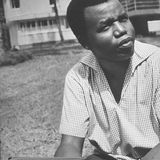
Okonkwo’s status and fear of weakness meet the competing obligations of his own community before colonial authority arrives. Read for the contrast in scale between the community Achebe has shown and the official account contemplated at the end.
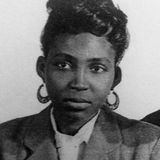
Ramatoulaye writes to a friend after her husband’s death. The letter makes room for grief, disappointment and judgement about marriage and independence without forcing the narrator to reach each conclusion immediately.

Tambu’s opportunity for education changes her position within a Rhodesian family. The novel gives the costs of advancement a particularly close view through her relationship with Nyasha and the expectations both young women face.
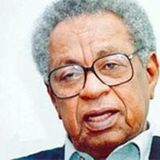
A narrator returning to Sudan encounters Mustafa Sa’eed and is drawn into his account of years in Britain. The two voices complicate how confidently the reader can explain a journey in either direction.

The Biafran War is approached through people whose roles and loyalties shift as ordinary arrangements fall apart. The changes in perspective make the movement between households, work and conflict more important than a single historical overview.

Aburĩria’s rulers seek to build a tower of extraordinary ambition. The political satire grows as a seemingly accidental wizard becomes entangled in their plans. Its length lets different parts of the invented state reveal their own absurdities.

Yusuf’s journey through East Africa begins with his family’s debt and carries him into the world of caravan trade. The novel makes the terms on which a young person can move, belong or choose as consequential as the route itself.

Azaro, a spirit child, moves between everyday neighbourhood life and other orders of experience. Its repetitions and changes of perception make the street feel connected to more than the people immediately visible in it.

A university lecturer loses his position and goes to stay with his daughter. The novel’s restricted perspective makes it worth asking how much of what follows he actually understands and how the reader is positioned by his account.
A drinker’s search for his dead tapster becomes a journey through vividly invented encounters. Tutuola’s English is part of the experience, with syntax and repetition setting the pace of a story indebted to oral storytelling.

Darling’s migration from Zimbabwe to the United States changes the ground under the novel’s observations. Childhood speech, shifts in location and the distance from earlier friends let the book show more than a simple before-and-after account.

Firdaus tells her story from prison before an execution. The framing gives her account a narrow window in which to make choices and coercion legible on terms different from those of the institutions speaking about her.
A railway clerk’s efforts to resist bribery give post-independence disillusion a specific setting. The book’s deliberately insistent physical imagery turns the cost of compromise into something the reader encounters on an ordinary workday.
A murder inquiry draws several lives into an account of a Kenyan community being changed by development, land and political power. The changing chronology allows the reader to revise what apparently individual choices mean.

A family in Addis Ababa faces the changing demands of the Ethiopian Revolution. The book’s account of a doctor, his household and people around them lets conflicting obligations play out on a scale the characters can actually recognise.