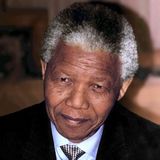
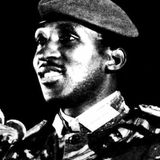
President (1983–1987). Thomas Sankara sought to build an independent African development model grounded in self-reliance, public service and social equality. His government organised vaccination campaigns, promoted local food production and tree planting, challenged practices harmful to women and renamed Upper Volta as Burkina Faso. His personal austerity and criticism of foreign debt continue to resonate with advocates of African sovereignty. Revolutionary tribunals, restrictions on unions and political repression complicate the record of his short presidency.
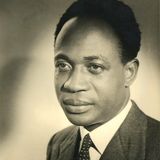
President (1960–1966). Kwame Nkrumah led Ghana to independence as prime minister in 1957 and became its first president in 1960. He championed African political unity, supported liberation movements elsewhere on the continent and helped establish the Organisation of African Unity. His government invested heavily in education, industry and the Akosombo Dam. However, mounting economic pressures, preventive detention and the establishment of a one-party state weakened his domestic legacy. His vision of an Africa capable of determining its own future remains influential.
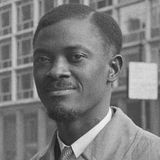
First Prime Minister (June–September 1960 (dismissal contested)). Patrice Lumumba helped lead the Congo to independence from Belgium in 1960 and called for a united country with control over its own political and economic future. His independence-day address confronted the violence and humiliation of colonial rule, while his government faced military unrest, Belgian intervention and the secession of mineral-rich Katanga. He sought assistance from the United Nations and subsequently the Soviet Union, deepening tensions during the Cold War. His dismissal and assassination in January 1961 left little opportunity to implement a lasting development programme, but his struggle for sovereignty made him an enduring figure in African liberation history.
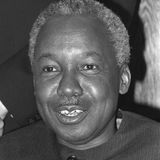
President (1962–1985 (Tanganyika, then united Tanzania from 1964)). Known as Mwalimu, Julius Nyerere helped unite Tanganyika and Zanzibar and fostered a national identity that transcended many ethnic and regional divisions. His emphasis on Kiswahili, literacy and rural development helped shape Tanzania, while the country became a base for Southern African liberation movements. His Ujamaa programme, however, included coercive villagisation and produced disappointing economic results, and political life was restricted under one-party rule. His personal integrity, commitment to African solidarity and voluntary departure from office remain central to his legacy.
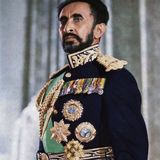
Emperor (1930–1974 (in exile during the Italian occupation, 1936–1941)). Haile Selassie became an international symbol of African sovereignty when he appealed to the League of Nations following Italy's invasion of Ethiopia. After returning from exile, he pursued the expansion of education, public institutions and Ethiopia's diplomatic influence. He played an important role in establishing the Organisation of African Unity in 1963, with Addis Ababa becoming its headquarters. His reign also maintained concentrated imperial authority, persistent rural inequality and limited political participation. The government's inadequate response to the famine of the early 1970s contributed to the unrest that ended his rule in 1974.
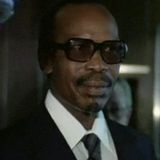
President (1966–1980). Seretse Khama led Botswana from independence as one of the world's poorest countries and helped establish a comparatively stable multiparty system. His government pursued prudent management of diamond revenues, negotiated mining partnerships and invested in public services and infrastructure. He also supported regional liberation efforts despite Botswana's vulnerable position beside white-minority regimes. Mineral dependence and inequality remained challenges, but his administration laid foundations for sustained development and institutional continuity.
First Prime Minister; later Governor-General (1968–1982 (Prime Minister); 1983–1985 (Governor-General)). Seewoosagur Ramgoolam helped negotiate Mauritius's independence from Britain in 1968 and became the country's first prime minister. His administration worked to reconcile a diverse society, maintain parliamentary government and expand social provision, including free secondary education in 1977. Early efforts to diversify the economy beyond sugar helped lay the foundations for subsequent development. His record also includes the declaration of a state of emergency and delayed elections in the 1970s, while Britain's separation of the Chagos Archipelago before independence left a lasting sovereignty dispute. He left the premiership after his coalition's electoral defeat in 1982.
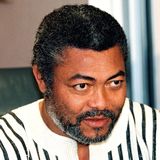
President (1993–2001 (military ruler in 1979 and 1981–1993)). Jerry Rawlings rose to power promising accountability and an end to corruption. His later administration oversaw economic reforms, a return to multiparty constitutional government and Ghana's peaceful transfer of power in 2001. His appeal drew partly from his emphasis on public discipline and ordinary citizens' concerns. Executions, arbitrary detention and other abuses associated with his military years, together with the social costs of economic adjustment, remain serious aspects of his legacy.
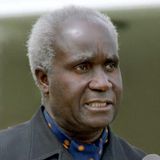
President (1964–1991). Kenneth Kaunda became Zambia's first president and promoted national unity under the ideal of One Zambia, One Nation. His country provided sanctuary and practical support to liberation movements in Southern Africa despite significant economic and security costs. His government expanded education and healthcare, but dependence on copper, debt and one-party rule contributed to serious difficulties. Kaunda accepted electoral defeat in 1991, allowing a peaceful transition to multiparty government.
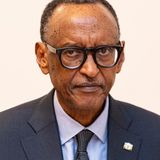
President (Began in 2000). Paul Kagame's presidency has been associated with Rwanda's reconstruction after the 1994 genocide against the Tutsi, improvements in public administration, health services and infrastructure, and the expansion of women's representation in national institutions. Rwanda's development experience has attracted attention across Africa. At the same time, restrictions on opposition, independent media and civil liberties, alongside allegations concerning Rwanda's role in conflicts in eastern DR Congo, are major points of criticism. His record raises important questions about the relationship between development, security and political freedom.
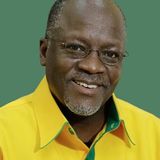
President (2015–2021). John Magufuli, popularly known as the Bulldozer, became associated with efforts to curb government waste, strengthen tax collection and accelerate major infrastructure projects. His administration expanded fee-free basic education and pursued rail, energy and transport investment while emphasising national control over natural resources. Restrictions on political opposition and the media, as well as his government's approach to COVID-19, drew substantial criticism. His reputation for personal discipline and his contested governing methods both shape his legacy.
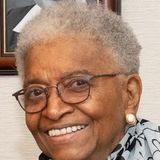
President (2006–2018). Ellen Johnson Sirleaf became Africa's first elected female head of state and inherited a country devastated by civil war. Her administration rebuilt public institutions, secured major international debt relief and worked to restore basic services and national stability. She jointly received the 2011 Nobel Peace Prize and later the Ibrahim Prize for African Leadership. Corruption, youth unemployment and the strain of the Ebola epidemic exposed continuing weaknesses, but her peaceful handover of power marked an important milestone in Liberia's democratic recovery.
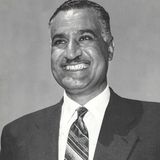
President (1956–1970). Gamal Abdel Nasser made Egypt a major centre of anti-colonial politics and non-alignment. His nationalisation of the Suez Canal in 1956 asserted Egyptian sovereignty over a strategic national asset, while land reform, industrial development and the Aswan High Dam reshaped the country. Egypt under Nasser also supported African liberation causes and helped found the Organisation of African Unity. His authoritarian political system and the military defeat of 1967 remain major limitations of an otherwise far-reaching legacy.
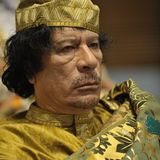
Revolutionary head of state and de facto national leader (1969–2011). Muammar Gaddafi came to power after the overthrow of Libya's monarchy in 1969 and used the country's oil wealth to expand public services, subsidise basic necessities and fund infrastructure, including the Great Man-Made River water project. His foreign policy increasingly focused on African integration, and he became a prominent advocate of the transformation of the Organisation of African Unity into the African Union. His government also severely restricted political opposition and independent media, imprisoned dissidents and supported armed movements abroad. The benefits of oil-funded development, his Pan-African ambitions and the repression of his long rule are all important to understanding his contested legacy.
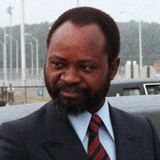
President (1975–1986). Samora Machel led FRELIMO during the struggle against Portuguese colonial rule and became independent Mozambique's first president. His government expanded access to education and healthcare and supported liberation movements in neighbouring countries. He pursued social transformation in the face of a devastating civil war and external destabilisation by white-minority regimes. One-party government, coercive policies and economic difficulties complicated his ambitions, but his commitment to national liberation and African solidarity remains significant.
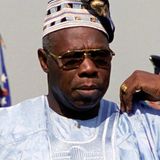
President (1999–2007 (military head of state, 1976–1979)). Olusegun Obasanjo handed power to a civilian government in 1979 and returned as elected president in 1999, at the start of Nigeria's Fourth Republic. His civilian administration secured major debt relief, introduced economic and telecommunications reforms and established anti-corruption institutions. He also played a prominent role in regional diplomacy and African Union initiatives. Persistent corruption, human rights abuses during security operations and controversy over a possible third term limit his record, although his contribution to Nigeria's return to civilian government was substantial.
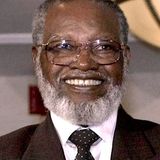
President (1990–2005). Sam Nujoma led SWAPO during Namibia's independence struggle and became the country's first president in 1990. His administration established a functioning independent state, preserved constitutional government and invested in education and public services. His policy of national reconciliation sought to manage the divisions inherited from colonialism and apartheid. A constitutional amendment allowing him a third term, intolerance of some critics and continuing economic inequality complicate his record as a founding president.
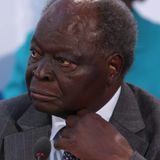
President (2002–2013). Mwai Kibaki presided over an era of economic expansion, road construction, telecommunications growth and free primary education. Kenya's 2010 constitution, adopted during his second term following a negotiated coalition arrangement, introduced devolution and stronger constitutional safeguards. His presidency was also scarred by the disputed 2007 election and the violence that followed, alongside unresolved corruption scandals. His legacy combines important development and institutional reforms with serious failures of political accountability.
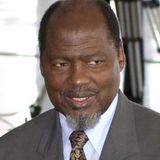
President (1986–2005). Joaquim Chissano helped Mozambique emerge from civil war through the 1992 peace agreement with RENAMO and the country's transition to multiparty elections. His administration pursued economic reforms and reconstruction after years of destruction. He chose not to seek another term and received the inaugural Ibrahim Prize for African Leadership in 2007. Despite persistent poverty and inequalities, his contribution to peace and a more stable political order stands out in Mozambique's modern history.
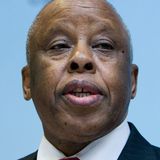
President (1998–2008). Festus Mogae maintained Botswana's tradition of fiscal discipline and constitutional government while confronting one of the world's most severe HIV/AIDS epidemics. His administration introduced a public antiretroviral treatment programme and worked to improve access to care. Botswana retained its reputation for comparatively strong institutions, although unemployment, inequality and dependence on diamond mining persisted. Mogae stepped down after his constitutional tenure and received the Ibrahim Prize in 2008.
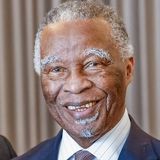
President (1999–2008). Thabo Mbeki placed the African Renaissance at the centre of his political vision, contributing to the creation of the African Union, NEPAD and continental efforts at conflict mediation. South Africa expanded social grants and experienced economic growth during much of his administration. However, his government's resistance to established HIV/AIDS science delayed life-saving treatment, and unemployment and inequality remained severe. His continental diplomacy is an important achievement, but his public health failures cannot be separated from his presidential record.
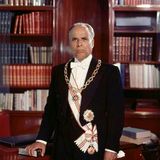
President (1957–1987). Habib Bourguiba helped secure Tunisian independence and became the republic's first president. His government prioritised education, healthcare and legal reform, notably the Code of Personal Status, which prohibited polygamy and strengthened women's legal rights. These policies shaped Tunisia's social development over several decades. His increasingly authoritarian rule, suppression of opposition and declaration as president for life stand in contrast to his achievements in modernising the state.
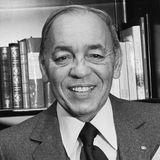
King (1961–1999). Hassan II guided Morocco through much of its post-independence state-building period, overseeing the adoption of its first constitution in 1962 and pursuing diplomatic influence in Africa, the Arab world and beyond. His reign included investment in dams and irrigation, reflecting the importance of water security and agriculture to Morocco's development. He also presided over Morocco's assertion of control over much of Western Sahara, a dispute that remains unresolved. Political imprisonment, enforced disappearances and torture during the period known as the Years of Lead, alongside limited political competition, are central to assessments of his long reign.
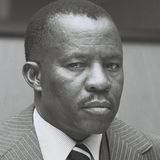
President (1980–1998). Quett Masire consolidated Botswana's democratic institutions and continued the careful management of mineral revenues established under Seretse Khama. His government invested in infrastructure and public services while maintaining a relatively stable constitutional order. After leaving office voluntarily in 1998, he contributed to African peace and mediation initiatives, including in DR Congo. Unemployment and inequality remained serious challenges, but his record illustrates the importance of institutional continuity beyond a founding leader.
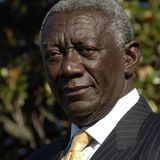
President (2001–2009). John Kufuor assumed office after Ghana's historic peaceful electoral transfer of power in 2001. His government introduced the National Health Insurance Scheme, expanded school access and secured debt relief while pursuing economic growth. As African Union chairperson, he was also involved in regional diplomacy. Corruption concerns and uneven development persisted, but his acceptance of constitutional limits and the peaceful transition to an opposing party in 2009 strengthened Ghana's democratic reputation.
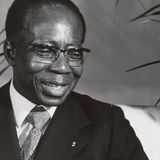
President (1960–1980). Léopold Sédar Senghor combined political leadership with a major intellectual contribution to African identity through the Négritude movement. As Senegal's first president, he invested in culture and education and gradually opened political space to limited multiparty competition. He voluntarily resigned in 1980, establishing an important precedent for succession. His close relationship with France and restrictions on political rivals remain subjects of debate, especially among advocates of a more radical break with colonial structures.
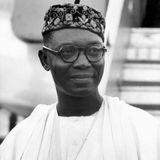
President (1963–1966). Nnamdi Azikiwe, widely known as Zik, was a prominent nationalist journalist, Pan-African thinker and leader of Nigeria's independence movement. He served as governor-general before becoming Nigeria's first president when the country became a republic in 1963. His presidency was largely ceremonial, with executive authority held by Prime Minister Abubakar Tafawa Balewa. His advocacy of national unity and African dignity gives him an important place in presidential history, even though the political system of the First Republic collapsed in 1966.
President (1963–1965). Ahmed Ben Bella was a leading figure in Algeria's struggle against French colonial rule and became the republic's first president. His government pursued land redistribution, worker-managed enterprises and socialist development while supporting anti-colonial movements internationally. Algeria emerged as an influential voice for newly independent nations. Economic disruption, concentration of political power and his removal in a 1965 coup limited his ability to consolidate those ambitions.
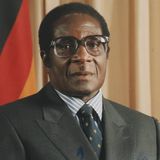
President (1987–2017 (prime minister, 1980–1987)). Robert Mugabe helped lead Zimbabwe's liberation struggle and initially presided over major improvements in education and healthcare as prime minister. He became executive president in 1987 and made the redistribution of colonial-era land ownership a central political issue. His legacy is profoundly contested: the Gukurahundi atrocities, violent political repression, controversial land seizures and severe economic collapse inflicted lasting harm. His role in liberation and debates about African sovereignty explain his place among nominees, not an endorsement of his lengthy rule.
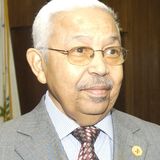
President (2001–2011 (prime minister, 1975–1991)). Pedro Pires participated in the liberation struggle led by the PAIGC and served as Cabo Verde's first prime minister before later becoming president. His presidency was associated with democratic stability, improving governance and the country's graduation from the UN least-developed-country category in 2007. He respected constitutional limits and received the Ibrahim Prize in 2011. Cabo Verde's dependence on imports, tourism and external income remained challenges for its small island economy.
President (1960–1967). Aden Abdulle Osman, also known as Aden Adde, became the first president of the Somali Republic following the union of the former British and Italian territories in 1960. His administration operated within a parliamentary system and sought to build a common national identity. After losing the presidency in 1967, he accepted the result and transferred power peacefully, an exceptional precedent in early post-independence Africa. Regional disputes and fragile institutions remained unresolved, but his respect for democratic succession deserves lasting recognition.
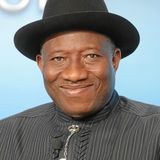
President (2010–2015). Goodluck Jonathan oversaw investment in education, reforms in agriculture and efforts to restructure Nigeria's electricity sector. His most consequential democratic act came in 2015, when he conceded defeat to Muhammadu Buhari, enabling Nigeria's first peaceful presidential transfer to an opposition party. His administration faced major criticism over corruption and its response to the Boko Haram insurgency, including the Chibok schoolgirls' abduction. His willingness to relinquish power remains an important contribution to constitutional democracy.
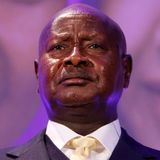
President (Began in 1986). Yoweri Museveni took power after years of conflict and presided over the restoration of stability in much of Uganda, economic recovery and the expansion of primary education. Uganda's early HIV/AIDS response attracted international attention, and his government played a significant role in regional security affairs. However, the removal of constitutional presidential term and age limits, restrictions on opposition, election-related repression and prolonged rule have raised serious concerns about democratic succession. His record encompasses both substantial post-war reconstruction and deepening political controversy.
President (2005–2015). Jakaya Kikwete's presidency saw sustained economic expansion, investment in roads and electricity, and wider access to secondary education and public health programmes. As African Union chairperson in 2008, he also contributed to continental diplomacy. Corruption scandals, electricity shortages and continuing poverty demonstrated the limits of economic growth, but his departure after two constitutional terms reinforced Tanzania's tradition of presidential succession.
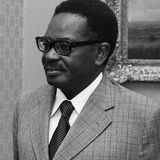
President (1975–1979). Agostinho Neto was a poet, doctor and liberation leader who became Angola's first president following independence from Portugal in 1975. His MPLA government defended the new state amid civil war and foreign intervention and supported liberation movements in the region. His administration also promoted literacy and access to social services. One-party rule and the violent repression that followed the events of May 1977 are grave elements of his record, while the civil war prevented much of his development agenda from being realised.
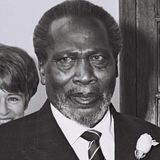
President (1964–1978 (prime minister, 1963–1964)). Jomo Kenyatta was a central figure in Kenya's nationalist movement and became the country's first president after independence. His administration expanded education, encouraged investment and pursued economic growth through a mixed economy. He helped establish the institutions of the independent Kenyan state. At the same time, land distribution favoured sections of the political elite, ethnic patronage grew and political dissent was restricted. His founding role remains significant, alongside enduring debates over inequality and the distribution of independence-era opportunities.
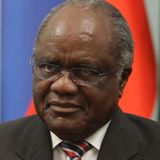
President (2005–2015). Hifikepunye Pohamba built on Namibia's post-independence institutions and prioritised public services, development and political stability. He maintained constitutional succession and retired after two terms, receiving the Ibrahim Prize for 2014. His quiet leadership style contrasted with that of many more prominent continental leaders. Namibia continued to face substantial unemployment, land inequality and poverty, but his commitment to institutional continuity and peaceful transfer of authority merits recognition.
President (2002–2008). Levy Mwanawasa pursued a prominent anti-corruption campaign, including investigations into the conduct of former president Frederick Chiluba's administration. Zambia benefited from debt relief and a period of economic growth supported by mining and improved macroeconomic management. He also publicly criticised Zimbabwe's political crisis at a time when many regional leaders were reluctant to do so. Poverty and dependence on copper remained major obstacles, but his emphasis on accountability distinguished his presidency.
President (1992–2002). Alpha Oumar Konaré became Mali's first president under its post-1991 democratic constitution. A historian and former education minister, he supported decentralisation, pluralist politics and efforts to resolve rebellion in the north. He respected the two-term limit and later chaired the African Union Commission, advancing continental integration. Mali remained economically vulnerable and its institutions faced persistent weaknesses, but his presidency represented an important period of democratic opening.
President (2007–2010). Umaru Musa Yar'Adua publicly acknowledged flaws in the election that brought him to office and promised greater respect for the rule of law. He introduced an amnesty programme in 2009 that helped reduce armed conflict in the Niger Delta and pursued electoral reform. His administration was curtailed by serious illness and his death in office, leaving many plans unfinished. The constitutional uncertainty surrounding his prolonged absence also exposed weaknesses in Nigeria's system of succession.
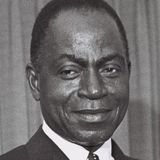
President (1960–1993). Félix Houphouët-Boigny presided over decades of independence-era economic expansion, supported largely by cocoa, coffee, foreign investment and agricultural development. Côte d'Ivoire became an important regional economic centre during his rule. His approach retained close ties with France, making his interpretation of African sovereignty controversial among Pan-Africanists. Long-standing one-party dominance and the economic crisis that followed declining commodity prices revealed the limits of the development model he established.
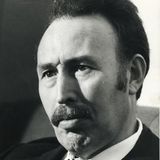
President (1976–1978 (chairman of the Revolutionary Council, 1965–1976)). Houari Boumédiène pursued state-led industrialisation and economic sovereignty, including the nationalisation of Algeria's hydrocarbon sector in 1971. His government supported liberation movements and advocated a fairer international economic order through the Non-Aligned Movement. Algeria gained a significant diplomatic role among developing nations. The political system remained authoritarian, and heavy industrial investment did not resolve all of the country's employment and economic diversification problems.
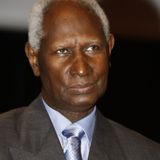
President (1981–2000). Abdou Diouf succeeded Senghor and further expanded Senegal's multiparty political system. His decision to accept defeat in the 2000 presidential election enabled the country's first transfer of power to an opposition party. His government confronted economic adjustment, unemployment and the Casamance conflict, and its lengthy tenure was not free from electoral controversy. Diouf's eventual respect for the electoral result made his presidency an important example of democratic succession in West Africa.
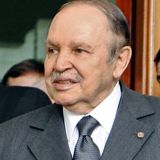
President (1999–2019). Abdelaziz Bouteflika helped bring Algeria's devastating civil conflict to an end through reconciliation and amnesty initiatives, restoring a measure of stability and rebuilding the country's diplomatic standing. Oil and gas revenues supported infrastructure and public spending. Yet his reconciliation policies left many victims without justice, while prolonged rule, corruption and restrictions on political competition undermined his legacy. His attempt to seek a fifth term triggered mass protests that led to his resignation in 2019.
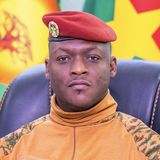
President (Began in 2022 (transitional president; President of Faso under the revised 2024 charter)). Ibrahim Traoré came to power through a military coup in 2022 and has placed sovereignty, domestic production and a break with established foreign security partnerships at the centre of his political programme. His message has attracted attention among advocates of African self-determination. However, his presidency remains a developing record: Burkina Faso faces a severe security crisis, political parties were dissolved in 2026, and human rights organisations have documented abuses by state-aligned forces. His long-term contribution must be judged against verifiable improvements in security, livelihoods and rights rather than promises or popularity alone.
President (1995–2005). Benjamin Mkapa became president after Tanzania's first multiparty general election of the post-one-party era. His administration pursued macroeconomic reforms, debt relief and measures to strengthen revenue collection, helping stabilise public finances. After office, he contributed to regional mediation and diplomacy. Privatisation, the distribution of economic gains and violence surrounding elections in Zanzibar remain important criticisms of his tenure.
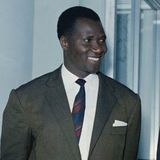
President (1958–1984). Ahmed Sékou Touré led Guinea in rejecting continued membership of the French Community in 1958, making it the first of France's sub-Saharan African colonies to choose immediate independence in that referendum. He supported African liberation and offered refuge to Kwame Nkrumah after Ghana's 1966 coup. His radical commitment to sovereignty contrasted sharply with the authoritarian system he established at home, where imprisonment, torture and deaths at Camp Boiro became symbols of repression. Both aspects are essential to understanding his legacy.
President (2015–2024). Hage Geingob helped guide the drafting of Namibia's independence constitution before serving as prime minister and later president. His administration promoted the Harambee Prosperity Plan, emphasising inclusive growth, public service delivery and poverty reduction. Namibia retained its constitutional institutions, but unemployment, inequality and the Fishrot corruption scandal exposed significant weaknesses in governance. His contributions to constitution-making and national reconciliation remain important parts of his public legacy.
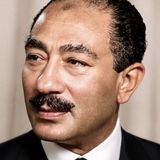
President (1970–1981). Anwar Sadat reshaped Egypt's foreign policy and pursued the recovery of the Sinai Peninsula through war and subsequent diplomacy. The Camp David Accords and the 1979 peace treaty with Israel transformed the country's regional position. His economic opening encouraged private investment but also contributed to social tensions, while his government's relationship with political opponents became increasingly repressive. Sadat remains a consequential and contested figure in North African political history.
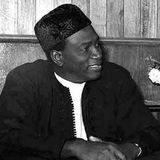
President (1960–1968). Modibo Keïta was a founding leader of independent Mali and an advocate of Pan-African unity, including the brief Mali Federation with Senegal. His government promoted state-led development, education and economic independence from former colonial structures. He helped advance continental cooperation during the early years of the Organisation of African Unity. Economic shortages, political repression and a one-party system weakened his administration before his overthrow in 1968.
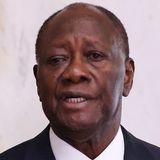
President (Began in 2010 (assumed effective control in 2011)). Alassane Ouattara took office following a disputed election and a violent post-election crisis. His administration oversaw rapid economic recovery, investment in transport and energy infrastructure and Côte d'Ivoire's renewed position as a major West African economy. However, the uneven distribution of prosperity, unresolved questions of accountability for past violence and controversy over his extended tenure have complicated his development record.
President (1960–1965). Joseph Kasa-Vubu became the first president of independent Congo in 1960, inheriting a state destabilised by colonial withdrawal, army mutiny and secessionist conflicts. His presidency was defined by efforts to preserve political authority amid competing domestic and international pressures. His dismissal of Prime Minister Patrice Lumumba contributed to a constitutional crisis that continues to provoke debate. He is a central figure in the country's founding history, although his ability to achieve lasting stability and institutional development was limited.
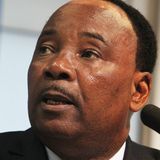
President (2011–2021). Mahamadou Issoufou served two constitutional terms during a difficult period marked by insecurity in the Sahel, poverty and pressures on state institutions. His government pursued infrastructure and food security programmes and participated in regional efforts to address security threats. His decision to leave office in 2021 enabled Niger's first transfer of power between elected presidents and earned him the Ibrahim Prize. Restrictions affecting opposition and civil society, together with unresolved poverty and insecurity, temper his achievements.
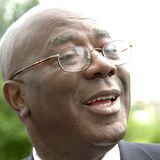
President (1996–1997 and 1998–2007). Ahmad Tejan Kabbah was elected during Sierra Leone's devastating civil war, removed by a coup and subsequently restored to office with regional assistance. His government worked with West African partners, the United Nations and others to end the conflict and rebuild state institutions. Peace was formally declared in 2002, and he later handed power to an opposition successor following elections in 2007. Reconstruction remained incomplete, but the restoration of peace and civilian government was an exceptional achievement under difficult circumstances.
President (2002–2012 (transitional head of state, 1991–1992)). Amadou Toumani Touré helped oversee Mali's transition to civilian government after the overthrow of Moussa Traoré in 1991, relinquishing power following elections in 1992. He returned as elected president a decade later, pursuing infrastructure, health and education programmes through a consensus-based political style. His administration struggled to address corruption, insecurity and rebellion in northern Mali, and he was removed in a coup in 2012. His early role in restoring civilian rule remains a significant contribution.
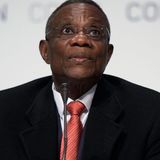
President (2009–2012). John Atta Mills was known for his conciliatory political style and emphasis on constitutional government. During his presidency Ghana began commercial oil production, maintained democratic competition and adopted measures governing petroleum revenue. His administration prioritised economic management and public services, although corruption allegations and the distribution of new economic opportunities remained contested. His death in office in 2012 cut short his presidency, and the constitutional transfer of authority to his vice-president demonstrated the strength of Ghana's institutions.
President (1977–2004). France-Albert René transformed Seychelles into a country with extensive public education, healthcare and social welfare programmes. His government promoted development in a small island economy with limited natural resources. However, he came to power through a coup and governed for years under a one-party system marked by repression and allegations of disappearances and political killings. The country's social development must be considered alongside the serious human rights costs of his rule.
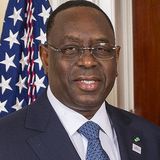
President (2012–2024). Macky Sall's Emerging Senegal Plan supported infrastructure investment, transport modernisation and energy development, while his administration expanded social protection programmes. His government also presided over preparations for major oil and gas projects. Political tensions, restrictions on opponents and the attempted postponement of the 2024 presidential election seriously damaged his democratic record. He ultimately left office after the election, which returned an opposition candidate to power.
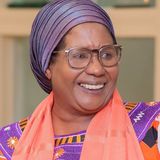
President (2012–2014). Joyce Banda became Malawi's first female president after the death of Bingu wa Mutharika. Her administration sought to repair relations with development partners, stabilise the economy and improve maternal health and opportunities for women. Currency devaluation brought economic hardship, and the Cashgate corruption scandal severely damaged her government's credibility. Despite a short tenure, her rise to office through constitutional succession and focus on women's participation make her a notable figure in African presidential history.
President (1972–1991 and 1996–2006). Mathieu Kérékou ruled Benin initially through a Marxist-Leninist one-party government that experienced severe economic difficulties and political repression. The national conference of 1990 led to a transition to multiparty democracy, and he accepted defeat in the 1991 election. He returned through elections in 1996 and later respected the constitutional restrictions that prevented him from seeking another term. His legacy is notable for the transformation from military authoritarianism to participation in a competitive political system.
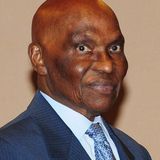
President (2000–2012). Abdoulaye Wade became president after decades in opposition, bringing Senegal its first electoral change of ruling party. His government pursued transport and urban infrastructure development, expanded educational provision and contributed to the formation of NEPAD. However, allegations of corruption, expensive prestige projects and his controversial pursuit of a third term undermined his reform credentials. He accepted electoral defeat in 2012, allowing another peaceful transfer of power.
President (1994–2004). Bakili Muluzi became Malawi's first president elected under the multiparty system, ending Hastings Banda's long one-party rule. His government introduced free primary education and expanded political freedoms. Economic hardship, corruption allegations and his unsuccessful attempt to secure an additional presidential term weakened his reform record. Nevertheless, his election and eventual departure after two terms were important milestones in Malawi's transition away from authoritarian rule.
President (1975–1991). Aristides Pereira was a leader of the PAIGC liberation movement and became the first president of independent Cabo Verde. His government worked to establish public institutions and provide essential services in a drought-prone island country with few natural resources. Although he governed within a one-party system for most of his tenure, he accepted the transition to multiparty politics and left office after losing the 1991 presidential election. His role in laying the foundations of the young republic remains significant.
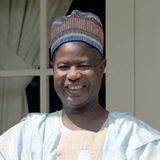
President (1960–1982). Ahmadou Ahidjo became the first president of independent Cameroon and oversaw the reunification of French Cameroun with the former British Southern Cameroons in 1961. His government pursued agricultural and infrastructure development and established a centralised state. His rule also involved severe repression, particularly of opposition and nationalist movements, and the replacement of the federal system in 1972 created lasting grievances. His voluntary resignation in 1982 was unusual among his contemporaries, although his broader political legacy remains contested.
President (1991–1996). Nicéphore Soglo became Benin's first elected president following the national conference that ended the country's one-party system. His administration worked to restore public finances and government services after economic collapse, while operating within the new democratic constitution. Structural adjustment and associated hardship generated opposition to his government. His acceptance of electoral defeat in 1996 reinforced Benin's emerging tradition of peaceful political competition.
President (1991–2001). Miguel Trovoada became the first president elected after São Tomé and Príncipe's transition to multiparty politics. He served through a difficult period of economic constraints and political disputes, including a brief military coup in 1995 that was reversed. His departure after two terms helped consolidate constitutional succession in the small island republic. Economic vulnerability and institutional tensions persisted, but the country's survival as a competitive political system was an important achievement.
No entries from this region on this list yet.
About this ranking
Presidents and national leaders
From independence-era statesmen and monarchs to prime ministers and modern presidents, these figures have shaped the continent's history and the lives of generations. Consider their contributions to African sovereignty, national unity, economic development, education, healthcare, peace, democracy and the everyday lives of their people. A leader's legacy includes both achievements and failures. Vote for the leaders whose contributions you believe have made the greatest difference.
This ballot includes presidents, prime ministers and monarchs. Office and tenure are identified in the entry notes; holding one of these roles does not mean a leader was president. Compare the powers exercised, the conditions inherited and the record left behind.
Judging a presidency
This is a reader ranking of presidential leadership, not a declaration that any candidate governed without serious failures. A good comparison asks what changed under the government, who benefited, what power the office actually held, and what institutions remained when the leader left. Independence, national unity, public services and democratic succession offer different cases for inclusion.
Different starting points
Nelson Mandela's one-term presidency after apartheid differs from the independence-era governments of Seretse Khama, Julius Nyerere, Kwame Nkrumah and Kenneth Kaunda. Each inherited a different state and political settlement. A leader should not receive credit for every later national success, or blame for every condition that preceded the presidency. The notes identify tenures and the main areas of comparison without pretending that context settles the vote.
Joaquim Chissano's presidency in Mozambique spans the end of a civil war. Ellen Johnson Sirleaf governed Liberia after civil war and during the Ebola emergency. Festus Mogae's record in Botswana includes the response to HIV/AIDS. These are substantial governing questions, not simply tests of who delivered the most memorable speech or became best known abroad.
Institutions matter alongside personal leadership
A peaceful handover, an effective public institution or a policy that outlives its sponsor may be less spectacular than a personal legend. Ask whether the government widened the space for political participation and whether its achievements depended on keeping one individual in office. Longevity is not automatically evidence of effectiveness. A short presidency can also leave promises untested.
The political role varies between countries. Pedro Pires's presidency in Cabo Verde should be considered within its constitutional system, rather than measured as though every president personally exercised the same powers. Cultural stature and political leadership likewise require separate assessment in the case of Léopold Sédar Senghor.
Cast a considered vote
Use the entry notes as starting points for reading the records. The ranking is an opinion poll and does not certify a government as democratic, successful or free of abuse. Readers who want a different comparison can use the worst presidents and heads of state ballot or the women presidents ballot. Neither a place on this page nor an opening position replaces a reasoned assessment of the presidency.
Think someone is missing from this list?
Suggest an entry and we'll review it for inclusion.