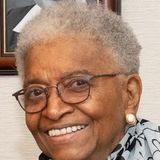
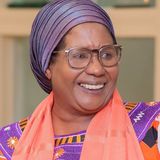
Banda became president of Malawi in 2012 after serving as vice-president. Her accession followed the death of President Bingu wa Mutharika. Consider the constitutional transition and the record of her administration as distinct questions.
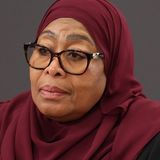
Hassan became president of Tanzania in 2021 after serving as vice-president. She succeeded John Magufuli following his death. Her route to office differs from winning a first presidential election directly; the distinction helps readers compare the entries fairly.
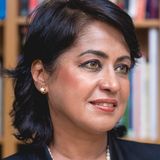
Gurib-Fakim served as president of Mauritius from 2015 to 2018. Mauritius has a parliamentary system, so the presidency differs from the executive offices held by several other candidates. Compare her own responsibilities rather than attributing the prime minister’s powers to her.
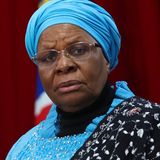
Nandi-Ndaitwah became Namibia’s first woman president in 2025, after serving as vice-president and foreign minister. Her earlier public service provides background, while assessment of the presidency should focus on the presidential record itself.
No entries from this region on this list yet.
About this ranking
The office matters as much as the milestone
This ballot compares women who have held a presidency in an African country. It is a reviewed selection, not a claim to be an exhaustive register of every acting, transitional or elected head of state. The notes distinguish how each candidate reached office and what kind of presidency she held. A milestone is historically significant, but it does not by itself answer questions about governing performance.
Election and constitutional succession
Ellen Johnson Sirleaf took office in Liberia in 2006 after election. Joyce Banda became Malawi's president in 2012 after serving as vice-president, following Bingu wa Mutharika's death. Samia Suluhu Hassan similarly succeeded John Magufuli in Tanzania in 2021. These are different paths into the same broad office, and a comparison should make the difference visible.
Netumbo Nandi-Ndaitwah became Namibia's first woman president in 2025, following earlier service as vice-president and foreign minister. Those earlier roles provide context, but they should not be confused with the record established while holding the presidency. Readers can value a breakthrough while continuing to judge the decisions made after it.
Presidential powers are not uniform
Ameenah Gurib-Fakim held the presidency in Mauritius from 2015 to 2018. Mauritius's parliamentary system gives the office a different role from an executive presidency. It would be misleading to score her as though she personally exercised every power held by the heads of government elsewhere on the ballot. Compare responsibilities and constraints before comparing outcomes.
The same care applies when considering institutions, public services, crisis responses and succession. A president does not govern alone. Cabinet, parliament, courts, civil servants and the broader political settlement affect what the office can achieve. None of that removes individual responsibility; it gives a reader a more useful way to assess it.
Significance and approval are separate judgements
Vote for the presidency you consider most significant, with attention to its decisions and lasting effects. The page is not a gender-based endorsement of any government. The overall presidents ballot asks a broader question about the strongest record, while the heads-of-state comparison considers negative judgements through documented sources. Suggest additional eligible presidents with a source and a clear explanation of the office held.
Think someone is missing from this list?
Suggest an entry and we'll review it for inclusion.