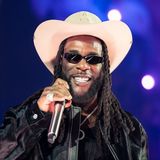
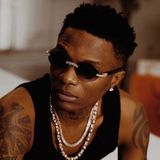
Start with Made in Lagos and hear how little Wizkid needs to raise his voice to make a refrain feel distinct from the verse.

On A Good Time, compare how Davido announces a hook outright on one track and works up to it in stages on another.

Rave & Roses lets you follow a short melody through changes in the bass and percussion. Listen for the moments Rema keeps his own timing through those changes.

On Love Me JeJe the lead sounds close and unhurried. The voices around it gradually give a quiet line the weight of a chorus.

On 19 & Dangerous, Ayra Starr uses shifts between speech-like accents and longer notes to set apart the different moods of the record.

Working across Mr. Money With The Vibe, trace the point at which Asake gives a line to the backing voices and the song lifts with it.

Baddest Guy Ever Liveth shows how Olamide can turn a rap cadence into a phrase that listeners can repeat back almost immediately.

Dangerous Love on Celia is a place to hear Tiwa Savage carry tension through a soft vocal and release it without crowding the backing track.

African Queen gives 2Baba room to lengthen a line against a moving rhythm. The patience of that delivery helps the hook stay with you.

On Laughter, Tears & Goosebumps, follow Fireboy DML from the close delivery of a verse to the wider melody that gives the choruses their lift.
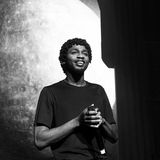
Boy Alone makes room for a voice that carries detail quietly. Listen to how much tension Omah Lay puts into the end of a short phrase.
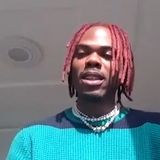
The spare backing on Love Nwantiti makes every small change to CKay’s recurring melody easy to hear.

On Get Squared, compare the Okoye brothers’ turns at leading a line and the way their two voices reinforce a hook together.

On Oliver Twist a compact vocal line gives dancers a point of return. The UK chart archive documents how far that single carried.

Johnny works through the voice of a character telling her own story. Yemi Alade renews the repeated hook by changing the emphasis of her delivery.

Buga is a shared credit with Tekno. Hear the different voices fit a deliberately simple hook into the bounce of the backing.
Begin with Gold and follow how much of the shape of a song is already in Adekunle Gold’s first sung melody.

The recurring address in Joromi acts halfway between dialogue and melody. Follow how the tune changes when the supporting voices join Simi.

Accra to Lagos gives Mr Eazi several rhythmic settings for a conversational delivery. Listen for where his lines make room for the rhythm to answer.

On Somewhere Between Beauty & Magic, compare the short phrases Joeboy uses to start a song with the much longer lines he gives its chorus.

Mushin 2 Mo’ Hits shows the range between Wande Coal’s quick runs and the simple vocal ideas he can repeat until they feel inevitable.

The Oyi remix with Tiwa Savage gives Flavour’s highlife phrasing a specific Afropop point of comparison. Listen to how neatly the two leads trade places.

Alubarika with Timaya gives the dancehall artist a Nigerian pop collaboration in which his change from singing to deejay phrasing matters to the whole arrangement.
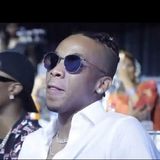
Pana is a compact example of Tekno’s melodic economy. The returns of its lead phrase let the small rhythmic changes in the track come through.
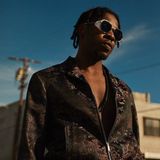
On Mad Over You, listen to where Runtown gives each part of the repeating vocal its own rhythmic stress.

The Bum Bum remix with Sean Paul lets you hear Timaya’s approach to a Nigerian dance-floor hook alongside a guest from Jamaican dancehall.
On Bounce, Ruger’s clipped attack and deliberate silences let his Afrodancehall phrasing lock in with the beat.

Outlaw provides a fuller case than one single. Compare the buoyancy of the shared credit on Soweto with the more exposed lead elsewhere on the release.

On KU LO SA, follow the change from the tightly placed syllables of the verse to a hook that lets Oxlade carry the tune across the beat.
Sincerely, Benson offers several examples of BNXN stretching a sung line past the point where a rapper might have ended it.
On Monalisa with Sarz, Lojay has space to shorten one phrase and stretch the next while the arrangement stays in motion.

On The Mayor of Lagos, listen to how often a distinct first few syllables establish Mayorkun’s chorus before the tune has reached its full span.

Rum & Boogie offers different settings for Peruzzi’s phrasing. Compare how he sets up a hook alone and when sharing the lead.
Zanku makes a case through the fit between the rhythm of Zlatan’s words and a beat made to move bodies.
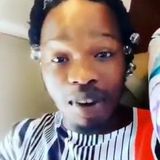
God’s Timing’s the Best gives a longer view of how Naira Marley spaces out clipped lines so they remain distinct against a busy beat.
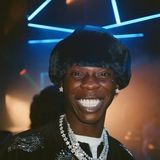
On Billion Dollar Baby, Seyi Vibez can drive a phrase forward in a rush and then let a few syllables pull it back into melody.
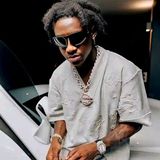
Presido La Pluto gives Shallipopi time to establish a spoken cadence and test how it lands over different arrangements.
Dealer pairs Ayo Maff with Fireboy DML. Compare how each voice frames the same central melody as it moves across the track.
On Vision, Qing Madi leaves enough air around a low-key vocal for the change of emphasis on a returning phrase to register.

Use Gongo Aso to hear 9ice bring a grainy vocal to a rhythmic line that can shift easily between a sung statement and a refrain.

Motherland gives Sound Sultan a repeated address with a story behind it. Follow the turns in the verses that make each return to the refrain feel different.
On Maradona, Niniola uses brief phrases that sit immediately against the house pulse. Listen for the pauses that make the next vocal entry land.

On Case, Teni brings the emphases of ordinary speech into a long sung line. A small change of tone can already tell you more about its narrator.
Start with Yori Yori and listen for the weight the paired voices put on the words the audience is invited to answer.

On Forever, Gyakie puts feeling into how she hangs back from the beat and leaves a little silence before starting the next line.
On 5 Star, King Promise brings a patient vocal attack to several sorts of rhythm. Compare how quickly he gives the listener the whole melody in each song.

Fountain Baby places a light, close voice inside sharply changing production. Follow what happens to that voice as the music moves between pop and club rhythms.

Sugarcane offers a clear lead performance, while the remix puts Camidoh alongside different voices. Compare how the hook holds the two versions together.

Start with The Golden Boy and hear how KiDi carries a smooth lead from the detail of a verse into the much broader shape of a chorus.
Rockstar lets listeners compare Kuami Eugene’s use of sustained melody with the quicker accents he brings from Ghanaian highlife into pop.

On The Villain I Never Was, follow the rough edges of Black Sherif’s lead as the arrangements move between rap and sung storytelling.

Non Living Thing with Oxlade makes the boundary between Sarkodie’s rap and the sung hook easy to hear. Judge how well one sets up the other.
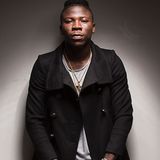
Activate with Davido is a way to assess Stonebwoy’s dancehall-rooted delivery inside a shared Ghanaian–Nigerian pop record.
On Hossana with Burna Boy, the shift between the two performers puts Shatta Wale’s attack in a different light from his solo dancehall singles.
Da Revolution offers a full-length case for the balance between the rapper and singer. Try following the handover between the two through a whole track.

Yes I Do features Tiwa Savage. Listen to the way Becca’s phrasing establishes a lead melody with room for the guest voice to answer it.

Efya’s contribution to Wizkid’s Daddy Yo provides a specific crossover for a singer with a wider soul catalogue. Listen for the voice below the main line.

The Number One remix with Davido pairs Diamond Platnumz’s bongo flava phrasing with a Nigerian guest verse. Compare how the two voices approach the same beat.
Sound from Africa gives a bongo flava artist space to take his melody through several African pop arrangements. Follow how his delivery changes with the guests.
Love pairs Zuchu with Adekunle Gold. Hear how her long lines carry the melody into the spaces between the guest’s phrases.
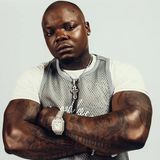
Kainama puts Harmonize with Burna Boy and Diamond Platnumz. Follow which parts of his Swahili lead carry through the changes in voice and rhythm.

Jealous with Mayorkun makes Alikiba’s crossover concrete. The way he stretches the lead line gives the Nigerian guest a distinct setting to work in.

African Music is a starting point for the Ugandan Afropop singer and songwriter. Listen to how a verse sets out the tune that becomes the main hook.

The Jambole remix with Kcee offers a Uganda–Nigeria crossover. Kenzo’s short repeated lead sets a pattern for the guest to answer.
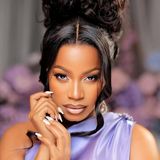
Sweet Sensation with Orezi gives Sheebah a concrete Nigerian crossover. The record lets her alternate a firm attack and a more sustained melody beside another singer.

Lady Fiona with Cobhams Asuquo brings the Kenyan group’s approach to harmony into a specific collaboration with a Nigerian producer and singer.

Number One with Joeboy gives Nandy a specific Tanzanian–Nigerian collaboration. Listen to the shape both artists give the same recurring melody.
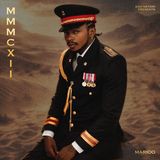
The Kid You Know gives Marioo room to carry bongo flava melody into wider dance-pop arrangements. Compare what changes as the backing rhythm gets denser.

The People version with Ayra Starr and Omah Lay puts Libianca’s measured original lead beside two more voices. The contrast gives her restraint extra weight.

Beauty on Fire with Joeboy links the Rwandan singer’s Colorful Generation and Nigerian Afropop. Compare the phrasing of the two leads.

Compare Don Jazzy’s work behind Mo’ Hits with the Mavin catalogue. His case on this ballot is the thread you can hear through records made for different voices.

On Monalisa with Lojay, Sarz has a clear shared credit. Hear how the pulse continues underneath the gaps in the singer’s delivery.

Hypé with Ayra Starr puts Nakamura’s French-language pop phrasing into a specific Afrobeats collaboration. Listen for how soon each singer establishes her own cadence.

Pheelz’s interview with the Recording Academy traces his work behind other artists and his move into recording under his own name. Compare the choices he makes in those two roles.

Lady Fiona is a joint release with Sauti Sol. It gives listeners a recording on which to judge how Cobhams fits his own lead and arrangement around a group with a distinct vocal sound.
No entries from this region on this list yet.
About this ranking
Start with three records that put the voice to different uses. On 2Baba’s African Queen the melody has time to open out, while D’Banj delivers the refrain of Oliver Twist in short bursts. On Made in Lagos, Wizkid leaves gaps that other voices and parts of the arrangement can fill. Each is a different answer to the same practical question of how to make someone want to hear a line again.
Follow the release credits. Lojay and Sarz both shape Monalisa, and Kizz Daniel shares Buga with Tekno. The ballot recognises producers where the record makes their contribution audible. It also includes specific collaborations with artists from neighbouring scenes. Diamond Platnumz’s Number One remix with Davido brings bongo flava into the discussion through a named record.
Give an older single the same attention as the track you heard yesterday. Listen for the choices that make a singer or producer recognisable across several releases, and for the moments when somebody brings something different to a collaboration. That can matter more to a vote than the size of the audience one song found.
Read the argument
Think someone is missing from this list?
Suggest an entry and we'll review it for inclusion.