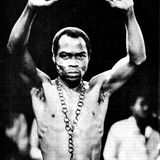
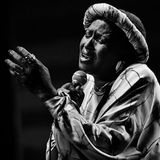
Known as Mama Africa, Makeba carried South African songs to international stages without abandoning their languages or distinctive vocal traditions. Pata Pata and the Click Song introduced audiences to her extraordinary rhythmic articulation, while years in exile made her singing inseparable from the struggle against apartheid. Her 1965 album with Harry Belafonte earned a Grammy.
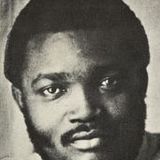
As the guitarist and driving force behind OK Jazz, later TPOK Jazz, Franco helped make Congolese rumba a common musical language across Africa. His guitar lines, expansive arrangements and incisive observations about everyday life defined recordings such as Mario and Très Impoli. His orchestra became a school for generations of singers and instrumentalists.

Umm Kulthum turned the extended Arabic song into a public cultural event through her vocal range, command of poetry and extraordinary ability to vary a phrase. Her concerts and radio broadcasts reached listeners throughout North Africa and the Arabic-speaking world. Enta Omri and Al Atlal remain landmarks of an art in which emotional intensity builds through repetition and improvisation.

N'Dour brought Senegalese sabar rhythms into contemporary popular music with Étoile de Dakar and Super Étoile, developing a distinctive sound anchored by his soaring tenor. His collaboration with Neneh Cherry on 7 Seconds opened new international doors, while the album Egypt won a Grammy. His deeper catalogue remains central to the history of mbalax.
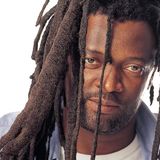
Dube began in South African mbaqanga before finding a continental audience with reggae sung largely in English. Prisoner, Together as One and Different Colours / One People addressed separation, family and prejudice through memorable melodies and a warm, expressive voice. His records made African reggae a major presence on radio and in homes across the continent.

Keita's powerful voice emerged through the Rail Band and Les Ambassadeurs before his solo work brought Mandé singing into adventurous modern arrangements. Soro and Moffou show his range from electric orchestration to intimate acoustic music. His career also challenged social prejudice surrounding albinism and inherited expectations about who could become a musician.
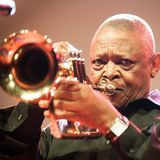
A trumpeter and flugelhorn player with an immediately recognisable melodic voice, Masekela joined South African township music with jazz and American soul. Grazing in the Grass reached the top of the US singles chart in 1968, while Stimela and Bring Him Back Home became enduring parts of his concert repertoire. His work connected musical virtuosity with the experience of exile.
Tabu Ley's supple tenor and elegant songwriting helped establish the modern Congolese orchestra as a continental institution. Through African Fiesta and Afrisa International he cultivated richly layered arrangements and brought singers such as Mbilia Bel to prominence. Songs including Mokolo Nakokufa demonstrate the melodic sophistication that distinguished his work.
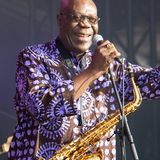
Dibango brought the dance rhythms of Cameroon into conversation with jazz and funk through his saxophone, vibraphone and arrangements. Soul Makossa became an international dance-floor phenomenon in the 1970s and a touchstone for later pop musicians. His decades of collaborations made him a central link between African urban music and global popular sound.
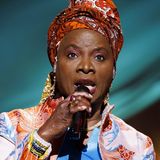
Kidjo combines the rhythms and languages of Benin with funk, jazz, Caribbean music and rock in a career that has repeatedly crossed genre boundaries. Agolo and Wombo Lombo established her vibrant performance identity, while projects such as Celia reimagined the links between Africa and its diaspora. Her multiple Grammy-winning albums reflect an unusually broad musical vocabulary.
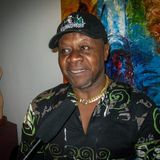
From Zaïko Langa Langa to Viva La Musica, Papa Wemba helped redefine the sound and image of successive generations of Congolese popular music. His high tenor, fluid phrasing and flamboyant stage presence travelled from Kinshasa to Paris and beyond. Alongside recordings such as Show Me the Way, his association with the sape movement made fashion an integral part of his public identity.

Alpha Blondy established a distinctive West African reggae tradition by singing in languages including Dioula, French and English. Brigadier Sabari addressed police violence, while Jerusalem and Cocody Rock reached audiences across religious and linguistic boundaries. His sustained popularity demonstrated that reggae could be rooted in African concerns rather than simply reproduce Jamaican models.
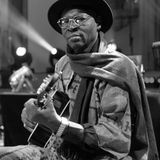
Touré's guitar style drew on northern Malian musical traditions, using repeated figures, subtle rhythmic shifts and a voice closely tied to local languages. His collaboration with Ry Cooder on Talking Timbuktu brought a Grammy and renewed attention to the similarities between West African music and the blues. In the Heart of the Moon, recorded with Toumani Diabaté, revealed a different side of his musicianship.
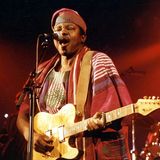
Sunny Adé modernised Yoruba jùjú by building expansive arrangements around electric guitars, talking drums and pedal steel. His performances could develop a single musical idea into an extended dance sequence, and his international albums Juju Music and Synchro System brought that approach to new audiences. At home, his music remained closely connected to praise singing and celebrations.
Fassie's Weekend Special established her as a defining voice of South Africa's township pop era. Her later work, including Vulindlela and the album Memeza, showed how she could renew her sound for another generation without losing her raw emotional directness. Her fearless performance personality made her an enduring cultural figure far beyond the recording studio.

Burna Boy combines Nigerian musical inheritance with dancehall, hip-hop and contemporary African pop, often linking personal stories to a wider African identity. African Giant and the Grammy-winning Twice as Tall consolidated his international reputation. Songs such as Ye and Last Last show his knack for turning emotionally direct writing into widely shared choruses.
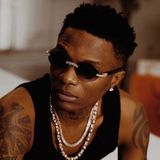
Wizkid helped shape a lighter, melodic strain of Nigerian pop that moved easily between dance floors and intimate listening. From Superstar to Made in Lagos, his work demonstrated an increasingly confident use of vocal space and understated rhythm. Essence, featuring Tems, became an international breakthrough for a sound developed within Nigeria's own music industry.
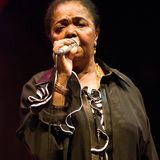
Évora made the intimate sound of Cape Verdean morna internationally recognisable through her restrained delivery and unmistakable tone. Sodade and Miss Perfumado communicate the island experience of distance, longing and migration without the need for dramatic production. Her international breakthrough came relatively late in life, and Voz d'Amor earned a Grammy.
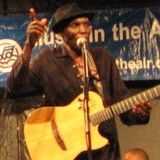
Mtukudzi developed a personal guitar-led sound rooted in Zimbabwean rhythms and the expressive possibilities of Shona song. His gravelly voice gave gentle authority to songs about family, illness, responsibility and social change, including Neria and Todii. The breadth of his catalogue made his music familiar across southern Africa and among Zimbabweans abroad.

Olomidé's deep, distinctive voice and leadership of Quartier Latin made him a major figure in the transition from classic rumba to modern Congolese dance music. Albums such as Loi and Effrakata combined romantic songs with elaborate dance sections and a highly recognisable production style. His band also provided a platform for younger stars, including Fally Ipupa.

Khaled helped take Oran's raï music from local celebrations to a global audience, retaining its emotive vocal style while embracing modern production. Didi and Aïcha became international hits, while his earlier recordings remain important to the development of the genre. His career illustrates how Maghrebi popular music can cross linguistic and cultural borders.

Diab helped define contemporary Arabic pop by combining Egyptian song with Mediterranean, electronic and Latin-influenced arrangements. Nour El Ain became an international success, while his repeated reinvention of album production and visual presentation kept him central to Arab popular music across decades. His catalogue reaches well beyond a single signature hit.

Ipupa emerged from Koffi Olomidé's Quartier Latin before developing a solo career that bridges Kinshasa rumba and contemporary African pop. Droit Chemin, Tokooos and Formule 7 show his ability to move between long-form romantic songs and compact dance tracks. His crossover success has brought a younger international audience into contact with Congolese rumba.
Kabasele and African Jazz helped give modern Congolese music its orchestral identity in the 1950s and early 1960s. Indépendance Cha Cha, recorded during Congo's independence negotiations, became associated with a wider African moment of political freedom. His ensemble helped launch musicians including Dr Nico and Tabu Ley, making him a foundational figure in rumba history.
Wendo belonged to the first generation of musicians who made recorded Congolese rumba a popular urban sound. Marie-Louise, his landmark collaboration with guitarist Henri Bowane, brought together guitar, vocal storytelling and the rhythms that would develop into a major African musical tradition. His later return to recording connected younger listeners with rumba's formative years.
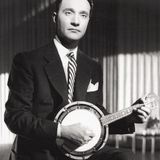
Abdel Wahab was both a celebrated singer and a composer who reshaped the modern Arabic song through orchestration, new instrumental colours and cinematic presentation. His compositions for Umm Kulthum, including Enta Omri, linked two of the era's major musical figures. His own film and recording work influenced successive generations of Arabic composers.
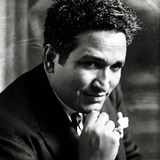
Darwish reshaped Egyptian musical theatre in the early twentieth century through songs grounded in ordinary speech, urban life and national identity. His compositions for the stage helped move Egyptian popular song toward new dramatic and expressive forms. The melody of Biladi Biladi, later adopted as Egypt's national anthem, remains an enduring part of his legacy.
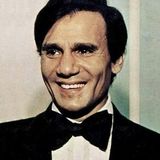
Known as the Dark-Skinned Nightingale, Hafez gave modern Egyptian song an intimate, emotionally vulnerable character that carried easily through cinema and radio. His repertoire stretched from patriotic songs to extended romantic works such as Qareat El Fengan. The combination of his singing, screen presence and close identification with his era has kept his recordings in circulation long after his death.
Mapfumo adapted the interlocking patterns of Shona mbira music to electric guitar and a modern band, developing the sound associated with chimurenga. His songs became part of the cultural landscape of Zimbabwe's liberation era, and he continued to address public life after independence. Hokoyo! and later recordings document the evolution of that musical language.
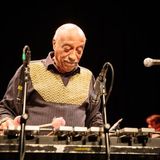
Astatke combined Ethiopian melodic scales with jazz improvisation, Latin rhythms and the vibraphone, helping establish Ethio-jazz as a recognisable style. His 1960s and 1970s recordings, including material collected in the Éthiopiques series, found a second international audience decades later. His contribution lies as much in composition and arrangement as in instrumental performance.
Mensah and his Tempos band made dance-band highlife a defining sound of mid-century West Africa. Blending Ghanaian rhythmic ideas with brass, jazz and Caribbean influences, the band toured beyond Ghana and influenced musicians in Nigeria and elsewhere. Ghana Freedom captured the optimism of independence and remains closely associated with that historical moment.
Brahem developed an understated musical language centred on the oud, drawing together Arabic modes, improvisation and chamber-like ensemble settings. Barzakh and Le Pas du Chat Noir established his distinctive approach to composition and silence. His work with musicians from different traditions has expanded the expressive possibilities of the oud in contemporary music.

Mbilia Bel rose to prominence with Tabu Ley's Afrisa International, becoming one of the most celebrated female voices in Congolese rumba. Eswi Yo Wapi, Beyanga and Nakei Nairobi showcased her elegant melodic control and natural authority over long orchestral arrangements. Her success gave women a highly visible place in an industry long dominated by male bandleaders.
Established in the early independence era, Bembeya Jazz became one of Guinea's major national orchestras. Its repertoire combined Mandé musical traditions, Latin-influenced arrangements and virtuoso electric guitar, notably through Sékou Bembeya Diabaté. Regard sur le passé demonstrates the orchestra's capacity to turn historical narrative into ambitious recorded music.
The Rail Band of Bamako transformed traditional praise singing and regional rhythms through electric guitars, brass and Afro-Cuban influences. Its early line-ups included Salif Keita and Mory Kanté, and the guitarist Djelimady Tounkara became one of its defining musical voices. The orchestra was a crucial institution in the development of modern Malian music.
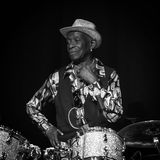
Allen's drumming was fundamental to the sound of Fela Kuti's Africa 70, combining independent rhythmic patterns with a remarkably relaxed sense of movement. His solo recordings and later collaborations expanded that approach into electronic music, jazz and other settings. His work changed how musicians think about the rhythmic architecture of Afrobeat.
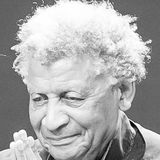
Formerly known as Dollar Brand, Ibrahim developed a piano language that connects Cape musical traditions, spirituals and modern jazz. Mannenberg became an enduring South African anthem through its cyclical piano figure and expansive ensemble playing. His solo and small-group recordings reveal a composer equally comfortable with sparse meditation and richly textured improvisation.
Tshala Muana made the rhythms and dance traditions of the Kasai region central to a career that reached audiences throughout Africa. Her distinctive singing, choreography and modern arrangements gave mutuashi a place alongside Congolese rumba and soukous on the continent's dance floors. Her work is an important example of a regional musical language becoming a pan-African sound.
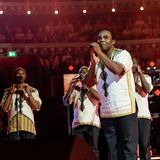
Founded by Joseph Shabalala, the group brought the precise harmonies and restrained movement of isicathamiya to international concert halls. Their participation in Paul Simon's Graceland introduced new audiences to a tradition they had already developed extensively in South Africa. Multiple Grammy-winning recordings document their extraordinary ensemble discipline and vocal warmth.
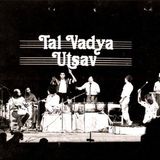
Olatunji's album Drums of Passion introduced a broad American audience to Yoruba-derived percussion and collective singing at the end of the 1950s. His teaching and collaborations with jazz musicians helped make African rhythmic systems more visible in international musical education. His influence lay in performance, composition and the transmission of musical knowledge.

Sangaré brought Wassoulou music to a broad audience through her strong voice, distinctive rhythmic arrangements and candid writing about women's lives. Moussoulou established her reputation with songs that questioned social expectations while remaining rooted in southern Malian traditions. Later albums demonstrate her ability to renew that sound without sacrificing its identity.
Ahmed emerged from Addis Ababa's golden age of popular music with a voice that could move from delicate ornament to dramatic intensity. His recordings with the Ibex Band, especially Erè Mèla Mèla, placed Ethiopian melodic traditions inside electric, horn-led arrangements. Their later reissue helped introduce the richness of Ethiopia's urban music to a wider world.

Born in the United States and established musically in Nigeria, Davido built a continental audience through Dami Duro, Aye, If and Fall. His direct melodic style and energetic performances helped take Nigerian pop into international markets. A Good Time documents the breadth of his collaborations and the accessible songwriting behind his success.

Following his early work with Plantashun Boiz, 2Baba became a leading figure in the development of modern Nigerian pop. African Queen travelled across the continent and beyond through its understated melody and direct expression of affection. His later recordings combined romance, reggae-inflected rhythms and reflective songwriting with a distinctive, relaxed voice.

Peter and Paul Okoye made polished choreography, harmonised vocals and infectious choruses central to their success as P-Square. Get Squared and Game Over helped establish a model of Nigerian pop capable of reaching audiences across Africa before the streaming boom. Do Me, No One Like You and Personally remain closely associated with their era.

D'banj and producer Don Jazzy helped establish the Mo' Hits era as a turning point in Nigerian pop through recordings such as Tongolo and Why Me. His harmonica, playful delivery and charismatic stage persona set him apart from his contemporaries. Oliver Twist subsequently entered the UK singles chart and demonstrated the genre's crossover potential.
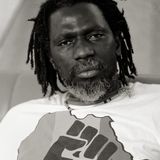
Fakoly developed a direct, socially engaged reggae style whose French and African-language lyrics speak to experiences across francophone Africa. Albums such as Françafrique and Coup de Gueule established his reputation through forceful writing and carefully sustained roots-reggae arrangements. His touring career made him a major representative of African reggae internationally.
Ampadu turned Ghanaian highlife into a rich form of musical storytelling through the African Brothers Band. His songs used Twi proverbs, humour and everyday situations to explore relationships and public life, often developing a narrative over a full performance. Ebi Te Yie exemplifies the way his music could be immediately entertaining and socially observant.

Michael Collins Ajereh helped shape the sound of Nigerian popular music through Mo'Hits Records and later Mavin Records. His production on recordings by D'banj and Wande Coal established a distinctive blend of local rhythmic ideas, electronic bass and memorable vocal arrangements. His later work as a producer and label founder helped develop multiple generations of Afrobeats artists.
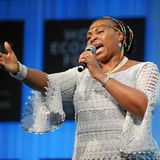
Chaka Chaka became a continent-wide popular star through the brightly arranged township pop of the 1980s and 1990s. Umqombothi and I'm Burning Up combined clear melodic hooks with an inviting, confident vocal presence. Her widespread appeal across African radio markets earned her the affectionate title Princess of Africa.
Born in Bulawayo, Masuka became a major figure in Johannesburg's 1950s musical scene, writing and singing songs that combined jazz, local rhythms and social observation. Hamba Nontsokolo became one of her best-known recordings. Her career across southern Africa and in exile helped connect the region's popular music traditions. Origins and affiliation: Zimbabwe / South Africa.
Letta Mbulu emerged from South Africa's musical theatre and jazz scene before recording internationally during years in exile. Music such as Not Yet Uhuru combined her distinctive voice with township rhythms and contemporary production. Her career linked South African popular song with jazz, soul and the international African diaspora.
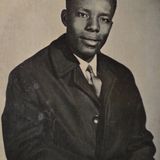
Nico was an innovator of the melodic electric-guitar language that came to define Congolese rumba. His work with African Jazz and African Fiesta showcased fluid lead lines that could complement a singer while remaining independently expressive. Later guitarists across central and eastern Africa inherited elements of his phrasing and instrumental approach.
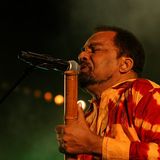
Bonga's rough, soulful voice carried Angolan rhythms to listeners during the final years of Portuguese colonial rule and the decades that followed. Angola 72 and Angola 74 established a spare, compelling sound in which percussion and guitar support his emotionally charged singing. Mona Ki Ngi Xica remains among the recordings most closely associated with his musical identity.
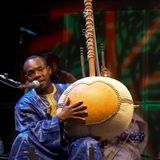
Diabaté expanded the possibilities of the 21-string kora through intricate solo playing and collaborations with musicians from several continents. Kaira demonstrated how a single performer could sustain bass, melody and improvisation at once, while his work with Ali Farka Touré earned international recognition. He made a centuries-old musical inheritance audible in strikingly contemporary settings.
Bastos combined the rhythms of Angola with acoustic guitar, Portuguese-language song and a deeply expressive vocal style. Pretaluz brought his music to an international audience, but his repertoire remained closely tied to the experience of Angolan displacement and return. His recordings occupy a distinctive space between semba and reflective singer-songwriter music.

Flores helped renew semba for a younger audience, writing songs that reflect the humour, hardship and vitality of Luanda. His work also draws on kizomba and other modern Angolan dance forms, while his album Ex-Combatentes reflects the social history of the country. His songwriting has kept the everyday language and character of Angolan music in the foreground.
Lando became an important voice of Angolan music through songs combining folk-derived melody and semba rhythms with reflections on national identity. Independência is among the works associated with the country's independence era. His repertoire helped articulate the experiences of Angolans during a period of profound social change.

Kanté moved from the Rail Band to a solo career that joined griot traditions and kora playing with electronic dance production. Yéké Yéké became a major international hit in the late 1980s, demonstrating the global potential of a song rooted in West African musical language. His wider catalogue shows the instrumental and vocal craft behind that breakthrough.
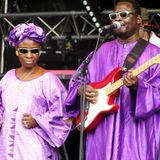
The duo met through a school for blind people in Bamako and developed a musical partnership combining Amadou's guitar playing with Mariam's distinctive singing. Dimanche à Bamako and Welcome to Mali brought their blend of Malian rhythms, rock and electronic production to broad international audiences. Their earlier recordings established the musical foundation long before that crossover success.
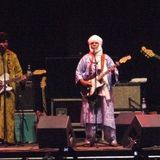
Tinariwen developed electric guitar music out of the experiences of Tuareg communities in the Sahara, with songs in Tamasheq shaped by migration and longing. Repetitive guitar lines and collective singing give their recordings a distinctive rhythmic and emotional identity. Albums such as Aman Iman and Tassili brought sustained international attention to the music of the region.
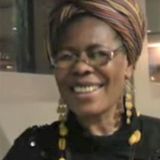
Chiweshe brought the intricate music of the Shona mbira to concert audiences across the world. Her performances combined interlocking metal-key melodies with singing rooted in Zimbabwean ceremonial traditions. Recordings such as Ambuya? helped establish her reputation as an exceptional musician who challenged longstanding restrictions on women's participation in mbira performance.
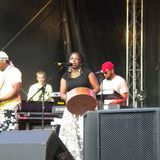
Maraire combined the mbira traditions learned through her family with contemporary songwriting and ensemble performance. Ancient Voices introduced her expressive singing and instrumental approach to audiences in Zimbabwe and abroad. Her music demonstrated how traditional instruments could be part of a modern, personal songwriting language.
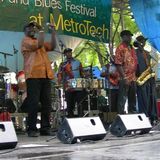
Orchestra Baobab grew out of Dakar's club scene, joining Cuban rhythmic influences with Senegalese languages and guitar traditions. Pirate's Choice showcases the relaxed precision and melodic interplay of its classic line-up. Its revival decades later introduced the group's distinctive sound to new listeners while reconnecting with a long-standing West African audience.
Khadja Nin developed a style combining Swahili and other languages with contemporary African and international pop arrangements. The album Sambolera brought her a large francophone audience in the 1990s, while her adaptation of Stevie Wonder's Free as Sina Mali, Sina Deni displayed the expressive character of her voice. Her music is closely associated with displacement, dignity and African identity.
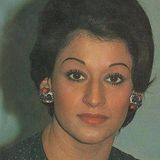
Warda built a major career across the Arabic-speaking world, combining Algerian roots with the orchestral song traditions of Egypt. Her expressive phrasing and stamina gave romantic repertoire such as Batwanes Beek a particularly intimate intensity. Her work with composers including Baligh Hamdi helped define the sound of Arabic popular song in her generation.
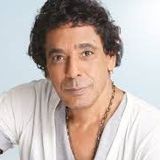
Mounir brought Nubian musical heritage into the mainstream of Egyptian popular song through distinctive melodies, rhythmic choices and adventurous collaborations. Shababeek remains an important early statement of his approach, combining Egyptian song with jazz-influenced and contemporary arrangements. His long career has helped give Nubian cultural identity a prominent place in modern Egyptian music.
Samira Said developed a major career in the Egyptian and wider Arab music industries after beginning as a young singer in Morocco. Youm Wara Youm demonstrated her ability to renew her sound through modern dance production while retaining the melodic characteristics of Arabic song. Her catalogue spans several generations of Arab pop. Origins and affiliation: Morocco / Egypt.

Obey helped modernise jùjú through the International Brothers and later the Inter-Reformers, placing layered guitars and percussion around Yoruba praise singing and moral reflection. His music frequently develops a proverb or life lesson over an extended, unhurried groove. The depth of his catalogue and subsequent gospel work reflect his longstanding place in Nigerian musical life.
Peters brought greater speed, percussion and dance-floor intensity to jùjú through the Afro-jùjú sound associated with his album Ace. His interweaving of guitar lines, talking drums and energetic singing made him a major figure in Nigerian popular music at the end of the 1980s. Shinamania sustained the momentum of that breakthrough.
Daddy Lumba helped define the modern Ghanaian highlife sound, particularly its meeting with electronic production and diaspora recording culture. Beginning with the Lumba Brothers and developing a prolific solo catalogue, he explored romance, disappointment, celebration and spirituality. Aben Wo Aha and Theresa remain familiar examples of his melodic and lyrical appeal.
Osadebe gave Igbo highlife a spacious, unhurried sound in which horns, guitars and vocal responses unfold over extended performances. Osondi Owendi is a defining example of his ability to make everyday wisdom and relaxed dance rhythm reinforce each other. His repertoire remains a fixture at gatherings and celebrations in southeastern Nigeria.

Gessesse became a defining voice of modern Ethiopian popular song through his recordings and work with the Imperial Bodyguard Band. His clear, expansive tenor carried romantic, patriotic and reflective material with exceptional emotional force. His lasting reputation within Ethiopia rests on a large repertoire that became familiar across generations.

Maal developed a commanding vocal style rooted in the musical traditions of the Senegal River valley, notably through his collaboration with guitarist Mansour Seck. Records such as Djam Leelii and Firin' in Fouta show the range between acoustic intimacy and large-scale rhythmic production. His later film collaborations extended a career already well established in West Africa.
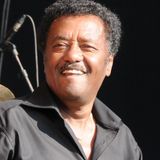
Eshete brought a fierce, rhythmically charged vocal style to Addis Ababa's golden age of recorded music. His songs combined Ethiopian melodic traditions with soul, rock and horn-led arrangements, earning comparisons with James Brown. The reissue of his early recordings introduced a new generation to his expressive range and stage energy.
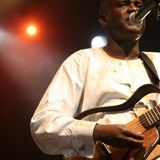
Lô's acoustic guitar, harmonica and quiet singing distinguished him from the large-band sound usually associated with Senegalese popular music. Tajabone brought international attention to his understated approach, and his work in Super Diamono preceded his solo career. His songs often explore family, migration and personal reflection.
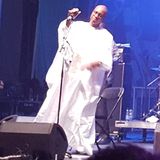
Sékouba Diabaté emerged as a singer with Bembeya Jazz National before developing a major solo career. His powerful, highly ornamented singing brought Mandé traditions into conversation with modern arrangements and Afro-Cuban music through projects including Africando. Sinikan is an example of the melodic sophistication of his solo recordings.
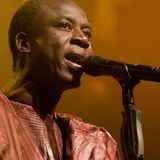
Seck's career with Orchestra Baobab and later Raam Daan made him a major figure in Senegalese popular music. His voice was distinguished by its expressive ornamentation and command of Wolof song. The album Orientation explored the relationship between his Senegalese musical inheritance and other traditions, including Indian music.

Born in the United States to Senegalese parents, Akon spent his early childhood in Senegal before returning to America at about seven. His melodic delivery made Locked Up, Lonely and Smack That international successes, and his production and collaborations broadened his influence on popular music. His career belongs primarily to American R&B, with a strong personal and cultural connection to Senegal. Origins and affiliation: Senegal / United States.
Born in Ibadan and raised largely in England, Sade Adu established a distinctive vocal identity with the band Sade. Diamond Life, Promise and Love Deluxe combine restrained singing with precise jazz- and soul-influenced arrangements. Her exceptional longevity and Nigerian heritage connect her to Africa's wider diaspora, although her recording career developed primarily in Britain. Origins and affiliation: Nigeria / United Kingdom.
Wardi gave modern Sudanese song a wide emotional and musical range, joining Nubian inheritance with Arabic-language poetry and richly arranged orchestras. His love songs and public songs became part of Sudan's shared musical memory. The reach of his voice across the Horn of Africa and beyond demonstrates the regional influence of Sudanese music.
Halima Khalif Magool was a celebrated singer of Somali poetry and popular song, with a voice closely associated with the country's modern musical and theatrical traditions. Her repertoire included romantic, patriotic and reflective works that circulated widely among Somali-speaking communities. Her performances remain part of the cultural memory of the Horn of Africa and its diaspora.

Formed in 1969, Zaïko altered the sound of Kinshasa youth music by emphasising guitar, percussion, animated stage routines and extended dance passages. Its changing membership produced numerous stars, while the group itself maintained a distinctive rhythmic identity. Its influence can be heard throughout later soukous and ndombolo.
Emeneya rose to prominence with Papa Wemba's Viva La Musica before founding Victoria Eleison. His expansive voice and use of synthesizers and electronic textures, notably on Nzinzi, helped distinguish his productions from more traditional rumba ensembles. His career spanned Congolese dance music, romantic song and experiments with international pop.
Kanza developed a delicate style combining acoustic guitar, close vocal harmonies and multilingual songwriting. His self-titled debut and subsequent recordings established a musical identity distinct from the large dance orchestras associated with Congo. His work as an arranger and collaborator has connected Congolese music with artists across Africa and the wider world.
Born in Kinshasa to parents from Angola, Mangwana moved through major Congolese ensembles including Afrisa and TPOK Jazz before developing a wide-ranging solo career. His multilingual singing and work with African All Stars carried rumba across central and West Africa. Galo Negro reflects the cosmopolitan character of his musical life. Origins and affiliation: DR Congo / Angola.
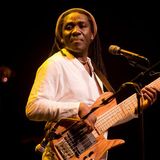
Bona established himself internationally through melodic electric bass playing, vocal layering and a musical vocabulary that draws on his Cameroonian upbringing. Albums such as Scenes from My Life and Munia show his ability to give jazz fusion a distinctly personal sound. His collaborations with major jazz musicians complement an accomplished body of original work.
Okosun combined West African rhythmic traditions with rock and reggae to create the music he called Ozzidi. Fire in Soweto and Papa's Land carried messages associated with African liberation and unity to audiences across the continent. His later gospel career demonstrated the breadth of his musical interests.

Onwenu combined a rich singing voice with songwriting about love, social responsibility and national unity. One Love and You and I became enduring parts of Nigerian popular music, while her collaborations with King Sunny Adé showed her ability to work across styles. Her career also encompassed broadcasting and film.
Tanzania-born Daniel Owino Misiani became a central architect of Kenyan benga through his work with Shirati Jazz. His fast, interlocking guitar lines and Luo-language storytelling helped establish a style that spread across East Africa. The band's recordings offer both exuberant dance music and a detailed record of everyday social concerns. Origins and affiliation: Kenya / Tanzania.
Mwinshehe became one of Tanzania's leading guitarists, singers and composers through Morogoro Jazz and later his own Super Volcano band. His music brought the melodic language of East African dance orchestras together with expressive Swahili songwriting. His recordings continued to influence Tanzanian and Kenyan popular musicians after his early death.
Born in what is now DR Congo, Ongala made Tanzania his musical home through Orchestra Super Matimila. His Swahili songs joined guitar-driven dance rhythms with direct writing about everyday hardship, health and social inequality. Mambo and Songs for the Poor document a musician whose popularity crossed linguistic and national boundaries. Origins and affiliation: Tanzania / DR Congo.
Karoli became a major East African recording artist through songs rooted in the musical traditions of northwestern Tanzania. Maria Salome and Chambua Kama Karanga brought her distinctive vocal style and rhythmic arrangements to audiences beyond her home country. Her success showed that locally grounded music could compete with urban dance-pop on its own terms.
Williams is widely associated with Malaika, one of the most internationally recognised Swahili songs, although its authorship has long been disputed. His recording and performing career helped make East African guitar-led popular song familiar beyond its original audiences. His legacy also reflects the regional circulation of music between Kenya and Tanzania.

Magic System emerged from the Ivorian zouglou scene with songs that turned everyday stories into collective dance refrains. Premier Gaou became a pan-African and international hit, while the group's later work developed a crossover sound for francophone and wider audiences. Their career helped establish zouglou as one of Côte d’Ivoire's most recognisable musical exports.
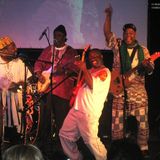
Formed in London by African and Caribbean musicians, with Ghanaian players at its core, Osibisa created a propulsive fusion of highlife, jazz, rock and percussion. Their early albums and Sunshine Day made African-led fusion a familiar presence in the international popular music of the 1970s. Their ensemble sound remains a landmark in the musical exchange between Africa and its diaspora. Origins and affiliation: Ghana / United Kingdom.
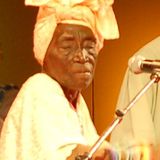
The Zanzibar singer Fatuma binti Baraka became known for her arresting voice, percussion and mastery of musical traditions associated with coastal Swahili life. Her long career included taarab and unyago, a women's ceremonial tradition, and international performances brought recognition to both. Her work transmitted musical knowledge across generations rather than separating it from community life.
Siti binti Saad helped transform Zanzibar's taarab by bringing Swahili-language performance to a much wider public. Her pioneering commercial recordings in the late 1920s established a lasting record of women's musical creativity in East Africa. Her songs addressed ordinary lives and social inequalities through a tradition previously associated strongly with elite settings.
Mafikizolo developed a recognisable South African pop sound around the vocal partnership of Theo Kgosinkwe and Nhlanhla Nciza, alongside late founding member Tebogo Madingoane. Ndihamba Nawe and Emlanjeni established their appeal, while Khona later reached audiences across the continent. Their career connects the kwaito era to the emergence of contemporary pan-African dance pop.
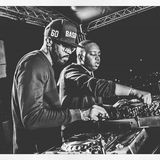
Black Coffee developed a spacious, soulful approach to electronic dance music through collaborations with South African vocalists and his own carefully layered productions. His ascent from the local house scene to international clubs and festivals widened the audience for African electronic music. Subconsciously won the Grammy for Best Dance/Electronic Music Album in 2022.

Ange Didier Houon became one of the defining stars of coupé-décalé through a combination of rapid vocal chants, dance innovations and highly energetic performance. His recordings and live shows helped turn the style into a major youth culture across francophone Africa. The public response to his death in 2019 reflected the depth of his connection with his Ivorian audience.
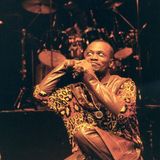
Frédéric Meiway developed zoblazo by combining rhythms from southeastern Côte d’Ivoire with modern dance production and elaborate stage presentation. 200% Zoblazo and Miss Lolo helped carry the style beyond national borders. His work demonstrates how a regionally rooted musical language can become a broadly shared African dance tradition.

Diamond Platnumz helped take Tanzania's bongo flava sound to a wider continental audience through Swahili melodies, dance-oriented production and collaborations across borders. Songs such as Number One and Nana established his recognisable vocal identity, while Wasafi became a platform for developing other artists. His career illustrates the commercial and creative reach of modern East African pop.
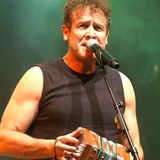
Clegg's partnerships with Sipho Mchunu in Juluka and later work with Savuka combined Zulu music and dance with rock arrangements. Their interracial collaborations challenged apartheid-era restrictions, while Scatterlings of Africa and Asimbonanga found an audience beyond South Africa. His work was grounded in years of learning and performing Zulu musical traditions.
Mandoza's deep voice and command of the kwaito beat made him one of the leading figures of South Africa's post-apartheid dance music. Nkalakatha crossed racial and linguistic boundaries and became a fixture at sporting events and celebrations. His wider career helped establish kwaito as a defining popular sound of its era.
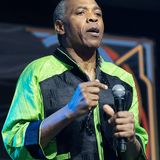
Femi Kuti developed an independent musical identity after leaving his father's band and forming Positive Force. His horn arrangements, driving rhythms and energetic stage performances carry Afrobeat into a different era. Albums such as Shoki Shoki and Fight to Win combine his own melodic and political writing with the ensemble language he inherited.

Sarkodie made rapid, rhythmically intricate Twi rap a prominent sound in African hip-hop. His breakthrough with Makye and subsequent albums such as Rapperholic established an approach that works equally well over highlife-derived rhythms and contemporary rap production. His success helped demonstrate that linguistic specificity need not limit a rapper's continental appeal.
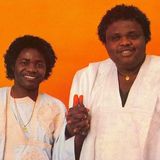
As leader of Empire Bakuba alongside other founding members, Pépé Kallé brought a booming voice and remarkable stage energy to Congolese dance music. His recordings combined memorable refrains with the agile guitar passages associated with soukous. Songs such as Roger Milla and Moyibi helped make him familiar to audiences well beyond Congo.

Lagbaja developed a distinctive masked stage identity around saxophone, Yoruba percussion and socially observant songwriting. His recordings, including Konko Below and Never Far Away, move between dance music, romantic song and commentary on public life. His elaborate live arrangements helped keep large-ensemble African popular music visible in a changing industry.
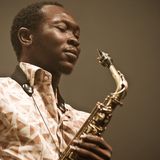
Seun Kuti took leadership of Egypt 80 after his father's death, maintaining the large-ensemble foundations of Afrobeat while developing his own compositions. Albums such as Black Times place his saxophone, vocals and socially engaged lyrics within the band's intricate rhythm and horn arrangements. His work continues a musical tradition through performance and new material rather than relying solely on its past repertoire.
Rockstone helped establish hiplife in the 1990s by bringing Ghanaian languages and highlife sensibilities into hip-hop. Albums such as Makaa Maka gave younger musicians a model for making rap unmistakably local rather than imitating American records. His contribution was foundational to the Ghanaian urban pop scene that followed.
Thomas brought Cameroonian dance music to a wider African audience with his guitar-led arrangements and buoyant singing. African Typic Collection, released in the 1980s, became a signature work of the era. His melodic approach and rhythmic fluency helped give makossa a lasting presence on dance floors beyond Cameroon.
Nzié was a pioneering Cameroonian singer whose long career helped establish women as prominent performers in the country's modern music. Her forceful delivery and recordings in the bikutsi tradition made her a major figure in national cultural life. Her influence preceded the international breakthroughs of later Cameroonian popular artists.
Uwaifo combined virtuosic guitar playing with rhythms and musical ideas drawn from Benin culture and wider Nigerian highlife. Joromi and Guitar Boy established his reputation as a musician with an unusual flair for melody and instrumental invention. His experiments with the Akwete sound and other approaches reveal a restless creative imagination.

Aweke's agile, deeply expressive voice made her one of Ethiopia's enduring popular singers, both at home and in the diaspora. Albums such as Aster and Kabu blend Ethiopian melodic ornament with contemporary instrumentation and soul-influenced arrangements. Her long career has helped keep Ethiopian-language popular music connected to listeners abroad.
Madilu became a prominent voice of TPOK Jazz during Franco's later years before establishing his own recording career. His smooth, expressive tenor gave romantic and narrative songs an intimate character even within large orchestral arrangements. Sans Commentaire and his contributions to Mario remain central to the musical memory of Congolese rumba listeners.
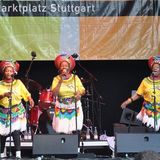
The deep, growling voice of Simon Mahlathini Nkabinde and the bright harmonies of the Mahotella Queens formed one of mbaqanga's most instantly recognisable combinations. With the Makgona Tsohle Band, they recorded music built around buoyant guitars, bass and call-and-response. Their international revival in the 1980s brought fresh attention to a sound already established in South African townships.
After working as a drummer in major Congolese bands, Awilo emerged as a solo performer with a modern, electronic approach to soukous. Coupé Bibamba and later recordings became dance-floor favourites in countries far beyond his own. His percussion background and distinctive choreography helped make late-1990s Congolese pop a continental phenomenon.

Antwi's career developed from bands including Classique Vibes into a distinctive solo sound shaped by highlife, reggae and romantic soul. Adiepena and Tom & Jerry illustrate the warmth of his singing and his ability to give everyday language melodic elegance. His sustained popularity made him a central figure in Ghanaian love-song traditions.
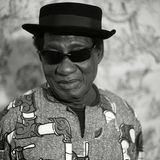
Taylor's work as a guitarist, arranger and bandleader connected Ghanaian highlife to jazz and funk, including during his years working with major recording artists in Ghana. Records such as Love and Death reveal his gift for balancing intricate rhythm with memorable horn lines. Renewed international interest in his work brought recognition to the depth of Ghana's earlier studio culture.
Kanda helped bring guitar-driven soukous to dance floors across Africa and Europe with arrangements that foregrounded the sebene, or instrumental dance section. His association with the kwassa kwassa dance and recordings such as Monie made his music a popular feature of parties and concerts. His work demonstrates how Congolese music became a transnational dance culture.
Mhlongo combined the Zulu guitar tradition of maskandi with rock, reggae and other contemporary musical influences. Urban Zulu captured the force of her singing and the inventiveness of her arrangements. Her work made it possible to hear maskandi as both a living local tradition and a source of sophisticated modern music.
The Soul Brothers developed a distinctive sound around Hammond organ, guitar, bass and the rich vocals of David Masondo. Their long catalogue carried mbaqanga into the 1980s and beyond, making the style a fixture of South African radio and dance culture. Their music also reached listeners across neighbouring southern African countries.
The twin sisters Taiwo and Kehinde Lijadu developed a sound that joined Nigerian rhythms with soul, funk and distinctive close harmonies. Danger and Horizon Unlimited reveal an approach to songwriting and production that was unusual in the male-dominated recording industry of the 1970s. Their catalogue has continued to attract new listeners through international reissues.
Dairo expanded Yoruba jùjú through the Blue Spots, incorporating accordion and a broader range of percussion into the music's guitar-led framework. His performances blended praise singing, religious themes and social observation in ways that reached beyond local audiences. His success preceded and helped create the conditions for the later international prominence of jùjú.
Olaiya and the Cool Cats were central to the growth of dance-band highlife in Nigeria. His trumpet playing, relaxed singing and compact arrangements helped make the style a fixture of urban social life around independence. His band also provided early professional experience for musicians including Fela Kuti.
Lawson and his bands developed a distinctive highlife sound shaped by the musical cultures of the Niger Delta. His emotive singing in multiple languages, trumpet-led arrangements and songs such as Sawale earned an enduring following. Despite a relatively short life, his recordings remained influential in Nigerian and wider West African popular music.
Barrister was instrumental in developing fújì from Yoruba Muslim wake-up music into a major commercial performance tradition. His elaborate vocal improvisations, percussion ensembles and extended albums gave the genre a scale and flexibility of its own. Fuji Garbage exemplifies the way he turned rhythm, humour and commentary into a continuous musical experience.
Poly-Rythmo's recordings combined Beninese rhythms with soul, funk, highlife and Afro-Cuban influences. Their extensive catalogue from the 1970s and 1980s documents a highly inventive West African dance orchestra whose sound extended beyond conventional genre boundaries. International reissues brought that music to a new generation of collectors and performers.
WITCH, whose name stands for We Intend To Cause Havoc, helped define Zambia's 1970s rock movement by combining electric psychedelic rock with African rhythmic ideas. Introduction and Lazy Bones!! have found new generations of listeners through reissues. The group's catalogue is central to understanding Zamrock as a distinctive African interpretation of rock music.

Wasiu Ayinde Marshal developed a modern, elaborately arranged form of fújì through a career that grew out of the tradition associated with Sikiru Ayinde Barrister. His Talazo recordings helped extend the commercial audience for Yoruba percussion-based popular music. His long career reflects fújì's continuing importance at celebrations and in urban cultural life.
Salawa Abeni helped bring Yoruba waka music to a large commercial audience, using percussion, praise singing and topical lyrics to develop a distinctive performance style. Her early tribute to Murtala Mohammed established her reputation as a recording artist. Her career gave waka sustained visibility alongside better-known Yoruba popular genres such as jùjú and fújì.

Tems distinguished herself with a low, resonant voice and a songwriting style that gives unusual weight to silence and emotional detail. Try Me and her EP For Broken Ears established her sound before Essence and international collaborations extended her reach. Her Grammy-winning work and debut album Born in the Wild document a career that does not depend on conventional Afrobeats formulas.

Rema emerged with Dumebi and a flexible melodic approach that draws on Nigerian pop, trap and other contemporary sounds. Calm Down became an international chart phenomenon, including through its remix with Selena Gomez. His subsequent work, notably HEIS, has explored a harder rhythmic and sonic identity rather than simply repeating that breakthrough.
The group emerged in Casablanca in the early 1970s with a sound rooted in Moroccan poetic and musical traditions rather than imported pop conventions. Its collective singing, banjo and percussion accompanied lyrics about hardship, memory and social experience. Its work became a major cultural reference point for generations of Moroccan listeners.

Flavour built a bridge between Igbo highlife and contemporary Nigerian dance music, retaining the guitar figures, praise singing and communal character of the older style. Nwa Baby and Ada Ada became major popular successes. His recordings are particularly associated with celebrations, weddings and the cultural life of southeastern Nigeria.
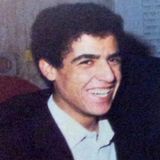
Mami's agile, high-register voice helped bring Algerian raï into modern international pop. His collaboration with Sting on Desert Rose exposed the style to new audiences, while his own albums document a much longer career rooted in Oran's music. His vocal ornamentation remains an important feature of the genre's crossover era.

Savage combined experience in international songwriting and R&B with a career built inside Nigeria's contemporary pop industry. Kele Kele Love, Eminado and Somebody's Son show her versatility across club tracks and melodic ballads. Her sustained success helped expand the space available to women in a commercially competitive African pop scene.
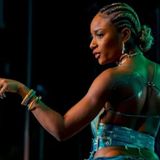
Born in Cotonou and raised in Nigeria and Benin, Ayra Starr gained a substantial audience through the album 19 & Dangerous and songs such as Bloody Samaritan. Rush and The Year I Turned 21 expanded her reach through a combination of confident songwriting and melodic flexibility. Her work belongs to the generation of African pop artists that emerged into a global streaming market. Origins and affiliation: Nigeria / Benin.

Tyla brought South African dance rhythms together with soft R&B vocals and mainstream pop songwriting. Water became a global breakthrough and won the inaugural Grammy for Best African Music Performance in 2024. Her self-titled album demonstrates how the amapiano-influenced pop sound can support more than one viral single.

Wande Coal's agile vocal runs and rhythmic precision became important features of the emerging Nigerian pop sound of the late 2000s. Mushin 2 Mo'Hits combined R&B singing with local club rhythms and production from the Mo'Hits team. His vocal style has been an enduring influence on younger Afrobeats singers.

Mr Eazi's musical identity developed between Nigeria and Ghana, combining relaxed vocal melodies with Ghanaian rhythmic influences. Skin Tight and the mixtape Life Is Eazi, Vol. 1 – Accra to Lagos helped define that exchange. His emPawa Africa initiative has also supported emerging artists and producers.

Simi's clear, delicate voice and conversational songwriting made her a distinctive presence in Nigerian popular music. Jamb Question, Joromi and Duduke illustrate her ability to turn familiar personal experiences into memorable melodies. Her album Simisola established her reputation as a songwriter whose work can stand apart from dance-floor trends.
Adekunle Gold first became widely known through Sade, a reinterpretation of One Direction's Story of My Life, and the album Gold. His early songs combined Yoruba-inflected highlife and acoustic pop before Afro Pop, Vol. 1 introduced a more electronic, dance-oriented sound. His career shows the adaptability of Nigerian melodic songwriting.

Asake developed a recognisable sound combining Yoruba vocal expression, choral responses and amapiano-influenced production. Mr. Money with the Vibe and Work of Art helped establish his reputation through full-length projects rather than isolated singles. His recordings show the continued influence of Nigerian street music on the wider pop industry.

CKay's production and songwriting mix gentle melodic lines with Afrobeats rhythms and elements of R&B. Love Nwantiti, released in 2019, found a much larger international audience in the following years through remixes and online circulation. The song became an example of how an independently recognisable Nigerian pop sound could travel across languages.

Fireboy DML established himself through the melodic songwriting of Laughter, Tears & Goosebumps, particularly Jealous and What If I Say. Apollo and the international success of Peru expanded his audience without abandoning his R&B-inflected vocal identity. His music helped establish a softer, emotionally direct strand of contemporary Nigerian pop.

Omah Lay developed an intimate approach to Nigerian pop, pairing understated vocals with atmospheric production and candid lyrics. Get Layd introduced his distinctive sound, while Boy Alone expanded its emotional range. Songs such as Understand and Soso helped make vulnerability a recognisable part of contemporary Afrobeats songwriting.

Born in Paris and raised in Nigeria, Aṣa built a reputation through intimate songwriting, acoustic guitar and a voice that carries emotional detail without elaborate production. Jailer and Fire on the Mountain established her ability to address social concerns through accessible melodies. Albums including Beautiful Imperfection and Bed of Stone reveal the range of her writing beyond those early hits. Origins and affiliation: Nigeria / France.

Born in Bamako and raised in France, Aya Nakamura developed a musical language built around French slang, dance rhythms and memorable melodic hooks. Djadja and Pookie became major crossover hits, and Nakamura helped bring African-influenced urban pop to the centre of francophone music. Her career is primarily rooted in the French industry. Origins and affiliation: Mali / France.

Born in Kinshasa and raised in France, Gims emerged with the rap group Sexion d'Assaut before developing a solo career built around a striking singing voice. Subliminal and songs such as Bella and Sapés comme jamais took his melodic approach into francophone mainstream pop. His career illustrates the exchange between Congolese heritage and the French urban music scene. Origins and affiliation: DR Congo / France.

Timaya emerged with Dem Mama, a song reflecting experiences in Nigeria's Niger Delta, before developing a catalogue combining dancehall with local rhythmic styles. Plantain Boy and Bum Bum demonstrated his move toward wider club audiences. His longevity has made him an important link between the Nigerian pop scene of the 2000s and contemporary Afrobeats.
Born in Mogadishu and later based in Canada, K'Naan combined autobiographical rap with melodies and rhythmic ideas shaped by Somali and international music. Wavin' Flag became a global anthem, while albums such as Troubadour contain more intimate accounts of migration and conflict. His work connects the African diaspora to contemporary global hip-hop. Origins and affiliation: Somalia / Canada.

Massi developed a personal acoustic sound drawing on Algerian song, folk, rock and other musical traditions after moving to France. Raoui established her reputation through intimate singing and finely shaped melodies. Her later albums explore exile, identity and relationships while moving between Arabic and other languages.
Jouini helped shape modern Tunisian popular song through his oud playing, composition and combination of local and wider Mediterranean musical influences. Lamouni Elli Gharou Menni remains one of the melodies most closely associated with his work. His catalogue forms an important link between Tunisia's recorded musical heritage and its later popular traditions.
As a founding figure of Loketo, Mabélé helped give Paris-based soukous its fast, brightly produced dance-floor character. His exuberant vocals and choreography, combined with the group's electric guitars, found audiences across Africa and in Caribbean communities. His work represents the important contribution of Congo-Brazzaville to the international soukous movement.
Eusèbe Jaojoby became widely known as the King of Salegy through his development of a fast, electric dance-band sound rooted in northern Madagascar. His distinctive voice and extended rhythmic arrangements gave the style a powerful live presence. His long career helped popularise salegy throughout the island and introduced it to listeners abroad.
Ramzy built an international career as a percussionist, arranger and specialist in Egyptian rhythmic traditions. He worked on Peter Gabriel's Passion and with Jimmy Page and Robert Plant, while his own recordings explored rhythms associated with Egyptian dance. His work made these percussion traditions familiar in recording studios and concert settings far beyond Egypt.

Olamide established himself with Yoruba-language rap that combined street-level storytelling, humour and dance rhythms. Albums such as YBNL and Baddest Guy Ever Liveth marked his development from rapper to versatile popular songwriter. Through YBNL Nation, he also helped bring emerging Nigerian musicians into the mainstream.

After rising through Wenge Musica, Werrason established Wenge Musica Maison Mère and became a major force in the development of late-1990s and 2000s Congolese dance music. His productions combine vocal sections, extensive guitar-driven dance passages and energetic live presentation. The band became an important training ground for a new generation of Congolese performers.
Mpiana's career with Wenge Musica and his subsequent leadership of Wenge BCBG placed him at the centre of the transformation of modern Congolese music. His clear tenor and melodic writing were showcased on Feux de l'amour, which helped establish his independent reputation. His work balances romantic rumba with the collective intensity of ndombolo.
Cassper Nyovest built a major independent career through rap albums such as Tsholofelo and Refiloe. Doc Shebeleza became an early signature hit, while his Fill Up concert series demonstrated the scale of a domestic audience for South African hip-hop. Later recordings expanded his repertoire into dance-oriented styles.

Kiernan Forbes helped make South African hip-hop a dominant force in mainstream popular music. Albums including Levels and Touch My Blood featured inventive sampling, pop-oriented choruses and autobiographical writing. His work helped define the commercial sound of South African rap in the 2010s.
M.I Abaga helped establish a sustained album-oriented Nigerian rap audience through Talk About It and MI 2: The Movie. His storytelling, wordplay and collaborations made him an important figure in the development of locally produced English-language hip-hop. His work also opened opportunities for other rappers through the Chocolate City scene.
Kabza helped define amapiano through atmospheric keyboards, extended grooves and the deep rhythmic bass that distinguishes the genre. His solo projects and Scorpion Kings collaborations with DJ Maphorisa have brought the South African township sound to listeners across the world. His production catalogue also shows the breadth of the vocalist-led and instrumental sides of amapiano.

Sauti Sol developed a distinctive sound around close vocal harmonies, guitar and Kenyan popular music traditions. Sura Yako, Live and Die in Afrika and Suzanna show the group's transition from acoustic-oriented material to polished continental pop. Their work also helped expand the visibility of contemporary Kenyan songwriting and music production.

Chameleone was instrumental in expanding the reach of Uganda's modern popular music beyond national borders, singing in Luganda, Swahili and English. Mama Mia and Valu Valu illustrate his distinctive, textured voice and gift for melodic hooks. His success helped establish a regional market for East African pop during the early 2000s.

Kenzo developed a dance-oriented sound rooted in Ugandan popular music, with Sitya Loss becoming a viral international breakthrough. His songs often rely on direct melodies, expressive movement and rhythmic accessibility rather than complex production. His touring and collaborative work brought increased attention to Uganda's contemporary music industry.
Nasty C established himself with fluent English-language rap, technical flow and production influenced by both South African and American hip-hop. Bad Hair and Strings and Bling developed his reputation as a songwriter as well as a rapper. His international collaborations grew out of an already substantial domestic following.
Lutaaya developed a melodic Ugandan pop sound through recordings made both at home and abroad. Born in Africa remains associated with his musical identity, while his Christmas songs became a recurring part of Ugandan festive life. His later work and public advocacy around HIV/AIDS gave a deeply personal dimension to his legacy.
Founded in 1975, Afrigo Band maintained a distinctive live sound through horns, guitar, percussion and vocal arrangements drawing on Ugandan musical traditions and regional dance music. Its repertoire, including Jim, became familiar across generations of Ugandan listeners. Its longevity represents an important continuity between the country's live-band era and modern pop industry.
Sho Madjozi made her Tsonga heritage central to her musical and visual identity, combining multilingual rap with electronic dance music. Limpopo Champions League and John Cena earned audiences well beyond South Africa. Her style joins regional languages and traditions with the energy of contemporary club music.
Maphorisa has worked across South African dance styles and Nigerian pop through a career spanning production, DJing and collaborative projects. His work with Uhuru and later the Scorpion Kings partnership with Kabza De Small helped establish amapiano's commercial reach. His catalogue illustrates the importance of producers in shaping the sound of modern African popular music.

Focalistic's work combines Pretoria rap, multilingual street expression and amapiano's distinctive dance production. Ke Star with Vigro Deep became a major crossover hit, later receiving a remix with Davido. His recordings document the growing connections between South African club music and other African popular music scenes.

Alade's breakthrough with Johnny established her as a highly energetic singer and performer with appeal beyond Nigeria. Her albums have drawn on music from across the continent, incorporating multiple languages and collaborations in a deliberate pan-African approach. Her work and extensive touring helped broaden the visibility of women in contemporary African pop.
Shatta Wale transformed a career that began under the name Bandana into one of Ghana's most recognisable dancehall brands. Dancehall King and Gringo demonstrate his ability to combine an assertive vocal delivery with hooks aimed at a local audience. His collaboration with Beyoncé on Already brought his sound to a wider international public.

Stonebwoy built his reputation by moving between melodic reggae singing and dancehall's rapid rhythmic delivery. The album Epistles of Mama explored both sides of his musical identity, while Nominate with Keri Hilson extended his international collaborations. His 2015 BET award helped establish Ghanaian dancehall's visibility outside West Africa.

Tewodros Kassahun developed a widely recognised Ethiopian pop style through melodic songwriting, reggae influences and lyrics drawing on Ethiopian history and social experience. Yasteseryal and Tikur Sew became particularly prominent within Ethiopia and its diaspora. His recordings demonstrate the enduring importance of local-language songwriting in the country's modern music.
Master KG's production is grounded in the keyboard patterns and driving rhythms of Bolobedu house. Jerusalema, featuring Nomcebo Zikode, became a worldwide dance phenomenon, with its success reinforced by a widely shared dance challenge. Earlier recordings such as Skeleton Move demonstrate that his musical identity preceded the global hit.
Amakye Dede's forceful voice and energetic band performances helped sustain Ghanaian guitar-led highlife into the era of electronic production. Iron Boy and his extensive romantic repertoire demonstrate the drive and melodic appeal of his music. His long career connects generations of Ghanaian listeners and musicians.

Taha combined Algerian musical forms with punk, rock and electronic production, first with Carte de Séjour and later as a solo artist. Diwân revisited North African classics, while his version of Rock the Casbah made the exchange between Arabic music and Western rock explicit. His work was deeply shaped by the experience of migration and cultural identity. Origins and affiliation: Algeria / France.
Known as Kar Kar, Traoré became familiar to Malian listeners in the independence era through songs such as Mali Twist. His later acoustic recordings reveal an introspective guitarist and singer whose restrained melodies carry considerable emotional weight. His career bridges the beginnings of modern Malian popular music and its later international rediscovery.

Koité developed an individual acoustic guitar style drawing on musical traditions from different regions of Mali. Cigarette Abana helped establish his name, and albums with Bamada brought his finely balanced ensemble arrangements to international audiences. His work demonstrates how Malian musical diversity can be expressed within a single band.
Bassy's solo work often centres on the Bassa language, sparse instrumentation and a delicate falsetto. Akö and 1958 demonstrate a willingness to use unusual arrangements and historical themes rather than follow commercial pop formulas. His music illustrates the expressive possibilities of Cameroonian language and heritage in contemporary composition.
Petit Pays developed an exuberant, highly recognisable approach to Cameroonian makossa through prolific recording and theatrical stage presentation. His songs brought romantic themes and dance-floor rhythms together with an unmistakable vocal personality. His long popularity in Cameroon and neighbouring countries shows the reach of makossa as a regional pop tradition.
Traoré developed a voice and compositional style that combine Malian instruments with acoustic and electric guitar, while frequently departing from established ensemble conventions. Bowmboï and Tchamantché trace her development from traditional textures to a more experimental sound. Her understated phrasing gives equal importance to melody, rhythm and silence.
Diawara combined Wassoulou-inspired melodies with electric guitar, acoustic arrangements and contemporary songwriting. Her albums Fatou and Fenfo explore personal experience and social questions through a distinctive voice and guitar sound. Her collaborations across musical traditions have extended the visibility of modern Malian music.
Aïcha Koné established herself through a repertoire rooted in Mandé vocal traditions and modern Ivorian orchestral music. Her strong, expressive singing found audiences beyond Côte d’Ivoire, especially in francophone West Africa. Her long recording career helped carry Mandé musical expression into the mainstream of African popular song.
Kouyaté expanded the musical possibilities of the ngoni, an ancient West African lute, by developing ensembles that foreground the instrument in different registers. His recordings with Ngoni Ba, including Segu Blue, balance intricate traditional phrasing with contemporary amplification and arrangements. His career has helped renew interest in the instrument among younger musicians.
Jobarteh established herself as a kora virtuoso and singer in a tradition in which professional instrumental performance has historically been associated predominantly with men. Fasiya presents her own compositions through kora, guitar, percussion and voice. Her work in performance and music education connects a family musical inheritance to new generations of listeners. Origins and affiliation: The Gambia / United Kingdom.

Robert Kyagulanyi emerged from Kampala's popular music scene with a distinctive mix of dancehall, reggae and Luganda songwriting. Songs such as Kyarenga and his earlier collaborations combine direct melodies with stories drawn from everyday urban life. His later political career is separate from his significant contribution to the development of modern Ugandan popular music.

Alikiba established his reputation through romantic Swahili songs and an expressive vocal style that became closely associated with bongo flava. Cinderella, Mwana and Aje illustrate his ability to give a memorable melodic line emotional depth without excessive production. His longevity has made him a central figure in Tanzanian pop's development across successive eras.

Harmonize emerged through Tanzania's Wasafi scene, developing a melodic style with strong Swahili-language hooks. Aiyola and the Afro Bongo EP established his regional profile, before he built his own Konde Music Worldwide label. His work reflects the increasingly close exchange between bongo flava and West African pop.
Ejigayehu Shibabaw, known as Gigi, brought Ethiopian vocal traditions into arrangements featuring jazz, electronic production and international session musicians. Her self-titled album and later projects reveal her ability to maintain the distinct melodic shape of Ethiopian song in very different instrumental settings. Her work is an important example of contemporary Ethiopian music in the diaspora.
Established in Nairobi by musicians from the East African dance-band scene, Les Wanyika helped develop a relaxed, guitar-led style of Swahili rumba. Sina Makosa and Paulina became lasting regional favourites, combining close vocal harmonies with flowing instrumental passages. The band's history illustrates how Kenyan and Tanzanian music developed through shared urban performance circuits. Origins and affiliation: Kenya / Tanzania.

Judith Wambura, known as Lady Jaydee, helped establish women as major stars of Tanzania's bongo flava scene. Her albums and singles combined Swahili songwriting with soul, R&B and dance-oriented production. Her career provided an influential example for female performers in East Africa's emerging commercial music industry.
As the Goodlyfe duo, Mowzey Radio and Weasel combined melodic singing with a rougher dancehall delivery to create one of Uganda's most influential contemporary pop partnerships. Nakudata, Bread and Butter and Magnetic helped define their contrasting vocal identities. Their catalogue remained important to East African popular music after Radio's death in 2018.
Issah Mmari, known as E-Sir, made multilingual Kenyan urban rap a defining element of his short recording career. His posthumously released album Nimefika includes songs that became enduring favourites in Kenya's early-2000s music scene. His inventive Swahili and Sheng delivery influenced later artists despite his death at a young age.
David Mathenge helped establish the sound and visual identity of Kenya's emerging urban music industry in the late 1990s and 2000s. Megarider and later songs such as Butterfly illustrate his combination of catchy melodies, playful writing and modern production. His sustained career connects the early commercial Kenyan pop scene with its subsequent development.
Mkandawire developed a deeply personal approach to music that brought Malawian languages, rhythmic traditions and jazz into the same ensemble. His recordings and performances established him as an important figure in Malawi's contemporary music. His work offered an alternative to measuring African musical achievement exclusively through commercial pop success.
Wazimbo became one of the prominent voices of Mozambique's marrabenta tradition through work with Orchestra Marrabenta Star de Moçambique. Nwahulwana, a reflective song built around his unmistakably expressive voice, found renewed international attention years after its original recording. His wider work preserves the rhythmic vitality of Mozambique's urban dance music.
Sukuma developed a modern Mozambican sound by combining marrabenta and other local rhythms with contemporary pop and jazz-influenced arrangements. His career includes extensive live performance and collaborations across southern Africa. He has also been an important advocate for the visibility of Mozambican musical culture outside its home market.
Ernest Randrianasolo, known as D'Gary, developed an extraordinary fingerstyle guitar technique shaped by the musical traditions of southern Madagascar. His interlocking patterns can suggest several instruments even when played on a single guitar. Recordings such as Malagasy Guitar demonstrate the depth and individuality of Madagascar's acoustic musical inheritance.
Rossy combined Malagasy rhythms, percussion and traditional instruments with contemporary popular production. His energetic live performances and recordings helped present a recognisably Malagasy musical identity to international audiences. His work is particularly notable for treating local musical forms as a foundation for innovation rather than as museum pieces.
Mengisteab's singing and krar playing made him one of the important voices of modern Eritrean music. His work spans romantic songs, social commentary and music associated with the country's national history. His long recording career reflects the enduring power of Tigrinya-language musical traditions across the Horn of Africa.
Hudeidi's oud playing and composition earned him widespread recognition in Somali musical circles. He worked with major Somali singers, helping shape the instrumental language of modern Somali poetry and song. His long career in Somalia and abroad helped sustain the tradition among diaspora communities.
Mursal developed a style joining Somali song with jazz, soul and other contemporary influences. Her international album The Journey reflected experiences of displacement while retaining the expressive character of Somali-language singing. Her work helped introduce audiences outside the Horn of Africa to the diversity of Somali popular music.
No entries from this region on this list yet.
About this ranking
From the sounds that filled dance halls and radio stations across Africa to the artists taking African music to new audiences around the world, this list celebrates the musicians whose recordings, performances and originality have shaped generations. Discover the stories behind the music and vote for the artists whose work has made a lasting impression on you.
Greatness needs a longer listening window
This ballot covers African musicians across generations, countries and musical traditions. Current popularity can introduce a listener to an artist, but it cannot by itself answer an all-time question. Compare a body of recordings, the quality of performance, musical invention and the influence that remains after a particular release cycle.
Fela Kuti, Miriam Makeba, Franco, Umm Kulthum and Hugh Masekela belong in the same conversation as the musicians currently reaching new audiences. Their work is not background material to be acknowledged before returning to today's charts. It is part of the central argument. Readers should be able to move between older catalogues and contemporary releases without a streaming total deciding in advance what matters.
Different traditions make different demands
Congolese rumba asks a listener to follow the relationship between a voice, a guitar part and an orchestra. Franco, Tabu Ley Rochereau and Papa Wemba provide different routes into that history. Highlife, Afrobeat, mbalax and South African jazz bring other relationships between composition, instrumental playing and performance. Judge the musical decisions within a tradition rather than requiring every artist to resemble a current solo pop star.
North African and Arabic-language music also belongs in an African all-time ballot. Umm Kulthum, Mohammed Abdel Wahab, Abdel Halim Hafez and Warda should not lose their place because a reader's usual playlist is organised around Anglophone or Francophone pop. Ethiopia's Mulatu Astatke, Mahmoud Ahmed and Tilahun Gessesse broaden the field in another direction. The names and their recordings are starting points for listening, not claims that a few performers represent an entire country.
Give recent careers a fair comparison
Burna Boy, Wizkid, Davido, Tems, Rema and other contemporary musicians remain eligible. A current artist can make exceptional work; a long career does not automatically make every recording valuable. The distinction is between judging that work and treating today's attention as proof of an all-time position. An older musician should not win by age alone, and a newer musician should not win by visibility alone.
What your vote can recognise
Listen for an identifiable musical voice, the strength and variety of the catalogue, the quality of the singing or playing, and ideas other musicians have taken further. Some readers will value an album, others a live performance or a long sequence of recordings. Those are arguments worth making through the vote. Awards and audience numbers can offer context where sourced; they do not act as a hidden formula for the ranking.
The opening order has been reviewed to give historical careers a substantive place. It is not an official verdict on African music. Reader votes continue to determine the displayed order, and the country and genre ballots provide more focused comparisons when the overall field is too broad.
Read the argument
Think someone is missing from this list?
Suggest an entry and we'll review it for inclusion.