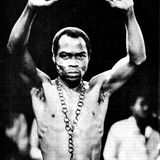

As 2Face Idibia, he helped move Nigerian pop from the Plantashun Boyz era into a nationally dominant industry. Face 2 Face and Grass 2 Grace supplied enduring love songs and social commentary. His songwriting, distinctive voice and appeal across Nigerian regions made him a model for the next generation of pop singers. Selected works: African Queen; If Love Is a Crime; True Love; Implication.
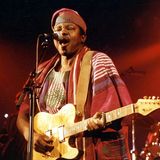
King Sunny Adé made guitar-driven jùjú an institution of Nigerian social life, especially at Yoruba celebrations. His large band, talking drums, steel guitar and layered arrangements expanded the sound of the genre. International recognition complemented a domestic career that had already made him a major bandleader. Selected works: Syncro System; Juju Music; Merciful God; Easy Motion Tourist.
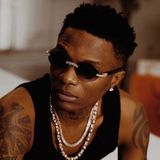
Wizkid emerged from Lagos with Superstar, becoming a defining voice of the generation that grew up with Nigerian pop on radio and television. Ojuelegba connected his Lagos roots to a broad audience, while Made in Lagos demonstrated the international reach of a sound built through years of Nigerian hits. Selected works: Holla at Your Boy; Ojuelegba; Pakurumo; Essence.

Davido established himself with Dami Duro and a succession of singles that became staples at Nigerian parties. His combination of exuberant hooks, melodic songwriting and collaborations helped make Nigerian pop a continental force. Through DMW, he also provided a platform for emerging performers. Selected works: Dami Duro; Aye; Skelewu; If; Fall.
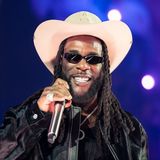
Burna Boy's Port Harcourt connections, dancehall influences and engagement with older African sounds helped distinguish him within Nigerian pop. African Giant and Twice as Tall extended a domestic career that began with records such as Like to Party. His albums and live performances helped enlarge the worldwide audience for Nigerian music. Selected works: Like to Party; Ye; On the Low; Last Last; Twice as Tall.
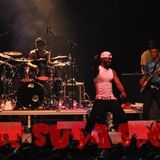
Peter and Paul Okoye built one of the defining Nigerian pop acts of the 2000s. Their harmonies, choreography, self-produced visual identity and albums such as Get Squared and Game Over made them a major attraction across Africa. This entry covers the brothers' collective work rather than their separate solo careers. Selected works: Busy Body; No One Like You; Do Me; Personally; Chop My Money.
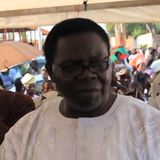
Chief Commander Ebenezer Obey made jùjú a vehicle for Yoruba proverbs, moral instruction, praise and celebration. With his International Brothers and later Inter-Reformers, he developed a rich guitar-band style that remains closely associated with ceremonies, family gatherings and the record collections of older Nigerians. Selected works: The Horse, the Man and His Son; Board Members; Miliki Sound.

The Kokomaster was a central figure in the Mo' Hits era, when Nigerian-produced pop increasingly displaced imported music in domestic clubs and on radio. His partnership with Don Jazzy combined humour, harmonica, energetic performance and memorable hooks. The Entertainer captures the scale of his influence on that period. Selected works: Tongolo; Why Me; Fall in Love; Oliver Twist.

Olamide made Yoruba-language rap and Lagos street expression central to mainstream Nigerian pop. His prolific catalogue combines hard rap, party records and reflection on everyday aspirations. As founder of YBNL, he also helped develop artists including Adekunle Gold, Fireboy DML and Asake, extending his influence beyond his own recordings. Selected works: Eni Duro; First of All; Bobo; Wo; Baddest Guy Ever Liveth.
Chief Stephen Osita Osadebe developed an expansive, patient highlife sound rooted in Igbo social life. His band's flowing guitars, horns, proverbs and extended dance arrangements made his music a fixture of celebrations in southeastern Nigeria. Osondi Owendi remains a touchstone for subsequent highlife musicians. Selected works: Osondi Owendi; Kedu America; Kwue Nkeyi.
Ayinde Barrister was instrumental in turning the Yoruba Muslim wake-up singing tradition of wéré or ajisari into commercial fújì. His percussion-heavy ensembles, lengthy recordings and topical lyrics developed a genre that became central to southwestern Nigerian popular culture and influenced later street-pop musicians. Selected works: Fuji Garbage; Fuji Explosion.
Sir Victor Uwaifo combined Benin musical traditions with virtuoso electric guitar, highlife and inventive stage presentation. His records carried Edo cultural expression to a national and wider African audience. Joromi and Guitar Boy are lasting examples of a musician whose identity was inseparable from instrumental innovation. Selected works: Joromi; Guitar Boy; Akuete (also spelled Akwete).
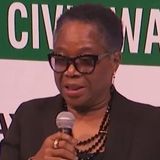
Known as the Elegant Stallion, Onyeka Onwenu became a major Nigerian voice through recordings that addressed love, national unity, family life and women's concerns. Her ability to move between Igbo and English-language music gave her a wide audience, while her stage presence helped expand opportunities for Nigerian women in popular music. Selected works: One Love; Ekwe; You and I; Iyogogo.
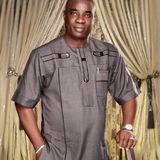
Known as K1 De Ultimate and KWAM 1, Wasiu Ayinde brought fújì into new social and commercial settings after beginning his career in Barrister's musical circle. His band arrangements and catalogue helped keep the genre central to Yoruba celebrations and made it accessible to successive generations of Nigerian listeners. Selected works: Talazo '84; Consolidation; Ultimate.
Oliver Sunday Akanite became an emblem of eastern Nigerian highlife through intricate guitar playing, ogene rhythms and songs about identity, achievement and social relationships. His Expo '76 band created a sound closely associated with Igbo celebrations and the post-civil-war revival of guitar-band highlife. Selected works: Identity; Biri Ka Mbiri; People's Club of Nigeria.
Majek Fashek established a distinctly Nigerian voice in roots reggae through expressive guitar, spiritual imagery and songs addressing suffering and African unity. Send Down the Rain became a national anthem of its era. His work demonstrated that Nigerian reggae could command a substantial audience without losing its local character. Selected works: Send Down the Rain; So Long Too Long; Prisoner of Conscience.

9ice brought Yoruba proverbs, distinctive vocal phrasing and fújì-inflected melodies into the centre of 2000s Nigerian pop. Gongo Aso became a defining album of its era, while collaborations with rappers showed how indigenous-language songwriting could coexist with modern studio production and reach audiences beyond its linguistic base. Selected works: Gongo Aso; Street Credibility; Photocopy; Wedding Day.

Tiwa Savage helped establish a new generation of female Nigerian pop stars through a catalogue combining R&B songwriting with dance-oriented African rhythms. Her work with Mavin and later independent projects produced enduring domestic hits, while her success widened the commercial space available to women in contemporary Afrobeats. Selected works: Kele Kele Love; Eminado; All Over; Somebody's Son.
Haruna Ishola was a towering figure in apala, developing its resonant lead singing, percussion and call-and-response into a commercial Yoruba music tradition. His performances combined praise, religious sensibility, social observation and proverbs. His legacy is audible in fújì and in contemporary artists drawing on older Yoruba rhythms.
Cardinal Rex Jim Lawson helped define the brass-band highlife of Nigeria's independence era. Drawing on the multilingual coastal environment of the Niger Delta, he created a repertoire that travelled across ethnic and national boundaries. His recordings remain foundational to the highlife tradition despite his short career. Selected works: Sawale; Love Adure; Bere Bote.

Flavour brought Igbo highlife into contemporary Nigerian pop through guitar-led dance music, vocal harmonies and songs suited to weddings and celebrations. His work draws directly on older eastern Nigerian music while introducing it to younger African audiences, making him a bridge between generations of highlife performers. Selected works: Nwa Baby; Oyi; Ada Ada; Ashawo; Ijele – The Traveller.
M.I Abaga helped make Nigerian rap commercially viable without abandoning detailed lyricism and storytelling. Emerging from the Jos music community, he built a national audience with Talk About It and MI 2. His Chocolate City years and collaborations helped establish a generation of Nigerian rappers. Selected works: Talk About It; MI 2: The Movie; Safe; Undisputed.
Alhaji Mamman Shata was a central figure in Hausa musical history, using improvisation, praise poetry, humour and kalangu drumming to communicate with audiences across northern Nigeria. His recordings documented social relationships and public life in Hausa. His cultural importance cannot be measured adequately by modern streaming statistics.
Nigeria's Lady of Songs built a multilingual career at a time when women had comparatively limited access to the popular music industry. Her recordings crossed regional boundaries and combined personal feeling with social themes. She also became an important figure in the organisation of Nigerian musicians. Selected works: Seun Rere; Ever Liked My Person; Iya Mi.
Sir Shina Peters revitalised jùjú for a younger party-going audience through fast percussion, electric guitar and energetic dance arrangements. Ace and Shinamania became defining records of the late 1980s and early 1990s. His Afro-jùjú style helped bridge older Yoruba band music and modern urban dance culture. Selected works: Ace; Shinamania; Ijo Shina.

Wande Coal's vocal agility and melodic instincts helped establish a template for modern Nigerian pop singing. Mushin 2 Mo' Hits brought together street expression, R&B technique and dance production in a nationally successful album. Later singers repeatedly drew on the musical possibilities he demonstrated. Selected works: Bumper to Bumper; You Bad; Ololufe; Iskaba.
Adamu Wayya, better known as Dan Maraya Jos, used the single-string kuntigi and Hausa poetry to address ordinary work, mortality, morality and social responsibility. His association with Jos and the wider north made him an important voice of everyday Nigerian life, with a repertoire that reached well beyond elite praise singing.
General Kollington Ayinla was among the bandleaders who established fújì as a major commercial genre alongside Ayinde Barrister. His forceful vocal delivery, extensive catalogue and highly public musical rivalry with contemporaries shaped the competitive culture of fújì and its popularity among southwestern Nigerian audiences.
The trumpeter and bandleader Victor Olaiya helped establish highlife as the sound of independence-era urban Nigeria. His All Stars Orchestra performed for major national occasions, and his dance-band arrangements nurtured the musicianship that later generations adapted into Afrobeat and other Nigerian popular styles. Selected works: Baby Jowo; Omo Pupa; Mofe Muyon.

Timaya emerged from the Niger Delta with a sound that combined dancehall, Nigerian pidgin and personal accounts of hardship. From True Story to later club records, he repeatedly adapted to changing pop tastes while retaining a recognisable vocal identity. His early hits brought his regional experience into national conversation. Selected works: Dem Mama; Plantain Boy; Bum Bum; Ukwu.
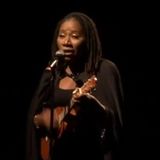
Aṣa brought reflective songwriting, guitar-based arrangements and Yoruba and English lyrics to an industry increasingly dominated by club music. Her debut album established an alternative path for Nigerian singers, with songs about justice, relationships and personal identity that developed a durable audience at home and abroad. Selected works: Jailer; Fire on the Mountain; Bibanke; Eye Adaba.
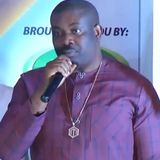
Don Jazzy helped define the production sound of Nigerian commercial pop through Mo' Hits and later Mavin Records. His bass lines, backing vocals and artist development were integral to records by D'banj, Wande Coal and subsequent label acts. His inclusion reflects the creative contribution of producers as musicians. Selected works: The Entertainer (production); Mushin 2 Mo' Hits (production); Dorobucci.
DJ Jimmy Jatt helped develop Nigeria's early hip-hop infrastructure by showcasing local talent, organising performances and bringing rap to club and radio audiences. His compilation projects connected established and emerging performers. His inclusion recognises the musical role of DJs in building the country's contemporary urban music culture. Selected works: Stylee; The Definition; The Industry.

Lagbaja combined Yoruba percussion, saxophone, humour and social commentary in a theatrical musical identity built around his mask. His performances at the Motherlan' venue and recordings in several styles offered a recognisably Nigerian alternative to conventional pop. The mask also became an enduring symbol of collective identity. Selected works: Konko Below; Never Far Away; Nothing for You.
Ayinla Omowura made apala a vivid record of everyday Yoruba social life through sharp proverbs, topical commentary and distinctive rhythmic phrasing. His music reached working-class audiences through radio, records and live performances. His catalogue remains culturally important to contemporary musicians revisiting apala and older indigenous sounds.
Wasiu Alabi Pasuma built a strong following from the Mushin fújì scene and helped extend the genre into contemporary youth culture. His energetic live performances and willingness to collaborate with hip-hop and pop artists made him an important bridge between traditional fújì audiences and newer Nigerian music markets. Selected works: Orobokibo; Recognition; American Wonder.
The Oriental Brothers helped rebuild eastern Nigerian popular culture after the civil war with guitar-driven highlife, Igbo lyrics and extended dance arrangements. Their classic recordings, particularly those associated with vocalist Sir Warrior, remain central to the band's reputation. This entry includes Sir Warrior's defining work with the group.
Phyno established Igbo-language rap as a major national commercial force, combining regional slang with technically assured verses and modern production. No Guts No Glory and his partnerships with Olamide helped expand the audience for indigenous rap. Later songs also drew directly on southeastern highlife and celebratory music. Selected works: Ghost Mode; Man of the Year; Alobam; Fada Fada.
Dagrin made Yoruba and Nigerian pidgin street narratives central to a new era of domestic hip-hop. His album Chief Executive Omoita connected rap with the lives and ambitions of young Nigerians outside elite circles. Although his career ended early, his influence on subsequent indigenous rappers was substantial. Selected works: Pon Pon Pon; Kondo; Democracy; Chief Executive Omoita (C.E.O.).
Born in Abakaliki to Nigerian and Cameroonian parents, Prince Nico Mbarga led Rocafil Jazz and created one of Africa's enduring tributes to motherhood. Sweet Mother became a household favourite across Nigeria and neighbouring countries. His blend of highlife and Central African guitar influences exemplifies Nigeria's cross-border musical heritage. Selected works: Sweet Mother; Aki Special.
Sonny Okosuns used his Ozziddi sound to combine Nigerian rhythms, rock and reggae with messages about African liberation and national development. His protest songs connected domestic audiences to struggles elsewhere on the continent. He later extended his career into gospel without losing his association with socially conscious music. Selected works: Fire in Soweto; Which Way Nigeria?; Papa's Land.
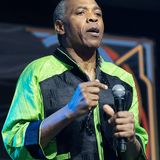
Femi Kuti established his own Afrobeat identity through Positive Force, using saxophone, dense percussion and songs confronting corruption and social inequality. His performances at the New Afrika Shrine kept live-band Afrobeat connected to Lagos audiences while attracting listeners beyond Nigeria. His catalogue demonstrates an independent evolution of the family tradition. Selected works: Beng Beng Beng; Sorry Sorry; Shoki Shoki.

Yemi Alade turned the success of Johnny into a sustained career across Africa's English-, French- and Swahili-speaking markets. Her dance-led live performances, fashion and multilingual recordings express a deliberately African pop identity. Her work helped Nigerian female pop become more visible across the continent. Selected works: Johnny; Tangerine; Africa; Oh My Gosh.

Kizz Daniel developed a reputation for consistent Nigerian radio and party hits through his melodic writing and recognisable vocal phrasing. From Woju to later records such as Buga with Tekno, he maintained mainstream relevance across changing production trends. His music has a strong domestic social and dance-floor identity. Selected works: Woju; Yeba; One Ticket; Buga (with Tekno); Cough (Odo).
Queen Salawa Abeni brought waka to a mass commercial audience through her powerful singing, Yoruba poetry and distinctive percussion ensembles. Her early success as a young female bandleader expanded the possibilities for women in indigenous Nigerian music. Her work remains closely associated with Yoruba Muslim celebrations and social occasions. Selected works: Late General Murtala Ramat Mohammed; waka catalogue.
Tope Alabi developed a distinct form of Yoruba gospel through her work in theatre, film soundtracks and devotional recordings. Her use of indigenous praise language and poetic imagery has made her music familiar in churches and homes. Her catalogue connects Nigeria's commercial gospel industry with older Yoruba expressive traditions. Selected works: Angeli Mi; Agbelebu; Ore ti o Common.

Rema emerged from Benin City with melodic experiments that combined Nigerian pop with trap and other contemporary influences. His early success and later albums helped define a younger Afrobeats generation. HEIS also foregrounded a harder rhythmic approach and Edo cultural references, reinforcing his connection to Nigerian musical identity. Selected works: Dumebi; Woman; Calm Down; HEIS.
Ras Kimono used reggae to address poverty, inequality and social injustice in a Nigerian setting. Under Pressure became a defining album of the local reggae boom, mixing Jamaican-derived rhythm with Nigerian pidgin and experience. His work remains a reminder of the strength of reggae in Nigeria before the Afrobeats era. Selected works: Under Pressure; Rumba Stylee; What's Gwan?.

Asake fused Yoruba street expression, fújì-influenced singing, massed backing vocals and amapiano-derived rhythms into a distinctive mainstream style. Mr. Money With the Vibe and Work of Art established him as a defining artist of the 2020s Nigerian pop era, with an unusually concentrated run of domestic hits. Selected works: Omo Ope; Sungba; Joha; Lonely at the Top.
Gentleman Mike Ejeagha preserved Igbo folktales, idioms and moral lessons through narrative guitar highlife. His recordings served as an accessible oral archive for several generations. The renewed popularity of the Gwogwogwongwo refrain in 2024 demonstrated how an older Nigerian catalogue could find a new audience without losing its cultural meaning. Selected works: Ka Esi Le Onye Isi Oche; Onye Ori Utaba; Uwa Mgbede Ka Mma.

Sound Sultan was a distinctive songwriter whose humour and social observation made Nigerian pop a vehicle for discussing education, migration, national identity and governance. His ability to write accessible choruses around serious subjects earned him a durable place in the 2000s music scene and influenced younger performers. Selected works: Jagbajantis; Motherland; Mathematics; Bushmeat.
Celestine Ukwu developed a reflective style of highlife grounded in philosophical observations about life, wealth and human relationships. His Philosophers National band combined understated singing with carefully arranged instrumental passages. His post-independence recordings are an important reference point for the intellectual and lyrical depth of eastern Nigerian music. Selected works: Ije Enu; Igede; Money Palaver.
The Peacocks helped develop the guitar-band sound that became an important part of southeastern Nigeria's popular music after independence. Their best-known recording, Eddie Quansa, remains associated with the musical culture of that era. The band represents the collective musicianship behind many enduring Nigerian highlife records.
Ali Chukwuma contributed to the post-civil-war expansion of Igbo highlife, combining extended guitar arrangements and lyrical commentary rooted in community life. His band helped sustain the record and performance culture through which eastern Nigerian highlife developed a large audience. His music belongs alongside other major guitar-band traditions of that period.

Tems built a distinctive voice in Nigerian alternative music through restrained production, deep vocal tone and introspective songwriting. Her early independent work gained a domestic audience before collaborations such as Essence introduced her to wider markets. Her success broadened the range of Nigerian sounds recognised as commercially viable. Selected works: Try Me; Free Mind; Damages; Love Me JeJe.
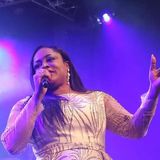
Sinach became a major Nigerian gospel songwriter through church-based worship music that reached congregations across Africa. Way Maker and I Know Who I Am have been adopted by churches well beyond her original audience. Her career demonstrates the importance of Nigeria's worship music industry alongside secular popular music. Selected works: Way Maker; I Know Who I Am; Great Are You Lord.
Saheed Osupa is particularly associated with the lyrical and philosophical side of fújì, using Yoruba proverbs and elaborate verbal improvisation over percussion-driven arrangements. His performances and extensive recordings have sustained a substantial following, particularly among listeners who value indigenous language and competitive live-band musicianship. Selected works: Mr. Music; Reliable; Fuji Fadisco.
Bobby Benson helped establish professional dance-band culture in urban Nigeria, blending jazz, highlife and other popular forms. His orchestra and entertainment ventures created opportunities for musicians who later became bandleaders in their own right. Taxi Driver remains an enduring example of early Nigerian commercial highlife.
Isaiah Kehinde Dairo helped transform jùjú from a comparatively small ensemble tradition into commercially successful band music. His use of accordion, Yoruba percussion and multiple Nigerian musical influences broadened the genre's audience. His Blue Spots recordings are a foundational reference for the generation of jùjú bandleaders who followed.
Chief Inyang Henshaw helped establish a distinctive Efik-language highlife tradition in southeastern coastal Nigeria. His band's recordings connected local dance rhythms, language and guitar-based popular music. His work illustrates the diversity of Nigerian highlife beyond the better-known Yoruba and Igbo bandleaders.
Eddy Okonta was an important trumpeter and bandleader in the early Nigerian highlife scene. His ensemble work linked brass-band arrangements with local dance music and contributed to the sound of urban entertainment around independence. He represents the instrumental foundation from which later Nigerian popular genres developed.
Duncan Mighty established a strong regional identity through songs rooted in Port Harcourt and the Niger Delta. His catalogue blends highlife, dancehall and local-language phrasing, making him a major example of success outside Lagos-centred pop culture. Later collaborations renewed national attention to a career already established in the south. Selected works: Obianuju; Port Harcourt Son; Ijeoma; Ako Na Uche.
Bongos Ikwue developed a gentle, reflective musical identity through folk, soul and country-influenced arrangements. His association with Otukpo and the Middle Belt is an important part of a career that reached audiences nationwide. His songs and television soundtrack work remain familiar to generations of Nigerian listeners. Selected works: Cock Crow at Dawn; Still Searching; What's Gonna Be Gonna Be.
Evi-Edna Ogholi became one of Nigeria's most recognisable female reggae singers through melodic songs in English and Isoko. Her music addressed social relationships, national concerns and celebration. The continued use of Happy Birthday in Nigerian homes and gatherings illustrates the everyday cultural reach of her catalogue. Selected works: Happy Birthday; Obaro; One Kilometre.
Funmi Adams became familiar to Nigerian listeners through songs emphasising national unity, family and social values. Her multilingual and accessible songwriting reached audiences through radio and television. Her catalogue represents a period when music written for national and community themes formed a visible part of mainstream Nigerian entertainment. Selected works: All We Need Is Love; Nigeria My Beloved Country.
Obesere expanded fújì's youth appeal through irreverent humour, slang, energetic performance and unconventional presentation. His records became part of Yoruba popular expression, while the revival of Egungun Be Careful as an internet phenomenon introduced younger listeners to his earlier work. His style reflects fújì's capacity for reinvention. Selected works: Egungun Be Careful; Asakasa.
Known as KS1 Malaika, Sulaimon Alao developed a distinctive place in the competitive fújì scene through melodic praise singing and live percussion ensembles. His recordings and performance career have sustained the genre's visibility among younger Yoruba audiences. He represents a generation that built on the foundations of Barrister and Kollington.
Tunde King was a formative figure in early Lagos jùjú, developing a guitar-based ensemble sound rooted in the city's social life and Yoruba musical expression. His surviving recordings document the beginnings of a genre that later produced some of Nigeria's most celebrated bandleaders. His importance is primarily historical and foundational.
Orlando Owoh's gravelly voice and guitar-led toye music gave southwestern Nigerian highlife a distinctive identity. His lengthy recordings explored relationships, hardship, social behaviour and everyday experience. He built a loyal audience through an approach that stood apart from both mainstream jùjú and later commercial fújì. Selected works: Iyawo Asiko; Kangaroo; Yellow Sisi.
Panam Percy Paul helped popularise contemporary Nigerian gospel from his base in Jos, combining congregational worship with keyboard-led arrangements and an energetic performance style. His songs travelled through church networks and Christian gatherings throughout the country, making him a significant figure in the development of modern Nigerian gospel. Selected works: Bring Down the Glory; You Are the Living Water.
Bright Chimezie developed Zigima, a dance-oriented sound combining Igbo rhythms, highlife guitar and humorous social commentary. His theatrical stage movements and songs addressing language and identity gave him a distinctive place in southeastern music. His repertoire continues to connect older highlife audiences with younger Nigerian pop performers. Selected works: African Style; Because of English; Respect Africa.
Styl-Plus developed a distinctive Nigerian R&B sound through harmonies, romantic songwriting and polished production. Their Abuja-associated rise showed that the emerging pop industry extended beyond Lagos. Olufunmi and their other love songs remain important touchstones for the generation that came of age in the 2000s. Selected works: Olufunmi; Imagine That; Runaway; Call My Name.
Paul Play Dairo helped shape the early Nigerian pop industry through production, smooth R&B vocals and songs that adapted older Yoruba musical influences to contemporary arrangements. The son of I.K. Dairo developed a career in his own right, with recordings that became important references for Nigerian romantic pop. Selected works: Mo So Rire; Forever; Angel of My Life.
Banky W brought polished R&B songwriting into mainstream Nigerian pop and helped build Empire Mates Entertainment into an important platform for artists including Wizkid and Skales. His solo catalogue captured urban romance and Lagos nightlife, while his business work supported the development of Nigeria's modern music industry. Selected works: Strong Thing; Lagos Party; Yes/No; Made for You.
Sunny Neji blended contemporary highlife with pop songwriting to create accessible music about love, commitment and social relationships. Oruka became particularly associated with Nigerian weddings. His records helped maintain the relevance of highlife-based melodies during the early expansion of the country's R&B and hip-hop industry. Selected works: Oruka; Mr Fantastic; Face Me.
J. Martins blended southeastern Nigerian melodic influences with dance-oriented pop and production. His collaborations and solo singles became familiar across West and Central Africa, particularly during the late 2000s. His career illustrates the regional creative exchanges that made Nigerian pop a continental industry before the streaming era. Selected works: Good or Bad; Oyoyo; Jupa; Touchin Body.
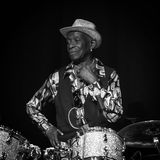
Tony Allen was the drummer whose rhythmic inventions helped shape Afrobeat alongside Fela Kuti. His ability to combine several independent patterns in one performance became foundational to the genre. His later solo records and collaborations established a separate musical legacy in jazz and experimental music. Selected works: Expensive Shit (with Fela); No Discrimination; Film of Life.
Daddy Showkey emerged from Ajegunle with galala, a street dance and music culture that made working-class Lagos communities visible in national entertainment. His distinctive dance moves, pidgin lyrics and neighbourhood pride helped establish a model for later Nigerian street-pop stars. Selected works: Dyna; Ghetto Soldier; Somebody Call My Name.
African China emerged from the Ajegunle music environment with songs addressing hardship, inequality and public accountability. His pidgin lyrics and dancehall-influenced rhythms made social commentary accessible to mainstream Nigerian listeners. His catalogue provides an important record of the concerns reflected in popular music during the early 2000s. Selected works: Mr President; Crisis; No Condition Is Permanent.
Adewale Ayuba developed a polished, dance-oriented approach to fújì often associated with his Bonsue style. His album Bubble helped connect fújì with younger and more cosmopolitan audiences. His presentation showed how the genre could adapt to modern entertainment without abandoning its percussion-led Yoruba foundations.

Patoranking established a contemporary Nigerian dancehall identity rooted in Lagos street life, melodic hooks and Caribbean influences. Alubarika and subsequent hits helped make dancehall a consistent part of the mainstream pop scene. His records frequently celebrate resilience and aspiration alongside love and nightlife. Selected works: Alubarika; Girlie O; My Woman, My Everything; Celebrate Me.
Eedris Abdulkareem helped popularise Nigerian hip-hop through The Remedies and his subsequent solo career. His direct pidgin and English-language lyrics tackled corruption, exploitation and public life at a time when domestic rap was still finding its commercial footing. His recordings became a prominent part of the early 2000s music landscape. Selected works: Jaga Jaga; Mr Lecturer; Live in Yankee.
Eedris Abdulkareem, Tony Tetuila and Eddy Remedy formed a group that helped establish a commercial audience for Nigerian hip-hop at the end of the 1990s. Their combination of local slang, accessible hooks and rap helped make locally produced urban music a mainstream alternative. This entry covers their collective recordings only. Selected works: Shakomo; Belinda.
Tony Tetuila rose through The Remedies before developing a solo catalogue that helped establish locally produced hip-hop and pop at the turn of the millennium. My Car became a familiar national hit. His early records reflect the playful pidgin-language storytelling that made Nigerian rap accessible to mass audiences. Selected works: My Car; Omode Meta Sere; E Go Better.
Ruggedman was instrumental in the early 2000s push for locally grounded Nigerian hip-hop. His direct criticism of industry conventions, use of Nigerian pidgin and collaborations with other artists helped reshape the debate over authenticity in domestic rap. His catalogue belongs to a formative period for the genre's commercial identity. Selected works: Ehen; Baraje; Ruggedy Baba.
2Shotz was part of the generation that brought Nigerian hip-hop into mainstream entertainment through local slang, humour and dance-oriented collaborations. His albums and singles helped create a commercially viable space for rappers before the later Afrobeats boom. His career is especially associated with the lively 2000s Nigerian club and radio scene. Selected works: Make Them Talk; Delicious; Odeshi.
Fatai Rolling Dollar belonged to the generation of musicians who linked early palm-wine guitar and jùjú with later Nigerian band music. His late-career revival introduced a new audience to an older musical tradition. Won Kere Si Number Wa became a memorable example of his enduring rhythmic and vocal character.
Yinka Ayefele built an energetic Yoruba gospel sound combining praise singing, jùjú-style band arrangements and dance percussion. His records became popular at Christian celebrations and social functions beyond conventional church services. His work helped establish tungba gospel as a recognisable Nigerian commercial music form. Selected works: Bitter Experience; Sweet Experience; Something Else.

Simi established herself through relatable songwriting about love, everyday life and family, delivered in a distinctive light vocal style. Her work as a singer and sound engineer contributed to the intimate production of albums such as Simisola. Her success broadened the space for singer-songwriters in contemporary Nigerian pop. Selected works: Jamb Question; Joromi; Duduke; Tiff.

Ice Prince emerged from the Jos and Chocolate City music network, bringing melodic rap to a large Nigerian pop audience. Oleku with Brymo became a major crossover hit, while Aboki foregrounded northern connections within mainstream music. His success helped extend Nigerian hip-hop's commercial reach across Africa. Selected works: Oleku; Superstar; Aboki; Everybody Loves Ice Prince.
Evangelist Bola Are helped establish recorded Yoruba gospel through her forceful vocal delivery and indigenous devotional language. Her extensive catalogue circulated through churches, homes and Christian gatherings long before digital music distribution. She remains a foundational figure for the later generation of Yoruba gospel performers.
Modenine earned a reputation in Nigerian hip-hop for complex rhyme patterns, battle-rap technique and a commitment to lyricism. His recordings and mixtapes helped sustain a distinct rap culture alongside increasingly pop-oriented mainstream music. He remains a reference point for Nigerian MCs who emphasise technical skill and wordplay. Selected works: Cry; Elbow Room; Malcolm IX.
Weird MC established a prominent female presence in Nigerian rap at a time when the genre offered relatively few opportunities for women. Her combination of hip-hop, Yoruba expression and dance-oriented production helped Ijoya become a nationwide hit. Her career expanded the range of identities represented in Nigerian popular music. Selected works: Allen Avenue; Ijoya; Simply Weird.
Sasha P was a pioneering female rapper in the early Nigerian hip-hop industry, building a national profile in an environment dominated by men. Her records and collaborations helped establish a space for women in commercial rap. Her contribution is particularly important to the history of Nigerian hip-hop's development. Selected works: Adara; Only One; First Lady.
Terry G helped make frenetic beats, chants and spontaneous street expression central to Nigerian party music in the late 2000s. His work as a producer and performer brought an abrasive, playful sound into the mainstream. Free Madness remains a key record in the history of Nigerian street-pop. Selected works: Free Madness; Akpako Master; Run Mad.
Naeto C helped define the crossover between Nigerian hip-hop and polished commercial pop through confident delivery, memorable slang and dance-friendly production. His singles became part of late-2000s and early-2010s urban culture. His catalogue demonstrates how rap could appeal to mainstream audiences while maintaining a distinct lyrical identity. Selected works: Kini Big Deal; 10 Over 10; 5 and 6.
Adekunle Gold first gained attention with Yoruba-inflected urban highlife, using guitar melodies and relatable lyrics about love and ambition. His album Gold connected older Nigerian musical influences to contemporary production. Later projects expanded into mainstream Afropop while retaining his emphasis on melody and personal storytelling. Selected works: Sade; Orente; Pick Up; High; Gold.
Omawumi became known for her strong live vocals, storytelling and use of Nigerian pidgin following her emergence through a television talent competition. Her music blends highlife, soul and pop with commentary on everyday experiences. She helped sustain a tradition of technically accomplished female vocalists in Nigerian popular music. Selected works: In the Music; Bottom Belle; If You Ask Me.
Waje established a reputation for powerful singing through collaborations and a solo catalogue combining R&B, soul and Nigerian pop. Her vocal contributions to major records helped shape the sound of the 2000s and 2010s. Her work also highlights the role of female vocalists within Nigeria's collaboration-driven music industry. Selected works: I Wish; Oko Mi; One Naira (with M.I).
Mr Raw, formerly Nigga Raw, was a pioneer of commercially successful Igbo-language rap. His integration of highlife, humour and regional storytelling helped establish an eastern Nigerian hip-hop identity before the rise of Phyno. His recordings demonstrated that indigenous-language rap could be both regionally grounded and nationally accessible. Selected works: Obodo; Ko Gba Dun; Hip Hop Gyration.
Mike Okri became one of the recognisable voices of Nigerian pop in the late 1980s, combining energetic arrangements with smooth singing and accessible lyrics. Time Na Money connected popular music with an enduring theme of work and opportunity. His catalogue captures the vitality of Nigerian pop before the hip-hop era. Selected works: Time Na Money; Omoge; Rhumba Dance.
Charly Boy combined music, performance art and a deliberately unconventional public image during the formative decades of Nigerian pop. His recordings and television presence made him a recognisable figure in domestic entertainment. His work challenged established expectations of stage identity and provided an alternative to conventional band and vocal presentation.
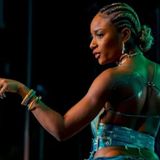
Ayra Starr emerged through Mavin with a blend of Nigerian pop, R&B and youthful self-expression. Her music and visual identity connected with a younger domestic audience while travelling internationally. The run of singles following 19 & Dangerous established her as a prominent voice of the 2020s generation. Selected works: Away; Bloody Samaritan; Rush; Sability.
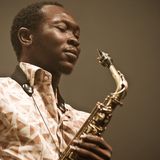
Seun Kuti developed his own career leading Egypt 80, the band inherited from his father's musical institution. His recordings continue the extended horn arrangements, percussion and social commentary associated with Afrobeat, while addressing contemporary African experiences. His work maintains the live-band tradition alongside Nigeria's studio-centred pop industry. Selected works: Many Things; Black Times; From Africa with Fury: Rise.
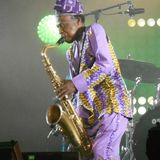
Orlando Julius combined highlife, soul and saxophone-led dance music during the formative years of Nigerian Afrobeat. His 1960s recordings illustrate how Nigerian musicians were already experimenting with American soul and local rhythms. His later collaborations revived interest in a catalogue that predated the modern Afrobeats industry by decades. Selected works: Super Afro Soul; Ololufe; Adara; Jaiyede Afro.
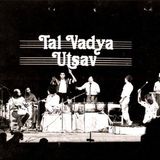
Babatunde Olatunji introduced many overseas listeners to Yoruba and wider West African drumming through ensemble recordings and performance. His influence on musicians in the United States was particularly significant. His inclusion recognises his role in carrying Nigerian percussion traditions abroad, distinct from the commercial popularity of domestic pop stars. Selected works: Drums of Passion; Drums of Passion: The Invocation.

Fireboy DML emerged through YBNL with a melodic, emotionally expressive approach to Nigerian pop. His debut album helped establish a new generation of singer-songwriters whose music combined dance rhythms with intimate themes. Peru later extended the audience for a catalogue already recognised in Nigeria. Selected works: Jealous; What If I Say; Peru; Laughter, Tears & Goosebumps.

Tekno became a major contributor to the melodic and rhythmic sound of Nigerian pop in the mid-2010s. His dance records achieved broad domestic and African appeal, while his production work extended his influence beyond his solo releases. His writing and production contribution to Davido's If exemplifies that wider role. Selected works: Pana; Duro; Diana; Jogodo.

Teni built a recognisable identity through storytelling, Yoruba and English-language songwriting, humour and a flexible vocal style. Her early hits connected with listeners through themes of ambition, affection and family. Uyo Meyo also illustrated her ability to draw on indigenous musical references within contemporary pop. Selected works: Fargin; Case; Uyo Meyo; Billionaire.

Nathaniel Bassey has made trumpet playing, devotional songwriting and extended worship central to his musical identity. His recordings are widely used in Nigerian Christian gatherings, while the Hallelujah Challenge expanded congregational participation through digital platforms. His work reflects the scale and influence of Nigeria's contemporary worship culture. Selected works: Imela; Onise Iyanu; Olowogbogboro; Hallelujah Challenge.
Falz developed a distinctive comic and socially conscious rap identity through character-driven storytelling and Nigerian pidgin. Moral Instruction and This Is Nigeria addressed issues of public life, while his mainstream singles demonstrated his crossover appeal. His music belongs to a long Nigerian tradition of using humour to confront social problems. Selected works: Marry Me; Soldier; This Is Nigeria; Moral Instruction.
Before his later career in religious life, Kris Okotie became a notable Nigerian pop singer through disco- and funk-influenced records. His polished vocal style and dance arrangements captured the tastes of early-1980s urban audiences. His musical career represents the domestic pop experimentation that preceded contemporary Afrobeats by several decades.
Known as Baba L'Egba, Yusuf Olatunji was a major exponent of sakara, a Yoruba musical form centred on percussion, bowed strings and praise poetry. His long recording career established a sound associated with celebrations and social organisations. He helped preserve an important predecessor of later commercial Yoruba music styles.
Hajiya Barmani Choge brought the experiences of Hausa women into popular song through humour, direct language and rhythmic performances rooted in domestic musical traditions. Her music explored marriage, relationships and social expectations. She is an essential figure in understanding women's contributions to northern Nigerian musical culture.
Robert Ebizimor was an influential Ijaw singer and bandleader whose guitar-led music expressed the social and cultural life of Niger Delta communities. His songs and performances became closely associated with Ijaw gatherings and cultural identity. His work represents a major regional tradition often absent from national pop retrospectives.
Osayomore Joseph developed a recognisable Edo-language sound combining local rhythms, guitar-led popular music and outspoken social observation. His songs addressed public conduct and community concerns alongside celebration. He became a significant cultural voice in Benin City and among Edo-speaking audiences elsewhere. Selected works: Ighodefeyi; Alabevbo.
Kefee brought gospel and Niger Delta cultural expression into mainstream Nigerian popular music through her distinctive voice and rhythmic arrangements. Branama established her identity, while Kokoroko with Timaya demonstrated her ability to reach both church and secular audiences. Her short career left a durable catalogue of crossover gospel hits. Selected works: Branama; Kokoroko; Sapele Water.
Kcee first achieved recognition as part of KCPresh before establishing a successful solo career. Limpopo and Pull Over became dance-floor staples, while his Cultural Praise recordings drew more explicitly on southeastern Nigerian musical and religious traditions. His catalogue illustrates the continuing relationship between mainstream pop and regional sounds. Selected works: Limpopo; Pull Over; Cultural Praise.
Dunsin Oyekan is associated with an extended live-worship style combining expressive vocals, repeated devotional passages and instrumental arrangements. His recordings and gatherings have attracted a substantial following among Nigerian Christian audiences. His catalogue illustrates the growth of recorded and digitally distributed congregational worship as a distinct musical sector. Selected works: Open Up; Breathe; Fragrance to Fire.
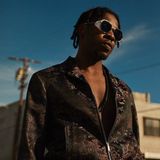
Runtown developed a melodic pop identity connecting Nigerian highlife influences, contemporary production and the broader West African club scene. Mad Over You became a major crossover record, demonstrating how shared regional rhythms could travel across national markets. His music helped popularise a softer style of dance-oriented Afropop. Selected works: Gallardo; Mad Over You; For Life; Energy.
D'Prince was part of the Mo' Hits and early Mavin generation, contributing distinctive vocal hooks to the pop scene of the late 2000s and early 2010s. His later artist-development work through Jonzing World helped introduce a new generation, including Rema, to the Nigerian mainstream. Selected works: Omoba; Give It to Me; Goody Bag.
Dr SID developed his career through Da Trybe, Mo' Hits and Mavin, contributing to several formative periods of the Nigerian pop industry. His solo singles combined playful songwriting with dance-oriented production. Surulere became a memorable example of his collaboration with other artists in the Mavin era. Selected works: Something About You; Pop Something; Surulere.
Sean Tizzle gained national attention with a melodic approach to Nigerian dance-pop built around memorable choruses and lively production. His debut album The Journey collected several of the singles that defined his breakthrough period. His music remains associated with the early-2010s generation of Nigerian pop hitmakers. Selected works: Sho Lee; Mama Eh; Loke Loke; The Journey.
Skales emerged from the Kaduna and Lagos music networks, initially building a rap career before achieving wider commercial success with dance-oriented pop. Shake Body became a defining hit in his catalogue. His career illustrates the movement of many Nigerian rappers into melodic mainstream music during the 2010s. Selected works: Shake Body; Man of the Year; Temper.
Faze gained national recognition with Plantashun Boyz before establishing a solo career built on distinctive high-register vocals and melodic pop. His albums Independent and Originality produced songs that circulated widely in Nigeria. He represents the R&B-oriented generation that helped prepare the ground for contemporary Afrobeats. Selected works: Faze Alone; Kolomental; Originality; Tattoo Girls.
Blackface was a founding member of Plantashun Boyz and subsequently developed a solo catalogue rooted in reggae, R&B and socially observant songwriting. His work helped shape the generation that established Nigerian pop around the turn of the millennium. This entry focuses on his separate career . Selected works: Hard Life; Ghetto Child.
The trio of 2Face Idibia, Faze and Blackface helped establish a recognisably Nigerian R&B and pop group sound around the turn of the millennium. Their harmonies, romantic songwriting and early albums helped create an audience for locally produced pop. This entry covers their collective catalogue, not their solo releases. Selected works: Body and Soul; Knock Me Off; Don't You Know.
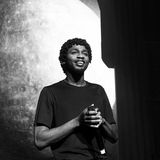
Omah Lay emerged from Port Harcourt with a darkly melodic style combining Nigerian dance rhythms and introspective lyrics. His early EPs and Boy Alone connected strongly with younger listeners through themes of uncertainty, relationships and emotional struggle. He helped broaden the emotional range of contemporary Nigerian mainstream pop. Selected works: Bad Influence; You; Understand; Soso.
Niniola became a distinctive figure in Nigerian dance music through Afro-house, Yoruba vocals and energetic live performance. Maradona demonstrated the commercial potential of a house-oriented sound within a mainstream otherwise dominated by Afropop. Her recordings also helped connect Nigerian and South African dance-music audiences. Selected works: Maradona; Sicker; Bana; Addicted.
Vast and Smash formed the duo behind a string of harmony-led Nigerian pop recordings. Yori Yori became a continental favourite, particularly at social gatherings and weddings. Their music demonstrates the continued appeal of melodic, guitar-influenced pop in the period between Nigeria's 2000s R&B groups and the later Afrobeats boom. Selected works: Yori Yori; Ada Owerri; Mama Africa.
Olu Maintain first gained recognition with the group Maintain before achieving major solo success with Yahooze. His dance records and visual presentation captured the aspirational nightclub culture of late-2000s Nigeria. His career is a notable chapter in the transition from local hip-hop groups to the modern Nigerian pop industry. Selected works: Yahooze; Kentro; Nawti.
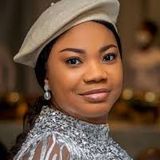
Mercy Chinwo moved from television talent competition into contemporary gospel, where her strong lead vocals and expressive worship songs earned a large following. Excess Love became a familiar song in churches across Nigeria and beyond. Her catalogue combines congregational praise with the production values of modern African gospel. Selected works: Excess Love; Chinedum; Obinasom; Na You Dey Reign.
Oritse Femi developed a distinct street-pop identity from the Ajegunle music environment, combining dancehall influences, Nigerian pidgin and forceful vocal delivery. His Double Wahala reinterpreted a phrase associated with Fela Kuti for contemporary audiences. His catalogue connects grassroots dance music with mainstream Nigerian pop. Selected works: Mercies of the Lord; Double Wahala; Igbeyawo.
Lil Kesh emerged through YBNL with energetic Yoruba rap and dance records that became prominent in Nigerian street culture. Shoki helped connect a popular dance movement to mainstream music. His early catalogue illustrates the importance of neighbourhood slang, dance innovation and local performance networks to the evolution of Afrobeats. Selected works: Shoki; Efejoku; Gbese; Is It Because I Love You.
Sammie Okposo brought contemporary production, energetic praise singing and African rhythms into Nigeria's commercial gospel scene. Welu Welu helped establish his reputation with audiences beyond his original church environment. His live performances and production work contributed to gospel's growth as a professional recording and touring industry. Selected works: Welu Welu; Oghene Doh; Praise Party.
Timi Dakolo became known for his powerful vocal delivery following his victory in Idols West Africa. His records often emphasise national belonging, romantic commitment and family life. Iyawo Mi and Great Nation illustrate a repertoire that found a place at Nigerian weddings and civic occasions as well as on radio. Selected works: Iyawo Mi; Great Nation; Wish Me Well.
Darey Art Alade developed a polished Nigerian R&B sound distinguished by vocal technique, storytelling and elaborate live presentation. His album work and performances helped sustain soul and ballad traditions alongside the expansion of dance-oriented pop. Pray for Me connected contemporary songwriting to the experience of migration and family expectations. Selected works: Not the Girl; Escalade; Pray for Me.
Frank Edwards developed a contemporary gospel style combining keyboard-led production, melodic praise singing and Nigerian pop influences. His records circulated through churches and digital platforms, reaching young Christian audiences across the country. He helped establish a commercially recognisable sound for a newer generation of Nigerian gospel performers. Selected works: You Too Dey Bless Me; Oghene Doh; Under the Canopy.
Wizboyy helped bring guitar-driven eastern Nigerian highlife into the contemporary studio-pop era. His melodic songs and collaborations became familiar at weddings and across southeastern Nigeria. His catalogue is a useful bridge between older highlife bands and later artists combining the genre with modern Afropop. Selected works: Fotojenik; Infinity; One Plus One.
Brothers Okpuozor and Akunwafor Obiligbo have helped renew interest in Igbo highlife among contemporary Nigerian listeners. Their extended guitar arrangements and songs about work, prosperity and social relationships draw directly on older eastern Nigerian traditions. Their collaborations with mainstream performers introduced this approach to a wider pop audience. Selected works: Culture; Awele (with Flavour); Ife Di Mma.
Sola Allyson developed an intimate Yoruba-language musical style rooted in folk, spirituality and reflection on personal relationships. Eji Owuro established an audience beyond conventional gospel music. Her albums have sustained a distinctive songwriting tradition in which indigenous language and acoustic textures remain central. Selected works: Eji Owuro; Ire; Imuse.
TY Bello first gained attention with the group KUSH before developing a solo catalogue that combined soul, pop and Christian worship. Her later spontaneous worship projects created a platform for collaborative musical expression. Her career spans the development of early Nigerian contemporary gospel and the newer digital worship scene.
Admiral Dele Abiodun developed his own approach to jùjú through electric guitar, percussion and expansive social-performance arrangements. His Adawa sound helped broaden the commercial jùjú landscape beyond its two best-known bandleaders. His career reflects the depth and competition of Yoruba live-band music in the late twentieth century.
General Prince Adekunle was an important jùjú bandleader whose ensembles contributed to the development of modern guitar-based Yoruba popular music. His band also provided experience to musicians including Shina Peters. His extended recordings and live performance work helped sustain the jùjú industry during its formative commercial decades.
William Onyeabor produced an unusual catalogue of synthesiser-driven Nigerian funk from Enugu. His recordings combined dance rhythms, electronic textures and philosophical lyrics at a time when such production was relatively uncommon locally. Later rediscovery brought international attention to a distinctive chapter of Nigerian studio experimentation. Selected works: Atomic Bomb; Fantastic Man; Better Change Your Mind.
Twin sisters Taiwo and Kehinde Lijadu developed a blend of Nigerian rhythms, soul, rock and socially observant songwriting. Their harmonies and independent musical identity distinguished them in a male-dominated industry. Their catalogue is an important example of female-led experimentation during the 1970s Nigerian popular music boom. Selected works: Danger; Come On Home; Life's Gone Down Low.
Nneka draws on her Warri background, reggae, soul and hip-hop to create songs about identity, inequality and human relationships. Her catalogue developed an audience both within Nigeria and internationally without relying on mainstream club-pop formulas. She represents the socially conscious alternative strand of contemporary Nigerian music. Selected works: Heartbeat; Africans; Kangpe; Victim of Truth.
Keziah Jones developed a distinctive guitar technique combining blues, funk and rhythmic ideas connected to his Nigerian background. His percussive playing and performances earned recognition beyond the domestic commercial music circuit. His inclusion recognises Nigerian instrumental and songwriting innovation, while distinguishing overseas success from the local popularity of other nominees. Selected works: Rhythm Is Love; Beautiful Emilie; Blufunk Is a Fact!.
Chidinma emerged from Project Fame West Africa and became a major voice of early 2010s Nigerian pop through melodic singles and collaborations. Her later transition into gospel established a second chapter of her recording career. Her catalogue spans both the secular talent-show generation and contemporary Christian music. Selected works: Kedike; Jankoliko; Emi Ni Baller; Jehovah Overdo.
Jesse Jagz contributed to the emergence of the Jos and Chocolate City hip-hop scene as both rapper and producer. His solo albums explored reggae, layered arrangements and ambitious lyrical themes beyond conventional pop formulas. His production work and experimental approach helped diversify the sound of Nigerian rap. Selected works: Wetin Dey; Jargo; Jagz Nation Vol. 1: Thy Nation Come.
Illbliss established a Nigerian rap identity blending English, pidgin and Igbo expression. His recordings linked eastern Nigerian perspectives with the commercial Lagos hip-hop scene, while his industry work contributed to artist development. His catalogue illustrates the increasingly regional and multilingual character of Nigerian rap. Selected works: Aiye Po Gan; Anam Achi Kwanu; Powerful.
Brymo first reached mainstream audiences through Chocolate City collaborations and later developed an album-focused career rooted in folk, soul and reflective songwriting. His use of Yoruba imagery and distinctive vocal phrasing attracted listeners seeking an alternative to dance-led pop. His body of work is especially notable for its emphasis on albums. Selected works: Ara; Good Morning; Yellow; Oso.
Fela Sowande was a pioneering Nigerian composer and organist who integrated African melodies and musical ideas into concert and church music. His work also contributed to musical scholarship and education. He represents the classical tradition within Nigeria's musical history, rather than the commercial pop and highlife circuits. Selected works: African Suite; Nigerian Folk Symphony.
Seyi Shay developed a Nigerian pop career through songwriting, R&B vocal influences and dance-oriented singles. Her collaborations and solo recordings helped expand the commercial space for female performers in the 2010s. Her catalogue combines club music with a more vocal-focused approach to contemporary pop. Selected works: Irawo; Murda; Right Now; Yolo Yolo.

CKay began as a producer and songwriter before establishing a solo identity built around melodic, emotionally focused Afropop. Love Nwantiti became a major international crossover record, while his wider catalogue draws on the softer side of Nigerian pop. His work illustrates how digital distribution opened new routes for local musicians. Selected works: Love Nwantiti; Emiliana; You; Sad Romance.

Mr Eazi helped popularise banku music, blending Ghanaian and Nigerian pop influences in a conversational melodic style. His career reflects the close creative links between the two countries rather than a purely Lagos-centred industry. His emPawa platform also contributed to artist development across Africa. Selected works: Skin Tight; Leg Over; Pour Me Water; Accra to Lagos.
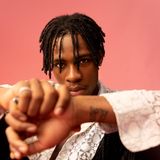
Joeboy gained recognition through emPawa Africa with melodic love songs and accessible contemporary production. His combination of short hooks and emotionally direct lyrics found a substantial audience in Nigeria and elsewhere on the continent. His subsequent catalogue expanded beyond the romantic pop style associated with his breakthrough. Selected works: Baby; Beginning; Sip (Alcohol); Contour.

Oxlade established a reputation for agile vocal runs and melodic songwriting through singles and collaborations in the Nigerian alternative and Afropop scenes. Ku Lo Sa reached a broad audience through a stripped-down performance format. His music represents the vocal-focused strand of Nigeria's contemporary pop industry. Selected works: Away; Ku Lo Sa; Ojuju.
Previously known as Buju, BNXN developed a distinctive melodic voice through solo records and collaborations across Nigerian pop. His flexible phrasing and conversational lyrics helped make him a sought-after collaborator. His work represents the close relationship between songwriting, featured vocals and album-oriented careers in the current Nigerian music industry. Selected works: Outside; Finesse (with Pheelz); Gwagwalada; Sincerely, Benson.
Lojay gained recognition through collaborative projects with producer Sarz, combining rhythmic Nigerian pop with an R&B-influenced vocal style. Monalisa became a crossover record with a strong dance-floor identity. His work illustrates how contemporary Nigerian performers build careers through production partnerships and a series of distinct melodic singles. Selected works: Monalisa (with Sarz); Tonongo; Moto.

Mayorkun emerged through Davido's DMW with a series of radio-friendly singles combining humour, romance and dance rhythms. His album The Mayor of Lagos established him beyond his early breakthrough. His catalogue reflects the label-driven development of the mid-to-late-2010s Nigerian pop generation. Selected works: Eleko; Mama; Che Che; Geng.

Peruzzi emerged through DMW as a singer and songwriter whose melodic hooks became familiar across Nigerian pop collaborations. His solo projects combined romantic themes, dance rhythms and flexible vocal phrasing. His career demonstrates the creative importance of writers and featured performers in the making of contemporary Nigerian hits. Selected works: Majesty; Nana; Gunshot; Rum & Boogie.
Zlatan Ibile helped popularise the Zanku dance movement and the energetic street-hop sound that accompanied it. His vocal interjections, Yoruba rap and collaborations made him a frequent presence in Nigerian dance music. His influence is especially visible in the connection between recorded pop, street dance and social media culture. Selected works: Zanku (Legwork); Bolanle; Lagos Anthem; Killin Dem (with Burna Boy).

Naira Marley became a major figure in late-2010s Nigerian street-pop through dance records, slang and a strongly identifiable fan culture. His use of Yoruba and English helped bring neighbourhood expressions into mainstream entertainment. His recordings and dance trends remain important to the history of that period of Nigerian street music. Selected works: Issa Goal; Soapy; Tesumole; Am I a Yahoo Boy.
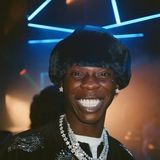
Seyi Vibez developed a Lagos street-pop sound combining Yoruba storytelling, fújì-influenced melodies and contemporary dance production. His prolific releases generated strong domestic chart performance and an audience attracted to songs about survival, faith and ambition. His work illustrates the continuing relationship between indigenous music and newer pop forms. Selected works: God Sent; Chance (Na Ham); Different Pattern; Billion Dollar Baby.

Sarz helped shape the rhythmic production of Nigerian pop through collaborations with established stars and experimental projects with younger vocalists. His work ranges from club-oriented Afropop to more atmospheric electronic production. He represents the producers whose studio innovations have shaped Nigeria's musical identity beyond individual performers. Selected works: Beat of Life (Samba); Monalisa (with Lojay); I Love Girls With Trobul (with WurlD).

Cobhams Asuquo contributed to Nigerian music as a producer, composer, singer and arranger, including his work on Aṣa's debut album. His own recordings emphasise songwriting and musicianship, while his production catalogue helped support artists across genres. His career represents the creative importance of studio arrangers as well as performers. Selected works: Ordinary People; One Hit; Aṣa (production).
Cynthia Morgan, also known as Madrina, became a distinctive female voice in Nigeria's dancehall revival through assertive delivery, reggae-derived rhythms and energetic performance. Her singles helped bring dancehall to the centre of mid-2010s Nigerian pop. Her musical identity offered an alternative to the more conventional melodic Afropop of the period. Selected works: German Juice; I'm Taken; Lead Me On.
Hamisu Breaker developed a strong audience through modern Hausa romantic music distributed through video and digital platforms. His melodic approach connects contemporary production with northern Nigerian language and storytelling. His inclusion recognises a major regional audience that cannot be assessed solely through national English-language pop charts.
Ali Jita is associated with the contemporary Hausa music and Kannywood entertainment scene. His melodic songs, performances and film-related work have helped sustain Hausa-language commercial music across northern Nigeria and neighbouring communities. His audience demonstrates the importance of regional-language media alongside the national pop industry. Selected works: Love; Hausa-language songs and film music.
Adam A Zango combines musical performance with a prominent career in Kannywood, where songs are integral to storytelling and entertainment. His music reflects the development of a modern Hausa pop industry shaped by film and video distribution. He represents the overlap between regional cinema and recorded Nigerian music. Selected works: Bahaushiya; Hausa film songs.
Sani Danja built a career across Hausa-language music, acting and entertainment, helping develop a recognisable star culture around Kannywood. His songs and screen performances reached audiences through a regional industry with its own markets and distribution networks. His presence expands the list beyond artists whose careers are centred on Lagos.
DJ AB emerged from Kaduna's hip-hop scene with a blend of Hausa and English, melodic hooks and locally grounded rap. His work helped demonstrate that northern Nigerian youth culture could sustain its own contemporary music stars. His songs connect regional identity to the wider commercial possibilities of Nigerian hip-hop. Selected works: Da So Samu Ne; Supa; Hausa rap catalogue.
ClassiQ developed a rap style drawing on Hausa metaphors, English and northern Nigerian experiences. His recordings and collaborations helped bring Arewa hip-hop to audiences beyond its regional base. His work illustrates how language can function as a creative asset rather than a barrier within Nigerian mainstream rap. Selected works: An Fara; I Love You; New North.
Bala Miller was among the musicians who adapted highlife to northern Nigerian settings, using brass-band and dance-band ideas alongside regional musical expression. His long career provides an important link between the country's independence-era dance orchestras and the development of a distinct northern commercial popular music tradition. Selected works: Kusimilaya; Pyramids (with Music Pyrameeds of Africa).
Alhaji Musa Dan Kwairo was a prominent exponent of Hausa praise singing, a tradition in which musicians use poetry, rhythm and improvisation to preserve social memory and comment on public life. His recordings represent a major strand of northern musical culture that flourished before the emergence of modern pop. Selected works: Turakin Lafiya; Hausa praise songs.
Chioma Jesus became a prominent voice of Igbo-language praise and worship through energetic performances and congregational songs. Her music circulates widely through church networks, revival meetings and Christian recordings. Her career reflects the importance of southeastern Nigerian gospel within the country's diverse popular music landscape.
Ado Gwanja gained attention through rhythmic Hausa-language songs and performance styles associated with contemporary northern popular entertainment. His music has a particular connection with wedding and celebration culture. His appeal illustrates how regional dance music and film-linked entertainment have developed their own stars outside the dominant Afrobeats industry. Selected works: Chass; Warr; Hausa dance songs.
Orits Wiliki became a recognisable figure in Nigeria's reggae movement during the late twentieth century. His songs combined roots-reggae influences with Nigerian concerns, helping maintain a local audience for socially conscious popular music. His catalogue belongs to an era when reggae competed strongly with highlife and other domestic genres.
Led by Victor Essiet with Peggy Essiet, the Mandators were among the acts that made reggae an important part of Nigerian popular culture. Their songs often focused on inequality and social conditions, using harmony and roots-reggae arrangements. Their catalogue captures the politically conscious character of Nigeria's reggae boom. Selected works: Rat Race; Crisis.
Blackky emerged during the Nigerian dancehall and reggae boom with energetic records designed for parties and clubs. Rosie became a memorable part of early-1990s domestic pop culture. His work helped carry Caribbean-influenced dance music into Nigerian urban entertainment before the rise of contemporary street-hop. Selected works: Rosie; Blackky Skank.
Zaki Azzay was among the early artists who helped popularise Nigerian rap and hip-hop during the 1990s, using a recognisable stage persona and locally grounded lyrics. His work contributed to a period of experimentation in which Nigerian musicians began developing domestic commercial alternatives to imported urban music. Selected works: True Love; Na Me Go Marry Am.
Segun Adewale developed Yo-pop, a style that blended jùjú with contemporary dance-band ideas and energetic guitar arrangements. His career, including his early association with Shina Peters, reflects the experimentation that took place within Yoruba popular music as bandleaders sought younger audiences.
Dayo Kujore developed Soko music, a dance-oriented variation of jùjú that found its own audience during a period of intense competition among Yoruba bandleaders. His career helped sustain the relevance of jùjú through the 1980s and 1990s, when fújì and other styles were gaining ground.
Mohbad developed a recognisable street-pop voice combining Yoruba phrasing, melodic hooks and lyrics about hardship and aspiration. His collaborations and solo recordings established an audience among younger Nigerians. His catalogue, which gained further attention after his death in 2023, remains closely associated with the Lagos street-music generation. Selected works: KPK (with Rexxie); Feel Good; Peace; Ask About Me.
Bella Shmurda emerged with songs combining Yoruba street expression and melodic reflections on ambition, friendship and survival. His early collaborations helped bring him into the Nigerian mainstream, while Cash App became a prominent dance record. His music connects younger Lagos audiences with the traditions of socially grounded street-pop. Selected works: Vision 2020; Cash App; Rush; Philo.
Reekado Banks established himself through Mavin's new generation of artists, developing a melodic vocal style and a run of popular Nigerian singles. His records and collaborations helped shape the domestic pop landscape of the mid-2010s. His subsequent solo work continued the melodic approach that characterised his breakthrough. Selected works: Katapot; Oluwa Ni; Problem; Easy (Jeje).
Korede Bello achieved prominence as part of the Mavin generation, with an accessible vocal style and songs appealing to younger audiences. Godwin became familiar at celebrations through its mixture of thanksgiving and dance-oriented pop. His recordings exemplify the mainstream melodic sound of the mid-2010s. Selected works: Godwin; Romantic; Do Like That.
Young Jonn first became known for his production work on Nigerian street-pop records before establishing a successful singing career. His transition into solo Afropop demonstrated the connection between beat-making, songwriting and vocal performance. His work helped shape both the mid-2010s YBNL sound and the newer wave of melodic dance music. Selected works: Dada; Xtra Cool; Aquafina; production on Bobo.
Ruger established a recognisable contemporary dancehall sound through melodic phrasing, rhythmic space and songs designed for live and club performance. His early singles developed a strong following among younger Nigerian listeners. His catalogue shows the continuing appeal of Caribbean-influenced sounds within modern Nigerian pop. Selected works: Bounce; Dior; Asiwaju; Girlfriend.
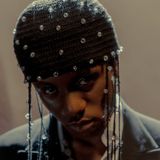
Victony developed a melodic style that crosses rap, R&B and dance-oriented Afropop. Soweto with Tempoe became a major crossover release, while later projects explored more personal songwriting. His career represents the experimental and collaboration-driven character of the younger Nigerian pop generation. Selected works: Soweto; Everything; Stubborn.
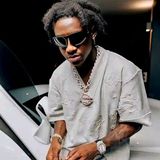
Shallipopi introduced a distinctive spoken rhythmic style drawing on Benin City slang and contemporary street-pop production. His early recordings circulated widely among younger Nigerian audiences. His rise illustrates how local language, regional identity and digital distribution can create new routes into the national music industry. Selected works: Elon Musk; Ex Convict; Cast; Presido La Pluto.
Ayo Maff emerged as a younger voice in Nigerian street-pop, combining melodic hooks with observations about growing up and pursuing opportunities. Dealer helped introduce him to a broader audience. His inclusion provides space for an emerging generation whose longer-term musical legacy will become clearer over time. Selected works: Dealer (with Fireboy DML); 7 Days.
Qing Madi gained attention through expressive R&B-influenced vocals and contemporary Nigerian pop arrangements. Her early recordings developed a following through digital distribution and collaborations. She represents a younger generation of Nigerian female singer-songwriters, with a growing catalogue rather than an established multi-decade legacy. Selected works: See Finish; Ole (with BNXN); Vision.

Pheelz developed his career producing records for Olamide and other Nigerian performers before gaining recognition as a solo singer. Finesse demonstrated his ability to combine production and melodic songwriting within one artistic identity. His work connects the development of indigenous rap with the newer generation of Nigerian producer-performers. Selected works: Finesse (with BNXN); Electricity (with Davido); production for Olamide.

Blaqbonez has combined competitive rap, comic self-presentation and pop-oriented songwriting to build a distinctive place in contemporary Nigerian hip-hop. His albums and creative music videos helped bring a younger audience to rap. His work represents the continued evolution of Nigerian MC culture within an Afrobeats-dominated industry. Selected works: Haba; Bling; Back in Uni; Sex Over Love.
Odumodublvck emerged from Abuja's rap scene with a blend of drill, Nigerian slang and regional musical references. His breakthrough records brought renewed mainstream attention to hard-edged Nigerian rap. His work is particularly notable for expanding the visibility of music scenes outside Lagos. Selected works: Declan Rice; Dog Eat Dog; Blood on the Dance Floor; Eziokwu.
Oghene Kologbo contributed rhythm guitar to Fela Kuti's Africa 70 and subsequently developed independent projects rooted in Afrobeat. His playing helped define the interlocking guitar patterns that supported the genre's long-form arrangements. His career represents the instrumental musicians behind the development and continuation of Nigerian Afrobeat.
Sikiru Adepoju is a master of Yoruba talking drums whose career includes work in Nigerian jùjú and international percussion collaborations. His playing demonstrates how tonal language, rhythmic phrasing and improvisation can be carried through the drum. His inclusion recognises instrumental artistry rather than mainstream singing or chart popularity. Selected works: Global Drum Project (ensemble credit); talking-drum performances.
No entries from this region on this list yet.
About this ranking
From the highlife bands that soundtracked independence to the jùjú, apala and fújì legends of southwestern Nigeria, the praise singers of the North, the reggae stars of the 1980s, the gospel voices heard in churches and the pop artists who took Afrobeats to the world, Nigerian music has shaped everyday life for generations. This list celebrates the musicians whose songs, performances, songwriting and innovations have left a lasting mark on Nigeria and beyond. Think about the records Nigerians grew up with, the artists who defined their eras, those who preserved local languages and musical traditions, and the musicians who opened doors for others. Vote for the acts whose contribution you believe deserves the greatest recognition.
A band can keep a dance floor moving by giving each player a figure that fits with the others. King Sunny Adé’s jùjú and Osita Osadebe’s highlife both reward hearing the whole performance, including the passages where the voice steps away. On a Fela recording, listen to Tony Allen’s decisions at the kit as carefully as the lead on the microphone.
Fújì and gospel give a lead voice quite different kinds of authority. Compare how Kollington Ayinla’s percussion leaves a place for a line with the room Sinach gives other voices to take up Way Maker. A singer can reach a large audience through the durability of a shared melody as readily as through a single dance hit.
The shorter records tell their own part of the story. African Queen can make a melody carry a conversation, and Olamide can make a compressed phrase the point of a track. Look at the studio credits too. The thread between records produced for different singers may give a producer an all-time case that is harder to see from a list of front-line performers.
Think someone is missing from this list?
Suggest an entry and we'll review it for inclusion.