

In Disgrace, the professor has to read his daughter’s decisions with less confidence than he brings to his own. The shift makes voice and judgement part of the story.
Master Harold… and the Boys asks actors to let a familiar exchange grow into an argument with consequences outside the room. Read a scene for what can be heard in the pauses.
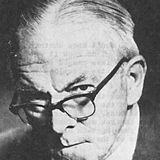
Cry, the Beloved Country brings a rural priest to Johannesburg in a search for his son. The journey gives the novel a human scale against the changes it records.
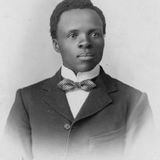
Mhudi is a route into Plaatje’s imaginative work, alongside his journalism and political writing. The Wits selection helps readers place his fiction within that wider range.
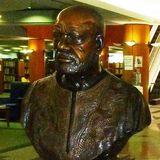
Down 2nd Avenue keeps the individual voice prominent while following the practical barriers to a childhood and education in South Africa.
In Ways of Dying, public mourning is the work of a particular person. Follow how the routine of that work gives weight to the changes around him.

The promise at the centre of The Promise keeps returning as family members die. The novel’s leaps in time let readers weigh the consequences of a decision deferred.
Born in South Africa, Head sets A Question of Power in Botswana. Compare how she balances an intimate account of Elizabeth’s experience with the practical setting in which she lives.

Letters to Martha lets prison shape the lengths of a poem and the writer’s sense of a listener outside. The form gives the small details of waiting real weight.
The World of Nat Nakasa gathers short prose work. Read successive pieces for the way observation changes with the company and place in which Nakasa finds himself.
No entries from this region on this list yet.
About this ranking
In Mhudi, Sol Plaatje uses fiction to bring events preceding modern South Africa into view through individual lives. Cry, the Beloved Country travels between rural homes and Johannesburg with a different tempo and voice. The works let readers compare different ways of making a country’s history legible through a story.
In Master Harold… and the Boys a pause in a conversation can change what different people in a room owe one another. Nadine Gordimer builds a different kind of change in July’s People when a family has time to notice its familiar protections falling away.
Go beyond the novel to see how a different form can carry argument and memory. Dennis Brutus uses the address of a letter to bring readers into the time of prison. Nat Nakasa’s collected prose puts many separate encounters and observations into play. A writer can make an impression by letting a single moment stand or by showing the pattern that connects it to others.
Think someone is missing from this list?
Suggest an entry and we'll review it for inclusion.