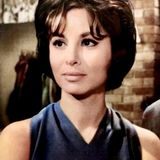
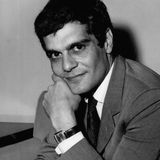

Kani appears in Nothing but the Truth, a South African film developed from his play. Consider the screen performance here; his stage career and later Hollywood roles provide wider context rather than replacing the African screen work.
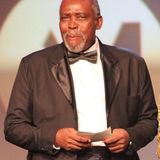
After his British screen work, Jacobs returned to Nigeria and appeared in the NTA detective series The Third Eye. His subsequent Nollywood career gives this ballot a different case from the international films named on the Hollywood and Europe page.
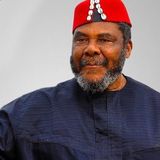
Edochie plays the father at the centre of the family business in Lionheart. His authority gives the younger characters something to push against, and it makes the succession question feel personal.

Youssra appears in The Yacoubian Building, an ensemble drama set around the lives of people connected to a Cairo building. Her work is best considered within the overlapping stories that give the film its texture.
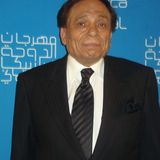
Emam takes a leading place in the cast of The Yacoubian Building. The film uses its Cairo setting to connect intimate choices to public history, giving voters an example of his work within an ensemble drama.

In Lionheart, Nnaji plays a daughter who has to prove herself inside the family transport business. Her handling of workplace authority and family friction gives the comedy its dramatic stakes.

Nouah is one of the leads in The Figurine, a story whose uneasy turns depend on how its characters respond to uncertainty. His work there offers a different comparison from his comedy in 30 Days in Atlanta.

Mofe-Damijo appears in Shanty Town and is also credited in 30 Days in Atlanta. Compare the weight he brings to a crime ensemble with the adjustment in tempo that a travel comedy requires.
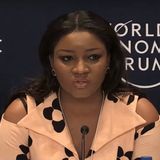
Jalade Ekeinde leads the ensemble in Last Flight to Abuja. A thriller set around a flight gives her the task of making a character legible before the danger takes over the story.
Van Vicker plays a supporting role alongside Majid Michel in Divine Love. His screen career extends across Ghanaian and Nigerian productions, giving this ballot a candidate whose work crosses the two national industries.

In Lionheart, Owoh is part of the family and business ensemble. His comic case comes through the interplay with fellow actors, especially how the pace of an exchange can change when he enters it.
Appiah’s leading actress win at the 2024 Africa Movie Academy Awards provides one point of reference. Compare the strength of her lead work with how she plays individual scenes inside a larger cast.

Michel plays Freddie Dan Ansah in House of Gold. His place in the family ensemble gives voters something different to judge from a solo star turn: his timing and the way he plays off other characters.

Akindele leads Omo Ghetto: The Saga, a comedy built around the reunion of radically different sisters. Listen for how verbal rhythm and the delivery of a line change the tone of a scene.

Dominic plays Clara Ikemba, the minister’s receptionist in The Meeting. She makes office procedure funny by making Clara’s confidence in her own authority feel completely believable.

Ozokwor plays Madam Pat in Chief Daddy, an ensemble comedy about the fallout from a death in a wealthy household. Look for the timing and authority she brings to the family exchanges.

Iheme reunites with Chinedu Ikedieze in Aki and Paw Paw. Watch how he reacts to his partner’s suggestions: the response and the pause can be as revealing as the spoken punchline.
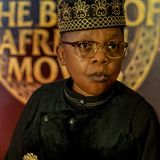
Ikedieze has a lead role in Aki and Paw Paw, a comedy built around an established screen partnership. His case is the timing with which he keeps a scheme moving and gives his partner room to answer.

Edo is part of the Shanty Town ensemble. The crime series makes the effort to escape a powerful figure central to its story, giving her a vehicle for tense dramatic work.

Johnson Okojie appears in The Ghost and the Tout Too. Its supernatural setup makes the cast’s ability to play an improbable situation as immediate and familiar part of the pleasure.

Abraham leads The Ghost and the Tout Too. The comedy depends on her ability to carry exchanges with the living and the dead while keeping the audience oriented in the story.

Elliot has an extensive catalogue of credited acting roles alongside his directing work. The acting case here is his contribution within the scene and ensemble, which can be assessed independently of his work behind the camera.
Dumelo plays Manuel Quagraine in A Northern Affair. For this poll, look at how he sustains interest as a romantic lead and responds to his scene partners across the film.

Nelson features in House of Gold, which brings a wealthy man’s family together around his estate. The film offers a way to assess her performance amid competing personalities and family tensions.
Buari’s credits include Beyoncé: The President’s Daughter and Mummy’s Daughter. Those titles are entry points into her Ghanaian video-film work and the character choices that sustain a melodrama from scene to scene.
Mbatha plays Queen Nandi in Shaka iLembe. Her performance can be judged through the relationship between Nandi and her son as well as the bearing she brings to a historical court.
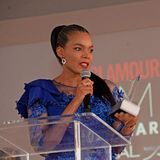
Ferguson played Karabo Moroka in Generations and appears in Kings of Jo’Burg. Compare the continuity required of a soap regular with the more overt tension of a crime series.

Ramadan stars in Al Ostora, a serial drama in which one brother’s death sets another on a course of revenge. Its extended format lets viewers assess how he holds the tension across a developing story.

Afolayan is in the cast of The Figurine, a mystery driven by its characters’ responses to a strange discovery. The film lets voters consider his performance within the ensemble as well as the work of its other leads.

Kansiime stars in Girl from Mparo. The sitcom gives her room to establish a character across scenes while still using the quick shifts of pace that make her comedy work.

Bovi Ugboma leads My Village People, a comedy whose plot puts increasing pressure on its central character. Watch how he keeps the character recognisable as the consequences become more absurd.

Makun stars as Akpos in 30 Days in Atlanta. The travel comedy gives him a sustained character role, built on his responses to a trip that takes him far outside familiar surroundings.

Mr Macaroni appears as Akanji in Aníkúlápó. The period film offers a specific performance to consider apart from the recurrences of his online comedy characters.
Sané plays Ada in Atlantics. Her decisions connect the film’s intimate story of a young woman in Dakar with its change into a ghost story.
Beya plays Félicité, a nightclub singer in Kinshasa. The performance gives the film a centre as the character moves from the stage to a desperate search for help for her son.
As Amina in Lingui, the Sacred Bonds, Souleymane holds the tension between a mother’s private worry and the demands she faces in public.
Kiki plays Satima in Timbuktu. Her exchanges with Kidane anchor the film in one family’s daily life as the restrictions around them tighten.
In The Gravedigger’s Wife, Abdi plays Guled, who needs to find money for his wife’s treatment. The measured, unshowy performance makes the weight of that task visible.
Niang plays Anta in Touki bouki. Her part in the pair’s plan to leave Dakar drives one of the film’s central tensions, between dreaming of departure and acting on it.
Sabry leads Asmaa, about a woman deciding whether to speak openly about her illness. The choices she makes in private conversations build to the question of what it costs to become visible in public.
Mane plays Banel in Banel & Adama. The film’s love story depends on her ability to convey desire and frustration as the couple’s plans run up against village expectations.
Mugatsia plays Kena in Rafiki. Her changing comfort around Ziki gives the romance its shape, while small choices in posture and speech suggest the pressure of being watched.
Umuhire plays Tshala in Omen and appears in Terra Mater. That pairing offers examples of her work in an ensemble feature and in the more concentrated form of a short.

Basketmouth’s acting credits include the sitcom Papa Benji. Consider how he fits into a scene with other performers and how he handles a character’s timing within an ongoing comedy.
No entries from this region on this list yet.
About this ranking
Screen acting in African productions
This ballot centres work in African film and television. A performer can have an international career as well; the case on this page rests on the African productions named in the notes. That makes the question more focused than the overall actors ranking without treating cinema on the continent as a single industry.
Follow a scene, not a publicity campaign
Lionheart provides one useful starting point. Genevieve Nnaji, Pete Edochie and Nkem Owoh inhabit different positions within its family business. Watch how authority passes between them and how comic exchanges alter a serious conversation. The work happens between actors as much as in a memorable line. A famous name does not automatically give the strongest performance in an ensemble.
Ghanaian actors belong in this conversation on their own work, including Van Vicker, Jackie Appiah, Majid Michel and John Dumelo. Their presence also makes it possible to follow the connections between Ghanaian and Nigerian screen careers. The ballot does not fold Ghanaian cinema into Nollywood merely because performers have worked in both.
More than one region or generation
Egyptian cinema contributes Faten Hamama, Youssra, Adel Emam and Omar Sharif. Their inclusion asks voters to look beyond English-language visibility. South African screen work, including that of Connie Ferguson, John Kani and Nomzamo Mbatha, offers a different body of performances. Neither a country's market size nor the number of films an actor has made settles the quality of the acting.
The notes also identify specific performances from other parts of the continent: Mame Bineta Sané in Atlantics, Véro Tshanda Beya in Félicité, Toulou Kiki in Timbuktu and Samantha Mugatsia in Rafiki. A shorter filmography can still contain a performance that deserves serious consideration. These entries widen the viewing choices rather than supplying a token regional quota.
What the vote compares
Consider sustained characterisation, emotional precision, comic timing and the relationship with the rest of the cast. Film and television allow different lengths of development, so compare what the actor achieves within the work rather than rewarding the longer format by default. The Hollywood and Europe ranking handles international screen careers separately. Vote here for the African screen performances you would recommend to someone else.
Think someone is missing from this list?
Suggest an entry and we'll review it for inclusion.