Edochie became a defining figure in Nigerian television as Okonkwo in the 1987 adaptation of Chinua Achebe’s Things Fall Apart. His resonant voice, deliberate delivery and command of traditional storytelling made him a natural choice for kings, elders and patriarchs in Nollywood. His performance in Lionheart introduced that familiar authority to a new international audience. He died on 25 November 2026, aged 79.
Known across the Arabic-speaking world as El Zaeem, Emam turned comedy into a vehicle for examining bureaucracy, inequality and political life. His stage work in School for Troublemakers and screen performances in Terrorism and Kebab and The Yacoubian Building reveal a performer equally comfortable with farce, social satire and serious drama. His popularity spans several generations.
Hamama helped define the golden age of Egyptian cinema. In The Nightingale’s Prayer, she gave emotional depth to a story about honour and revenge; in I Want a Solution, she portrayed a woman confronting an unequal divorce system. Her long career combined popular appeal with memorable portrayals of women negotiating social expectations and personal independence.

Kani developed his craft in South African theatre, where he helped create Sizwe Banzi Is Dead and The Island with Athol Fugard and Winston Ntshona. Kani and Ntshona shared a Tony acting award in 1975. Decades later his performances in Black Panther and Kunene and the King demonstrated the same ability to communicate history, dignity and human conflict.

Raised in Kenya, Nyong’o began her screen career in productions including the Kenyan television drama Shuga. Her portrayal of Patsey in 12 Years a Slave earned an Academy Award, while Us displayed her remarkable control of voice, movement and contrasting characters. Black Panther and Queen of Katwe further demonstrated her range across African stories and international cinema. Origins and affiliation: Kenya (born in Mexico).
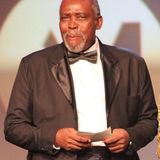
Trained at the Royal Academy of Dramatic Art, Jacobs appeared in British television and international films such as The Dogs of War before helping establish Nollywood’s acting tradition. His dignified bearing and expressive voice made his portrayals of rulers and fathers especially memorable. His death on 16 September 2026 marked the end of a career spanning African and international stage and screen.

Nnaji became a central figure in Nollywood’s rise through films such as Ijé and Tango with Me. Her understated performances helped establish a style of screen acting that relied as much on emotional restraint as dramatic intensity. In Lionheart, which she also directed, she portrayed a businesswoman navigating family expectations and entrenched assumptions about female leadership.
Zaki was renowned for transforming himself into characters drawn from very different parts of Egyptian society. His work in The Innocent and The Wife of an Important Man revealed the human consequences of power, while Nasser 56 and Days of Sadat required him to embody two distinct historical figures. His performances helped shape a generation of Egyptian screen realism.

Born in Cotonou, Hounsou developed an international acting career that gained major recognition through his portrayal of Cinqué in Amistad. He earned Oscar nominations for In America and Blood Diamond, bringing physical and emotional intensity to very different roles. His work in Gladiator and later franchise films extended a career distinguished by memorable supporting and leading performances.

Theron grew up in South Africa before establishing a film career abroad. Her Oscar-winning performance in Monster required a radical transformation, while Mad Max: Fury Road and North Country demonstrated her range in action and social drama. Her strongest work combines physical precision with a willingness to portray difficult, contradictory characters.
A member of a West African griot family, Kouyaté carried the authority and economy of oral storytelling into theatre and film. His collaboration with Peter Brook brought him to international stages, and his portrayal of a father searching for his son in London River earned the Berlinale’s 2009 Silver Bear for best actor. His work also includes Sia, the Dream of the Python. Origins and affiliation: Burkina Faso / Mali.

Born and raised in London to a Sierra Leonean father and Ghanaian mother, Elba established himself through Stringer Bell in The Wire and his Golden Globe-winning work in Luther. He portrayed Nelson Mandela in Mandela: Long Walk to Freedom and appeared in Beasts of No Nation. His public advocacy for African film infrastructure complements, rather than substitutes for, his acting achievements. Origins and affiliation: United Kingdom (Sierra Leonean and Ghanaian heritage).
Nicknamed the Cinderella of Egyptian cinema, Hosny moved between musical comedy, romance and demanding social drama with exceptional ease. Her films include Watch Out for Zouzou, Al-Karnak and Shafiqa and Metwally. Her expressive, spontaneous screen presence gave characters a sense of individuality that helped make her one of the enduring faces of Egyptian popular culture.
Born in London to Igbo parents from Nigeria, Ejiofor earned an Oscar nomination and a BAFTA for portraying Solomon Northup in 12 Years a Slave. Dirty Pretty Things and Half of a Yellow Sun illustrate his sensitivity to migration, displacement and Nigerian history. His acclaimed stage work, including Othello, reflects the classical training underlying his screen performances. Origins and affiliation: United Kingdom (Nigerian heritage).

Widely known as Osuofia, Owoh turned comic observation of everyday Nigerian life into an internationally recognisable Nollywood style. Osuofia in London and Ukwa established his gift for verbal invention, opportunistic characters and physical comedy. His later work in films such as Lionheart showed that his timing could also enrich a more restrained ensemble drama.
Khumalo emerged as the lead of the stage musical Sarafina!, earning a Tony nomination before reprising the role in the 1992 film. Her performance in Yesterday, as a rural mother living with HIV, demonstrated an entirely different kind of emotional power. Her later work in South African serial drama extended a career rooted in the country’s own stories.

Akindele created one of modern Nollywood’s most recognisable comic characters in Jenifa, using language, physical expression and social aspiration to make the character unmistakable. Jenifa’s Diary extended her popularity on television, while Omo Ghetto: The Saga and A Tribe Called Judah demonstrated her ability to lead major theatrical releases. Her comedy often carries an underlying awareness of class and survival.

Youssra has been a major presence in Egyptian cinema and television since the late 1970s. Her collaborations with directors including Youssef Chahine and her role in The Yacoubian Building reveal the dramatic range behind her glamorous public image. Her television career has sustained that relevance through stories about family, social status and personal relationships.
Shawqi earned a huge popular following through Egyptian action films and melodramas, playing characters whose strength often concealed vulnerability. His films include They Made Me a Criminal and The Tough. Over several decades he moved beyond his image as a physically imposing hero into more complex character roles, retaining an exceptional connection with Egyptian cinema audiences.

Popularly called RMD, Mofe-Damijo established himself through Nigerian television before becoming a leading figure in Nollywood. His work in Out of Bounds, The Wedding Party and Shanty Town demonstrates the ease with which he moves between romance, comedy and crime drama. His controlled delivery and charismatic presence have remained distinctive across changing eras of Nigerian filmmaking.

Known affectionately as Mama G, Ozokwor made the forceful mother, formidable mother-in-law and calculating family matriarch enduring figures of Nollywood popular culture. Her performances in films including Old School and Chief Daddy reveal a capacity for both confrontation and comedy. Her reputation rests on the particular energy she brings to family conflicts rather than on villainy alone.
Yassin was one of the defining comic actors of Egyptian cinema in the mid-twentieth century. His series of films set in the army, navy and police made use of his extraordinary facial expressions, distinctive voice and ability to turn everyday embarrassment into comedy. His influence survived the passing of the studio era that made him famous.
Sy rose from French sketch comedy to international cinema through The Intouchables, winning the César for best actor for his performance as a caregiver whose irreverence transforms a friendship. In Lupin, he uses charm, humour and careful shifts in identity to sustain a sophisticated television lead. His work in Father & Soldier also engages directly with Senegalese history. Origins and affiliation: France (Senegalese and Mauritanian heritage).

Born in Iowa and raised partly in Zimbabwe, Gurira combines a background in African theatre with an international screen career. She brought physical commitment and emotional complexity to Michonne in The Walking Dead and Okoye in Black Panther. Her performance in Mother of George showed a quieter side of her talent through a story of family expectations and migration. Origins and affiliation: Zimbabwe / United States.
Nouah became a familiar leading man during Nollywood’s video-film era, particularly through romantic dramas. His performance in Kunle Afolayan’s The Figurine earned him the Africa Movie Academy Award for best actor in 2010. Films such as 30 Days in Atlanta and his later work on Living in Bondage: Breaking Free show an ability to adapt to Nigeria’s evolving screen industry.
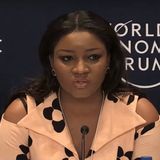
Jalade Ekeinde emerged in the 1990s and became one of Nollywood’s most widely recognised actresses. Her work in Mortal Inheritance, Ijé and Last Flight to Abuja demonstrated the intensity she could bring to melodrama, family conflict and suspense. Her long career helped establish the continental visibility of Nigerian women as screen stars.
Mokae’s collaboration with Athol Fugard placed him at the heart of South African protest theatre. His performance in Master Harold...and the Boys earned a Tony Award in 1982, and films including A Dry White Season carried his talent to wider audiences. His work is notable for the human detail he brought to characters living under apartheid.
Sabry gained early recognition in The Silences of the Palace and developed a major career in Egyptian and Tunisian cinema. In Asmaa, she portrays a woman facing stigma associated with HIV, while Noura’s Dream explores a woman trying to reclaim control of her life. Her performances have made her a distinctive presence across North African screen industries.
Twala’s decades of work in South African theatre, film and television culminated in a remarkable late-career performance as Mantoa in This Is Not a Burial, It’s a Resurrection. Her roles in Sarafina!, Mapantsula and other productions established a distinctive screen presence. She could communicate the weight of personal history through a glance or a small movement.
Ntshona helped create The Island and Sizwe Banzi Is Dead, works that exposed apartheid through intimate human stories and theatrical invention. His joint Tony Award with John Kani recognised the force of those performances. He later appeared in A Dry White Season and other international films, bringing the experience of South African theatre to screen audiences.
Efe was a gifted comic actor whose rapid speech, facial expression and inventive use of English and Nigerian Pidgin made ordinary conversations into memorable scenes. His work in Langbodo and numerous Nollywood comedies, established a distinctive comic tradition. He remained an influence on Nigerian performers long after his death in 2011.
Chweneyagae gained worldwide recognition as the young protagonist of Tsotsi, the South African feature that won the foreign-language film Oscar in 2006. His performance gradually revealed the humanity of a character accustomed to violence and isolation. He subsequently became a television favourite as Cobra in The River, demonstrating an ability to sustain a complex role across serial drama.
Sobowale became a familiar face of Nigerian television through the character Toyin Tomato in Super Story. Her performance as the formidable Eniola Salami in King of Boys and its television continuation gave her a commanding role in contemporary Nollywood. Her career combines forceful emotional delivery, sharp humour and a highly recognisable dramatic presence.
El-Sherif built an extensive career across cinema, stage and television, moving from popular leading roles into the socially observant films of Egyptian realism. The Bus Driver and Al-Karnak are important examples of his ability to portray individuals pressured by institutions and economic hardship. His television work also reached generations of viewers across the Arab world.

Dominic’s work spans the early Nollywood video era and the growth of contemporary African feature cinema. In The Meeting, her transformation into the fiercely self-important receptionist Clara Ikemba demonstrated formidable comic character acting. Her award-winning performance in Shattered and her role in ’76 highlight her ability to move between intimate drama and historical storytelling.
Born in London to Ugandan parents, Kaluuya developed a reputation for emotionally precise acting through British television and theatre. Get Out earned him an Oscar nomination, and Judas and the Black Messiah brought him the supporting actor Oscar. His performances often derive their intensity from pauses, controlled reactions and a gradual revelation of inner conflict. Origins and affiliation: United Kingdom (Ugandan heritage).
Shadia established herself as one of Egyptian cinema’s leading actresses as well as an accomplished singer. In My Wife the General Manager, she used comedy to explore changing expectations about women and work, while A Taste of Fear revealed her capacity for serious dramatic acting. Her artistic reputation extends well beyond the musical performances that first helped establish her popularity.
Okonedo earned an Academy Award nomination as Tatiana Rusesabagina in Hotel Rwanda. Her work in Dirty Pretty Things, Tsunami: The Aftermath and British theatre reveals considerable adaptability across social drama and classical performance. A Tony-winning actress, she has built a career distinguished by the complexity of her characterisations rather than dependence on a single type of role. Origins and affiliation: United Kingdom (Nigerian heritage).
Iyke built a career as one of Nollywood’s most recognisable leading men through romantic dramas, crime stories and films including Last Flight to Abuja and Merry Men. His assertive delivery and physical presence helped define a type of ambitious, sometimes volatile urban character in Nigerian popular film. His long-running career has outlasted the video-film era in which he rose to fame.
Born in Canada and raised partly in Ghana, Appiah became a household name through the television series Things We Do for Love. Films such as Perfect Picture and The King Is Mine carried her popularity across Ghana and Nigeria. Her strengths lie in emotional immediacy, romantic drama and the ability to make complicated family relationships accessible to popular audiences.
Silva established herself across Nigerian theatre, television and film, combining formal dramatic training with a compelling screen presence. Her performances in Women’s Cot and The Secret Laughter of Women illustrate her ability to handle family tensions and emotional ambiguity. Alongside her acting career, her work in training and theatre development has influenced subsequent generations of Nigerian actors.
Kanumba was a leading star of Tanzania’s Bongo Movies industry, with performances in films such as A Point of No Return and Devil Kingdom. His work with actors from Nigeria helped bring Swahili-language popular cinema into contact with wider African audiences. His death in 2012 cut short a career that had already helped establish the ambitions of a new Tanzanian film generation.

Michel gained recognition through Ghanaian television and the film Divine Love before becoming a major star in the Ghana–Nigeria film circuit. His performances in Somewhere in Africa and The Game showed a willingness to move beyond romantic leads into darker dramatic material. He won the 2012 Africa Movie Academy Award for best actor for Somewhere in Africa.
Malek, born in California to Egyptian parents, gained acclaim for his portrayal of Elliot Alderson in Mr. Robot, earning a lead actor Emmy. His performance as Freddie Mercury in Bohemian Rhapsody brought him the best actor Oscar. His acting is distinguished by precise character mannerisms, unconventional rhythms of speech and an ability to convey internal tension. Origins and affiliation: United States (Egyptian heritage).
Abdel Aziz combined mainstream stardom with an extraordinary capacity for character transformation. His portrayal of Sheikh Hosny in Kit Kat, a blind man navigating the streets and relationships of Cairo, became one of his most celebrated achievements. The television series Raafat El Haggan further established his reputation for sustained dramatic performances.
Schuster became a major figure in South African popular comedy through films including Mr Bones and There’s a Zulu on My Stoep. His elaborate character disguises, physical comedy and linguistic versatility made his films widely recognisable. Some of his racial caricatures have been criticised, a contested aspect of a substantial and commercially successful screen-comedy career.
A Juǀʼhoansi performer from Namibia, N!xau became internationally known as Xi in The Gods Must Be Crazy and its sequel. His expressive physical comedy and unforced screen presence anchored films whose humour depended heavily on encounters between very different worlds. His acting legacy should be distinguished from the films’ contested representations of San people.

Iheme became a cultural phenomenon as Pawpaw in Aki na Ukwa, forming an enduring screen partnership with Chinedu Ikedieze. His expressive reactions, sharp timing and mischievous delivery made his comedy travel far beyond Nigerian audiences. The continuing circulation of scenes from his films across digital platforms reflects the lasting recognisability of his performances.
Known to generations of African viewers as Aki, Ikedieze helped create one of Nollywood’s most successful comic partnerships. His work in Aki na Ukwa and the television sitcom The Johnsons demonstrates a facility for both rapid situational comedy and the continuity of a long-running character. His performances remain a staple of Nigerian popular culture.

Mbedu first attracted major attention through the South African television drama Is’Thunzi, earning International Emmy nominations. Her portrayal of Cora in The Underground Railroad conveyed the endurance and changing emotional life of a fugitive from slavery across an expansive series. The Woman King subsequently demonstrated her ability to carry demanding physical action alongside intimate drama.
Kanayo Anayo Modestus Onyekwere was part of the cast of Living in Bondage, the 1992 video film that became a landmark of modern Nollywood. His portrayals of ambitious businessmen, influential elders and morally conflicted figures became closely associated with Nigerian stories about wealth and power. His controlled delivery gives even highly melodramatic situations a compelling sense of conviction.
Maake kaNcube has worked extensively in South African theatre and television, becoming a household name as Archie Moroka in Generations. His later portrayal of Daniel Nyathi in Scandal! demonstrated his capacity for sustained and morally complicated character work. A powerful stage voice and precise dramatic delivery distinguish his work across different media.
Copley emerged internationally through District 9, where his portrayal of Wikus van de Merwe shifted from officious comic awkwardness to fear and desperation. His later performances in Elysium and Chappie demonstrated a willingness to adopt radically different voices and physical characterisations. His acting career grew directly from South Africa’s independent filmmaking scene.
Born in Addis Ababa to an Ethiopian father and Irish mother, Negga became an acclaimed stage and screen actress. Her Oscar-nominated performance in Loving communicates resilience with remarkable economy, while Passing explores the uncertainty surrounding a woman’s public identity. Her work in Preacher and classical theatre reveals considerable range beyond those intimate period dramas. Origins and affiliation: Ethiopia / Ireland.
Ikpe-Etim gained wide recognition through Reloaded before taking on a succession of demanding roles in Nigerian film. Her performances in Phone Swap, Journey to Self and The Meeting reveal her adaptability across comedy and drama. In King of Boys: The Return of the King, she brought a poised intensity to a character navigating competition and political ambition.
Benson became a prominent figure in Nigerian television through Fortunes before appearing in influential Nollywood films including Glamour Girls and Diamond Ring. Her poised screen presence and dramatic intensity helped define an era of stories about ambition, family secrets and social respectability. She remains closely identified with the emergence of Nigerian video-film stardom.
Taghmaoui’s breakthrough as Saïd in La Haine established him as a performer capable of bringing humour, frustration and spontaneity to intense social drama. His career subsequently expanded through Three Kings, The Kite Runner and Wonder Woman. Born in France to Moroccan parents, he represents a North African diaspora career rooted in both European and international cinema. Origins and affiliation: France (Moroccan heritage).
El Gendy became a major commercial star through Egyptian thrillers, melodramas and films about power, crime and social ambition. Her leading work in The Addiction and The Female Spy helped establish an unusually durable female star persona in a film industry often centred on men. Her performances combine dramatic assertiveness with an instinct for popular storytelling.
Motshegwa’s work on South African television includes celebrated performances in Backstage and The River, where her expressive delivery and emotional range became especially evident. Her international film credits include Drum. She is distinguished by her ability to give characters complexity even when the surrounding drama depends on heightened conflict.
Ebeid built a long career through Egyptian popular drama, with notable roles in The Dancer and the Politician and The Dancer and the Drummer. Her collaborations with writers and directors examining ambition, social status and gender brought more complexity to her glamorous screen image. Her enduring popularity reflects decades of work at the centre of commercial Egyptian cinema.
Boyega emerged through the British film Attack the Block before taking on the role of Finn in the Star Wars sequel trilogy. His performance in Red, White and Blue, part of Steve McQueen’s Small Axe anthology, won a Golden Globe and demonstrated his ability to carry socially grounded drama. His work in The Woman King also connected him to African historical storytelling. Origins and affiliation: United Kingdom (Nigerian heritage).
Vicker built a cross-border career through Ghanaian and Nigerian video films, including Divine Love and Beyoncé: The President’s Daughter. His romantic leading roles helped make Ghanaian screen entertainment familiar to audiences across West Africa. His career is an example of the sustained exchange of talent between Ghallywood and Nollywood.
Esiri became widely known through the long-running Nigerian television drama The Village Headmaster. His later film career included The Assassin’s Practice, for which he received posthumous recognition as best actor at the 2013 Africa Movie Academy Awards. His gift for authority and measured dialogue made him a respected presence across generations of Nigerian screen drama.
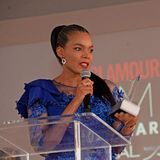
Ferguson grew up in Botswana and became one of South African television’s most recognisable stars as Karabo Moroka in Generations. Her later roles in The Queen and Kings of Jo’burg demonstrate her capacity for emotionally charged, sustained serial storytelling. She has also helped develop commercially successful South African television productions. Origins and affiliation: Botswana / South Africa.
Ogunde was a pioneer of modern professional Yoruba theatre, bringing music, acting, social observation and political satire together in travelling productions. His troupe later moved into feature films, including Aiye and Jaiyesimi. His contribution to African acting lies in the performance tradition he helped establish, as well as the work he personally brought to stage and screen.
Keïta was a familiar face and voice in Malian theatre and cinema. His collaborations with filmmakers such as Souleymane Cissé, notably in Baara and Finye, helped bring the social and political realities of post-independence Mali to the screen. His importance lies partly in the distinctive local acting tradition that he brought to landmark African films.
Born in Lagos, Kae-Kazim developed a career in theatre and screen productions across Britain, South Africa and the United States. His performance as George Rutaganda in Hotel Rwanda and his television roles in 24 and Black Sails made him a recognisable international character actor. His work spans historical drama, action and psychological conflict. Origins and affiliation: Nigeria / United Kingdom.

Johnson’s career took off during the Nigerian video-film boom, where she became known for performances that ranged from village drama to urban comedy. Dumebi the Dirty Girl demonstrated her willingness to employ physical humour and exaggerated characterisation. Her versatility and emotional directness have made her an enduring favourite in popular Nollywood storytelling.
Okpala became nationally famous as Chief Zebrudaya in the Nigerian television comedy New Masquerade. His distinctive manipulation of English, theatrical delivery and commentary on everyday life helped turn the character into a cultural institution. The durability of that performance gives him an important place in the history of African television comedy.
Born in Abidjan, de Bankolé built a distinctive international career in films including Black Mic Mac, Chocolat and Night on Earth. His frequent collaborations with Jim Jarmusch and appearances in films such as Casino Royale demonstrate his versatility in character roles. His measured delivery and expressive stillness are particularly effective in understated screen performances.
A veteran of Senegalese theatre and cinema, Ndiaye Doss brought a compelling physical and vocal presence to films including Guelwaar, Tableau Ferraille and Tey (Today). His work links different generations of Senegalese directors and acting traditions. He is especially associated with characters whose social standing and family responsibilities carry dramatic weight.
Ezuruonye emerged as a major Nollywood leading actor in the 2000s, appearing in romantic dramas, family stories and comedies across the Nigerian video-film industry. His performances in films including The Duplex show a willingness to explore suspense alongside more familiar romantic material. He has continued to work across the transition from home video to contemporary feature filmmaking.
Mokeme developed his career during Nollywood’s video-film era, combining an imposing physical presence with dramatic roles. His portrayal of Scar in Shanty Town demonstrated an ability to sustain a threatening and unpredictable character across a contemporary crime series. The performance brought renewed attention to an actor whose career had already encompassed several decades of Nigerian entertainment.

Abraham established herself in Yoruba-language cinema before becoming a major figure in mainstream Nigerian theatrical releases. Her Alakada films and The Ghost and the Tout showcase her flair for comic confusion, exaggerated reactions and familiar social situations. Her career demonstrates how local-language performance traditions continue to shape contemporary Nollywood.
Dokubo was a prominent figure during Nollywood’s formative years, particularly in films centred on family relationships and social conflict. Her work in Stigma and other Nigerian dramas demonstrates her ability to communicate hurt, resolve and maternal concern without relying entirely on dialogue. Her career remains closely associated with the dramatic traditions of early Nollywood.
Doyle’s career in Nigerian television includes the long-running series Tinsel, while films such as Fifty and The Wedding Party established her in contemporary theatrical Nollywood. Her performances are marked by precise speech and a strong sense of the social worlds her characters inhabit. She has become particularly accomplished at portraying professional women and complicated family relationships.
Olaiya helped shape Nigerian popular comedy through the Alawada theatre group, television and films including Orun Mooru and Aare Agbaye. His exaggerated costumes, inventive comic situations and distinctive characters brought Yoruba theatrical traditions to large audiences. His work predates the Nollywood video boom and is central to understanding its comedy traditions.
Born in London to Nigerian parents, Akinnuoye-Agbaje became known for his portrayal of Simon Adebisi in Oz and later Mr. Eko in Lost. His work in films including The Bourne Identity and Concussion reveals the emotional depth underlying his imposing physical presence. His acting career spans long-form television and major international features. Origins and affiliation: United Kingdom (Nigerian heritage).
Oyelowo, who spent part of his childhood in Nigeria, received widespread acclaim for portraying Martin Luther King Jr. in Selma. His performances in A United Kingdom and The Butler demonstrate his range across historical narratives, while Nightingale relies almost entirely on his ability to sustain an intimate, psychologically demanding solo performance. Origins and affiliation: United Kingdom (Nigerian heritage).
Born in London to a Zimbabwean mother and English father, Newton built an international career through films including Flirting, Beloved and Crash. She received a BAFTA for Crash and an Emmy for her portrayal of Maeve in Westworld. Her work frequently involves characters navigating complex power relationships and questions of identity. Origins and affiliation: United Kingdom (Zimbabwean heritage).
Akintola developed a reputation for emotionally expressive acting through films including Owo Blow and Out of Bounds. In 93 Days, she portrays Dr Ameyo Adadevoh during Nigeria’s Ebola response, bringing restraint and professional conviction to a demanding historical role. Her career spans both Yoruba-language cinema and English-language Nigerian film.

Edo became a major Nollywood star through films such as World Apart, establishing a career in romantic dramas, family stories and comedies. Her later work as both actor and producer on Shanty Town, in which she plays Inem, shows her engagement with the increasingly ambitious crime dramas of contemporary Nigerian television.
Ngubane was a leading figure of South African television through his portrayal of Sibusiso Dlomo in Generations. His subsequent work as Judas Ngwenya in Isibaya illustrated his ability to inhabit powerful and conflicted characters over long-running storylines. His death in 2021 ended a screen career that had helped define popular South African serial drama.
Gamal became famous for dancing, but her substantial film career also made her a leading figure of Egyptian musical cinema. Her roles in films including Afrita Hanem and Ali Baba and the Forty Thieves gave her opportunities to combine comic timing, romance and physical expression. Her work belongs to an era in which acting, music and dance were closely intertwined.
Adekola became one of the leading stars of contemporary Yoruba-language cinema through films such as Asiri Gomina Wa and Sunday Dagboru. His expressive reactions and command of comic timing have made his performances widely recognisable even beyond Yoruba-speaking audiences. He has also taken on historical and fantasy drama in productions such as Elesin Oba: The King’s Horseman.
Buari became a familiar figure in Ghanaian cinema through films including Mummy’s Daughter and Beyoncé: The President’s Daughter. Her performances in romantic dramas helped establish the recognisable visual and emotional language of the Ghanaian video-film boom. Her popularity extended into Nigeria through the shared West African film market.
El-Fakharany developed a distinguished reputation through Egyptian theatre, film and especially television. His work in Layali El Helmeya and Abbas Al Abyad in the Black Day demonstrates an ability to sustain humour, vulnerability and social observation across long-running dramas. His performances have become familiar across generations of Egyptian households.
Ojo began acting as a child in Nigeria and developed a career spanning British television and Nigerian cinema. His work in Phone Swap, The CEO and Breath of Life shows his adaptability between comedy, romance and more introspective dramatic material. His performance in Breath of Life won the AMVCA best lead actor award in 2024. Origins and affiliation: Nigeria / United Kingdom.
Kunene established himself as a formidable South African character actor through television roles including Jack Mabaso in Generations and Funani Zwide in House of Zwide. His film appearances include Cry, the Beloved Country. His controlled voice and imposing presence make him especially effective in roles involving family loyalties, authority and ambition.
Weyers has worked across Afrikaans theatre, television and international cinema, becoming widely recognised through his role as the awkward scientist Andrew Steyn in The Gods Must Be Crazy. His film career also includes Blood Diamond and other international productions. His comic timing and understated character acting have sustained a long screen career.
Gueye is closely associated with Ousmane Sembène’s cinema, notably as the central character Ibrahima Dieng in Mandabi. His performance as a man trying to navigate the bureaucracy surrounding a money order helped make the film’s social satire both funny and painful. He also appeared in Xala, contributing to the foundations of postcolonial Senegalese film.
Mofokeng’s work extends from theatre into landmark South African films such as Cry, the Beloved Country and Tsotsi. His performance in the latter as the disabled man encountered by the protagonist gives a brief scene substantial emotional weight. He has also been a regular presence in South African television drama, including Scandal!.
Salami emerged from Nigeria’s Yoruba travelling theatre tradition, becoming a familiar figure through the Awada Kerikeri group and television. His work in films such as Ogun Ajaye helped carry theatrical acting into the Nigerian film industry. His longevity and influence on younger performers make him an important link between generations of Yoruba-language entertainment.
Bartlett became a major South African television personality through his portrayal of David Genaro in Rhythm City. His ability to combine charm, menace and unpredictable humour gave the character unusual longevity. His stage and film career included productions such as Red Dust, demonstrating the range of his acting beyond the serial drama that made him famous. Origins and affiliation: South Africa / United Kingdom.
Zaki has built a major Egyptian screen career across romantic comedy, family drama and socially challenging material. Her performances in Sleepless Nights, Scheherazade, Tell Me a Story and Flight 404 illustrate her ability to balance immediate emotional accessibility with more difficult character conflicts. Her work bridges commercial Egyptian cinema and ambitious contemporary filmmaking.
Henedy became a leading figure in Egyptian comedy in the late 1990s, notably through Ismailia Rayeh Gayy and A Sa’idi in the American University. His distinctive voice and physical timing helped shape a commercially successful generation of Egyptian comic filmmaking. His characters frequently draw humour from social ambition and the confusion of changing environments.
Dlathu became widely known as Thandaza in Muvhango and subsequently earned acclaim for playing Lindiwe Dikana in The River. Those very different long-running characters reveal her ability to convey both vulnerability and calculated ambition. Her work is a major example of the sustained acting skill required in South African television drama.
Agya Koo helped turn Ghana’s Akan-language Kumawood films into a major popular entertainment tradition. His comic delivery, quick reactions and familiarity with local social situations made him a recognisable leading performer in films built around everyday relationships. His success demonstrates the cultural influence of African-language cinema beyond productions aimed at international festivals.
Egbuson-Akande built her career in Nollywood’s video-film era before taking prominent roles in contemporary features including Fifty and Isoken. Her performance style combines emotional restraint with a natural conversational quality that is particularly effective in stories about relationships and professional life. Her work connects several generations of Nigerian romantic and family drama.
Beya’s performance as the title character in Félicité placed her at the centre of a vivid portrait of contemporary Kinshasa. She conveys the exhaustion, pride and resilience of a nightclub singer seeking medical help for her injured son. The role earned her the 2017 Africa Movie Academy Award for best actress in a leading role.
Sy Savané established a career in West African and European cinema, with performances in films including Au nom du Christ and La Nuit de la vérité. She brings an assured physical presence to stories about faith, community and political conflict. Her sustained work across national film industries has made her an important figure in francophone African screen acting.
Omaboe became a familiar figure in Ghanaian television through productions including Obra and the storytelling programme By the Fireside. Her performances drew on Ghanaian oral traditions, family relationships and the expressive possibilities of local-language entertainment. She helped establish a recognisable tradition of television acting that preceded the rise of Ghana’s video-film stars.
Dontoh’s career in Ghanaian stage, television and cinema grew from the national theatre and film traditions that preceded the commercial video era. His work in productions such as Heritage Africa and The Dead spans historical and contemporary genres. His sustained acting career and involvement in Ghana’s film institutions connect several generations of the country’s screen culture.
Ebouaney gained attention for portraying Patrice Lumumba in Raoul Peck’s Lumumba, a performance demanding both political conviction and intimate emotional detail. His career includes The Front Line, Disgrace and other African and international productions. Born in France to Cameroonian parents, he has worked extensively across French-language and English-language cinema. Origins and affiliation: France (Cameroonian heritage).
Adebayo built a substantial career in Yoruba-language cinema, from early work in Owo Blow to leading performances in King of Thieves and Jagun Jagun. His ability to move between domestic comedy and elaborate historical fantasy demonstrates the range of the contemporary Yoruba film industry. His screen performances draw on a long family tradition of theatrical work.

Nelson emerged through Ghanaian popular films, including Princess Tyra, before developing a career in Nigerian and Ghanaian productions. House of Gold and Single and Married reflect her interest in romantic and family stories. Her screen presence and entrepreneurial work have helped sustain a Ghanaian star tradition beyond the peak of the video-film era.
Elebuwa was a familiar Nigerian television performer before building a substantial Nollywood career. His work ranged from domestic drama to characters defined by social standing and moral conflict. The Andrew character in a well-known Nigerian television campaign also made his face instantly recognisable to a generation of viewers, reflecting his ability to communicate through ordinary speech and gesture.
Bukeko’s portrayal of Papa Shirandula, a security guard navigating the demands of work and family life, became a Kenyan television institution. His expressive physical comedy and use of familiar Kenyan speech gave the character warmth and broad appeal. His career, which ended with his death in 2020, helped demonstrate the commercial potential of locally grounded Kenyan sitcoms.
Biyouna became a major figure in Algerian popular television and comedy through productions including El-Harik. Her later roles in Viva Laldjérie and Délice Paloma brought her distinctive blend of humour, emotional candour and streetwise characterisation to international film audiences. Her career links Algerian popular entertainment with contemporary francophone cinema.
Bakaba established himself in Ivorian theatre and African cinema, appearing in films including Bal Poussière and The Colonial Friend. His career encompasses historical and contemporary drama, as well as work as a director. As a performer and theatre practitioner he has contributed to the development of francophone African acting beyond a single national film industry.
Nkosi played the memorable character Aap in Tsotsi and later co-starred in White Wedding. His screen career demonstrates a particular gift for combining humour and dramatic warmth within ensembles. Through film and television he has become an established performer in South African popular cinema, particularly in stories about friendship, social mobility and cultural encounters.
Elwi became one of Egypt’s leading actresses through an extensive career in film and television. Her work in The Destiny and I Love Cinema illustrates her ability to contribute to both historical narratives and intimate portraits of family life. Her versatility has allowed her to remain visible across several generations of Egyptian filmmaking.
Kamel is renowned for portraying ordinary people with humour, emotional honesty and distinctive mannerisms. Her roles in The Innocent and the television drama Lan A’eesh Fi Gilbab Abi demonstrate the different registers of her acting. She became particularly popular for characters whose strength and vulnerability emerge from familiar Egyptian family settings.
Mwine built an acting career spanning African theatre and American television, with recurring roles in Treme, The Knick and The Chi. His one-man play Biro premiered at Uganda’s National Theatre, while his lead performance in Farewell Amor won best actor at the 2020 Durban International Film Festival. His work frequently explores migration, belonging and fractured family relationships. Origins and affiliation: Uganda / United States.
Zem developed a substantial career in French-language film, earning shared acting honours at Cannes for Days of Glory and the César for best actor for Oh Mercy!. His performances range from intimate family drama to crime and historical films. Born in France to Moroccan parents, he brings a measured, observant acting style to a wide range of characters. Origins and affiliation: France (Moroccan heritage).
Dandala became widely recognised as Derek Nyathi in the South African television drama Isidingo. His later work in Jacob’s Cross and The River demonstrated a capacity for sustained dramatic characterisation in stories about ambition, family and professional power. His screen career has extended across several decades of South African television.

Elliot established himself as a leading man in the Nigerian video-film industry, with credits including Men Who Cheat and Reloaded. His performances in romantic and family dramas made him a recognisable figure during Nollywood’s continental expansion. His later directing career is separate from the considerable body of acting work on which his inclusion rests.
Dumelo became popular across Ghana and Nigeria through romantic dramas and ensemble films such as The King Is Mine and A Northern Affair. His affable screen presence and ease with romantic dialogue helped make him a familiar leading actor in the West African video-film industry. He has also appeared in comedies and more serious social dramas.
Olita gained international attention for his portrayal of Idi Amin in Rise and Fall of Idi Amin and later in Mississippi Masala. His imposing presence allowed him to embody a historically recognisable figure in productions with very different narrative approaches. The roles gave the Kenyan actor a distinctive place in the history of East African screen performance.
Known in Mali as Guimba National, Dembélé developed his career through theatre and screen comedy. His performance in Guimba the Tyrant drew on the expressive rhythms of Malian performance traditions to give life to a story about power and resistance. His sustained work in theatre and cinema has made him a recognisable figure in Malian cultural life.
Nyembe became a familiar figure in South African television through roles in Zone 14 and Isibaya. Her performances often drew on the rhythms of township life and the complicated bonds of extended families. Her extensive screen work also included films such as Yesterday, connecting popular serial drama with South Africa’s internationally recognised feature cinema.
El Fad is a leading Moroccan comic performer whose television work, notably L’Couple, drew on the rhythms of everyday Moroccan speech and rural domestic life. His comedy depends on the precise observation of ordinary characters and their relationships rather than spectacle. That approach has made his recurring characters familiar to Moroccan audiences across generations.
Bouajila has built a major French-language screen career, including Days of Glory and The Witnesses. He won the César for best actor for A Son, a Tunisian family drama in which a medical crisis reveals difficult personal truths. His performances combine an understated manner with the capacity to sustain considerable dramatic tension. Origins and affiliation: France (Tunisian heritage).
Edjeani developed a career in Ghanaian television and film, including performances in The Cursed Ones and I Sing of a Well. Her work bridges earlier national television traditions and contemporary African independent cinema. Her performances are frequently grounded in family and community relationships, making her a notable presence across changing Ghanaian production styles.
Fellag established himself in Algerian theatre and comedy before building a wider French-language stage and film career. In Monsieur Lazhar, his portrayal of an Algerian teacher coping with grief earned him international recognition. His work often combines wit with emotional restraint, particularly in stories concerning migration and the difficulties of communication across cultures.
Coulibaly gained international acclaim for her role as Collé in Ousmane Sembène’s Moolaadé. Her performance conveys the determination of a woman defending young girls from a harmful practice while facing intense social pressure. Her career in Malian radio, theatre and cinema gave that landmark role a firm grounding in local storytelling.
El Ouali became a prominent Moroccan actor through films and television series including Lalla Hobi and the sitcom Lalla Fatima. His career encompasses popular comedy, domestic drama and work behind the camera. His easy familiarity with Moroccan social settings and speech has helped make him one of the country’s recognisable screen personalities.
Keltoum was a pioneer of Algerian theatre who brought decades of stage experience into film. Her performance as a mother in Mohammed Lakhdar-Hamina’s The Winds of the Aurès made the human cost of colonial conflict immediate through grief and determination. Her career forms part of the foundation of modern Algerian dramatic performance.
Ofula has worked in Kenyan theatre, television and film alongside international productions including The Constant Gardener and Lara Croft Tomb Raider: The Cradle of Life. His career reflects the experience of Kenyan actors moving between local drama and films made with international crews. He is particularly effective at giving authority and individuality to supporting characters.
Azabal’s performances in Paradise Now and Incendies established her as an actress capable of sustaining psychologically demanding roles. In The Blue Caftan, she portrayed a woman confronting the fragility of her marriage and health in a Moroccan setting. Her work spans several languages and frequently relies on subtle emotional expression rather than overt dramatic display. Origins and affiliation: Belgium (Moroccan and Spanish heritage).
Branch established himself in Nigerian theatre and television before becoming a familiar screen actor in productions including Domino and House of Ga’a. His resonant delivery and physical authority make him especially effective in roles involving leadership, family conflict and ambition. His work spans both Yoruba-language and English-language film traditions.
Mbatha rose to prominence in the South African soap opera Isibaya before taking on international film roles. Her portrayal of Queen Nandi in Shaka iLembe demonstrates her capacity to carry family and historical drama over an extended television narrative. Her screen career also includes Coming 2 America and Tell Me Sweet Something.
Kouiret was a major figure of Algerian theatre and cinema, appearing in films including The Opium and the Stick and Chronicle of the Years of Fire. His screen work emerged from a generation of performers who helped build Algeria’s cultural institutions around independence. His contribution extends across historical drama, theatre and popular screen storytelling.
Born in Nairobi, Gathegi moved to the United States and developed a screen career through House, Gone Baby Gone, Twilight and X-Men: First Class. His later work in For All Mankind showed his ability to build a sustained television character. His career has ranged from genre entertainment to more restrained dramatic supporting roles. Origins and affiliation: Kenya / United States.
Salem’s acting and filmmaking work spans Algeria and France. His lead performance in Masquerades uses village gossip, romantic complications and physical comedy to explore social expectations, while The Man from Oran turns to the aftermath of Algerian independence. His work draws much of its character from the language and humour of Algerian everyday life. Origins and affiliation: Algeria / France.
Born in Algiers, Boutella trained as a dancer before moving into screen acting. Her performances in Kingsman: The Secret Service, Atomic Blonde and Climax combine a highly developed physical vocabulary with the demands of character acting. She has become particularly distinctive in roles where movement, choreography and dramatic tension are inseparable. Origins and affiliation: Algeria / France.
Born in Dakar to a Malian father and Senegalese mother, Maïga established herself through French-language films including Bamako and The African Doctor. Her performances move between socially conscious drama and accessible family comedy. Her work in African and European cinema illustrates the interconnected film traditions in which many contemporary African actors develop their craft. Origins and affiliation: Senegal / France.
Sawadogo has worked across African and European theatre and film, including substantial roles in The Invader and The Paradise Suite. His performances frequently convey the pressure of migration, work and social isolation through a powerful physical presence. His multilingual career reflects the mobility of francophone African acting traditions.
Ademoye gained recognition in contemporary Nollywood through roles in films including Sugar Rush and Aníkúlápó. Her work in Selina earned the 2023 Africa Magic Viewers’ Choice Award for best actress in a comedy, while her dramatic roles show a distinct versatility. Her expressive physical comedy is matched by an ability to handle more restrained character moments.
Rostom appeared in Tunisian and international films, including The Silences of the Palace and The English Patient. His career brought him into contact with several filmmaking traditions, but his sustained involvement in Tunisian cinema remains central to his legacy. His screen presence could communicate authority or menace without requiring an extravagant performance.
Amidou became a recognisable Moroccan actor in French and international cinema through works including Life Love Death and Sorcerer. His collaborations with Claude Lelouch and appearances in American productions gave him an unusually broad career for a Moroccan performer of his generation. He brought a distinctive intensity to character roles across languages and genres.
Aigbe emerged as a leading actress in Yoruba-language film, appearing in productions including Ara and Osas. Her career later expanded into mainstream theatrical releases such as Ada Omo Daddy, demonstrating the continuing commercial importance of Yoruba popular cinema. Her acting often draws on recognisable family relationships and social tensions.

Ramadan rose through Egyptian films and television, becoming particularly associated with stories about class mobility, power and confrontation. His leading work in Al Ostora and Ibn Halal demonstrated an ability to sustain high-stakes melodrama across serial narratives. His music and celebrity are distinct from the acting career that established his initial public prominence.
Kaba’s work in francophone cinema includes Lumumba and other African and European film productions. Her career spans African and European productions, with recurring attention to family and social relationships. She represents the generation of performers who helped carry West African stories to wider film audiences. Origins and affiliation: Guinea / France.
Edochie established himself as a Nollywood performer through roles in traditional-set dramas, family stories and films such as Wind of Glory. His deep voice and forceful delivery became distinctive features of his screen style. His career is considered on the basis of his acting work rather than his family connections or public controversies.
Michael became a prominent performer in contemporary Nollywood action and crime-oriented popular films, with roles in Three Widows and The Generals. His energetic delivery and physical commitment helped establish a recognisable persona in films built around conflict and ambition. His screen work is particularly associated with the commercial video and online distribution traditions of southeastern Nigeria.

Although best known internationally as a director, Afolayan has a substantial acting background, including his early role in Saworoide and a leading part in The Figurine. His on-screen work reflects the Yoruba theatre and cinema tradition of his family. His acting contribution is considered separately from the success of the films he has directed.
Duany drew on his experiences of displacement in a career that includes I Heart Huckabees and The Good Lie. In the latter, his performance helped convey the difficulties of resettlement experienced by Sudanese refugees. His screen work provides a particularly personal link between South Sudanese history and international filmmaking.
Michael began acting as a child and became a major figure of Tanzania’s popular film industry. Her performances in Foolish Age and Mapenzi Ya Mungu helped establish her reputation in Bongo Movies, with the latter receiving regional recognition at the Africa Magic Viewers’ Choice Awards. Her career reflects the growth of Swahili-language screen entertainment.
Souleymane plays Amina in Mahamat-Saleh Haroun’s Lingui, the Sacred Bonds, a mother struggling to support her daughter under intense social pressure. Her quiet, deliberate performance makes the character’s choices credible without simplifying the surrounding community. The role is a compelling example of contemporary Chadian cinema’s concentration on intimate human experience.
Umuhire gained international attention through Birds Are Singing in Kigali, sharing the best actress award at Karlovy Vary in 2017 with Jowita Budnik. Her work in Omen and Neptune Frost illustrates the breadth of a career spanning different African and European film traditions. Her performances frequently convey a great deal through gesture and restraint.
Sepetu developed a career in Bongo Movies through romantic and family dramas, including A Point of No Return alongside Steven Kanumba. Her screen popularity grew during a period in which Tanzanian video films began attracting broader regional audiences. Her acting career is distinct from the celebrity and modelling work for which she is also known.
Niang’s performance as Anta in Djibril Diop Mambéty’s Touki Bouki helped shape one of the defining films of African modernist cinema. Her character’s desire to escape Dakar is expressed through confidence, impatience and an increasingly urgent sense of possibility. Anta’s refusal to accept the life others expect of her is integral to the film’s exploration of freedom and belonging.
Mugatsia made an acclaimed screen debut as Kena in Wanuri Kahiu’s Rafiki. Her portrayal of a young woman negotiating love, friendship and public scrutiny won her the best actress award at FESPACO in 2019. The performance is distinguished by the naturalness with which she conveys changing confidence and affection.

Kansiime became an internationally recognisable Ugandan comic performer through Don’t Mess with Kansiime and her recurring sketch characters. Her ability to switch quickly between exaggerated indignation, vulnerability and mischief made her work travel across African audiences. Her acting also includes the television sitcom Girl from Mparo, extending her character comedy into longer-form narratives.
Sané’s debut as Ada in Mati Diop’s Atlantics gave the film an emotional centre as it moved between romance, migration and the supernatural. Her understated performance captured a young woman making decisions under family pressure while confronting an unexplained loss. It remains an impressive introduction to contemporary Senegalese screen acting.
Abdi’s portrayal of Guled in The Gravedigger’s Wife anchors a Somali-language story about a man trying to obtain medical care for his wife. His performance relies on practical gestures and restrained emotion to reveal the character’s devotion. The role brought recognition to both Abdi and a film industry rarely visible on the international stage.
Kiki portrayed Satima in Abderrahmane Sissako’s Timbuktu, giving warmth and determination to a family living under increasingly restrictive conditions. Her performance contrasts everyday affection with the threat that surrounds the characters. Her acting in this internationally acclaimed film demonstrates the power of naturalistic performance within a carefully observed community.
Mane plays the determined Banel in Ramata-Toulaye Sy’s Banel & Adama. Her performance conveys the tension between individual desire, the expectations of village life and an environment that grows increasingly unforgiving. She provides the emotional and psychological centre of a striking contemporary Senegalese feature film.

Best known as a stand-up comedian, Basketmouth has developed an additional screen career through scripted comedy, including Papa Benji and Flatmates. His acting draws on the familiar conversational rhythms and social observation of his live comedy. His contribution to ensemble sitcom performance is the principal reason for his inclusion here.

Bovi established himself through stand-up comedy and television before taking leading roles in films such as It’s Her Day and My Village People. His comic performances often exploit the escalating complications caused by ordinary character flaws. His film work demonstrates his ability to sustain a fictional character beyond the shorter format of a stage routine.

Makun turned his experience as a stand-up comedian into a screen career centred on the character Akpos in 30 Days in Atlanta and related films. His performances use culture shock, verbal improvisation and situational embarrassment to entertain mass audiences. His work belongs primarily to the popular comedy tradition of contemporary Nollywood.

Adedayo became widely known for comic sketches featuring exaggerated authority figures and their encounters with ordinary Nigerians. His screen career also includes Aníkúlápó, where he appeared as Akanji, and the drama Freedom Way. These roles show his growing involvement in scripted film beyond the short-form comedy that made him famous.
Of Ghanaian heritage, Blackson developed a career in American stand-up comedy and screen entertainment. His appearances in Next Friday and Coming 2 America established a recognisable comic persona that draws heavily on verbal rhythm and exaggeration. His acting contribution is most evident in supporting comic roles rather than the breadth of dramatic leading work. Origins and affiliation: Ghana / United States.

Noah’s major achievements are in stand-up and television hosting rather than dramatic acting. His screen-performance credits nevertheless include South African television, film appearances and voice work as Griot in Black Panther. His inclusion acknowledges that narrower acting career without confusing his considerable success in comedy and broadcasting with a long record of dramatic lead roles.
No entries from this region on this list yet.
About this ranking
From the classic studios of Cairo and the theatres of Johannesburg to Nollywood, francophone African cinema, Swahili-language films and international productions, African actors have brought unforgettable characters to screens across generations. Celebrate the performers whose craft, range, memorable roles and lasting cultural impact have shaped the way we experience film and television.
A performance should make the case
This overall ballot compares actors associated with Africa through nationality, birth or African parentage. It includes work made on the continent and work made abroad. That is a broad field: a Nollywood ensemble, an Egyptian screen drama and an American studio film offer different opportunities. The vote asks whose acting you value, with the actual performances doing more work than celebrity or follower counts.
The notes name roles so that a reader has something to watch. Genevieve Nnaji's work in Lionheart can be considered beside Nkem Owoh's and Pete Edochie's contributions to the same film. The comparison need not reduce an ensemble to its most internationally visible member. Faten Hamama, Omar Sharif, Olu Jacobs and John Kani also belong in a discussion that reaches beyond the latest release cycle.
African cinema and international careers
The African-cinema ballot concentrates on performances in African screen productions. The Hollywood and Europe ballot gives international careers their own space. An actor can qualify for both when the work supports it. Neither companion list is a statement about who is more authentically African.
Idris Elba is British, born in London to a Sierra Leonean father and a Ghanaian mother. He qualifies here through African parentage; the page is not relabelling him as an African national. Charlize Theron, Lupita Nyong'o, Djimon Hounsou and Danai Gurira bring other relationships between African background and international screen work. Those differences should be visible rather than hidden inside a catch-all label.
Look beyond recognition
Range means more than the number of genres on a filmography. Consider how an actor listens to another performer, changes the pace of a scene, or sustains a character across an entire film or series. A quiet performance can be as demanding as a conspicuous transformation. Comedy belongs when there is sustained character work; presenting, popularity and a brief cameo alone do not establish the same case.
Trevor Noah's brief voice contribution to Black Panther no longer places him on this acting ballot. His profile and his work in comedy remain available elsewhere. Van Vicker is included for a screen career across Ghanaian and Nigerian productions. These are eligibility decisions, separate from the votes that determine the order.
A whole career, fairly considered
Read the role notes, revisit an older film and compare the work across languages and decades. Awards and international distribution can direct attention to a performance, but they do not settle its quality. Readers decide the ranking; the eligibility and source notes explain what is being compared.
Think someone is missing from this list?
Suggest an entry and we'll review it for inclusion.