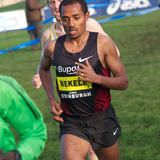
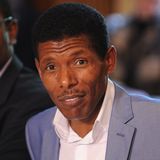
Gebrselassie won two Olympic 10,000 metres titles before running 2:03:59 at the 2008 Berlin Marathon. The swing in distance and required pace makes the two parts of his career worth considering separately.
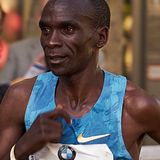
Kipchoge moved from world 5,000 metres champion to Olympic marathon champion at Rio and Tokyo. Compare the acceleration he needed in a track final with the restraint he needed through the early part of a marathon.
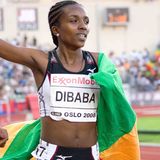
Dibaba won two distances at Beijing and defended the Olympic 10,000 metres title in London. The repetition at the longer distance gives voters a race beyond the Beijing double in which to judge her finish.
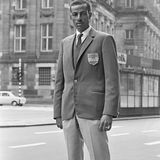
Bikila won Olympic marathons four years apart in Rome and Tokyo. His pacing across two courses and two fields is the principal evidence to put beside the barefoot detail many people recognise.
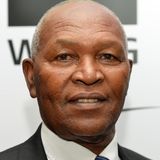
Keino won the Olympic 1,500 metres in Mexico City and the steeplechase in Munich. The differences in distance, barriers and pace make the two golds useful to compare through their own race plans.
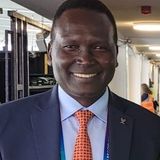
Tergat won five consecutive senior world cross-country long-course titles and took Olympic 10,000 metres silver twice. Give his off-track racing a place beside the Olympic duels for which he is better known.
Kipyegon won the Olympic 1,500 metres in Rio, Tokyo and Paris. Each final gives you a different field and a fresh chance to see when she chose to make her effort.

Tulu won the Olympic 10,000 metres in 1992 and 2000. Those two finals let voters examine a championship runner who could return to the top eight years later.
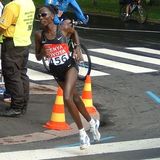
Ndereba won two world marathon titles and took Olympic silver twice at the distance. Assess how reliably she reached the front over several seasons against the different fields those races brought together.
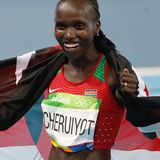
Cheruiyot won Olympic 5,000 metres gold in Rio after taking 10,000 metres silver there. The same Games let you compare how she responded to the rhythm of each track distance.
Rudisha set 1:40.91 in the London Olympic 800 metres final and won again in Rio. Look at how pressure accumulated behind him when he made the London field follow his pace.
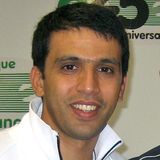
El Guerrouj ran 3:26.00 for 1,500 metres in Rome in 1998 and won both the 1,500 and 5,000 metres in Athens. Compare having a pace to follow in a fast meeting with committing to the finish in a championship.
Ayana’s 29:17.45 to win the Rio 10,000 metres was a world record at the time. The pace change in that final is a concrete example of forcing a strong field to respond.
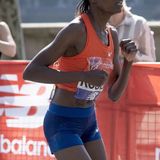
Kosgei set a 2:14:04 world record in Chicago in 2019 and later took Olympic marathon silver. Use the paced Chicago race and the championship result as evidence of different strengths.
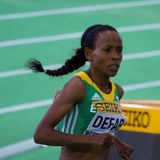
Defar won the 5,000 metres at the Athens Olympics and returned to win in London. Watch how she managed position before using speed in the final part of each race.
Wami’s 1999 world 10,000 metres title and Sydney Olympic silver give the ballot two finals at the same distance. Her 5,000 metres medals also show how her finishing speed translated to the shorter track race.
Gidey ran 29:01.03 for 10,000 metres at Hengelo in 2021 before winning the 2022 world title over that distance. A fast time and a championship final are two separate tests of her control.
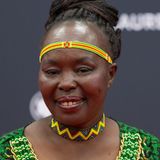
Loroupe won consecutive New York City Marathons in 1994 and 1995 and set marathon world records later in the decade. Look at how those races required different approaches to the same distance.
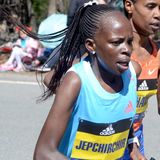
Jepchirchir won the Tokyo Olympic marathon and the New York City Marathon within the same year. The two results let voters judge how she recovered and adapted between major races.
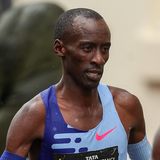
Kiptum ran 2:00:35 to set a marathon world record in Chicago. His rapid second halves in the London and Chicago wins give voters a particular feature of his short marathon career to examine.
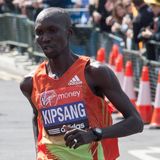
Kipsang took Olympic marathon bronze and broke the world record in Berlin the next year. Those results let voters compare relative position in a championship with his ability to hold pace on a fast road course.
Chebet won both Olympic track distance finals at Paris. Watch how she positioned herself near the finish in each and how that skill carried over from 5,000 to 10,000 metres.
Kemboi won two Olympic and four consecutive world steeplechase titles. His ability to change pace around repeated hurdles and water jumps gives voters a test within the event.
El Bakkali won consecutive Olympic steeplechase titles in Tokyo and Paris. Compare when he stayed with the leaders and when he changed pace across those finals.
Morceli won three outdoor world titles at 1,500 metres before his Olympic gold in Atlanta. That sequence gives voters several championship finals in which to evaluate his positioning and finish.
Keitany ran 2:17:01 in London in 2017 to set a women’s-only marathon world record at the time. Compare that paced distance with performances run in different fields and conditions at the same event.
Obiri won two outdoor world 5,000 metres titles before taking Olympic marathon bronze in Paris. Her record gives voters evidence of success on the track and when the race stretched to the roads.
Masai won the 2009 world 10,000 metres final in Berlin. The late contest provides a place to assess her finish against rivals who had dominated the event through preceding championships.
Ngeny defeated Hicham El Guerrouj to win the Sydney Olympic 1,500 metres. Watch what Ngeny did with the final straight against one of the event’s most accomplished runners.
Kipruto took the world steeplechase title in 2007 and Olympic gold in 2008. The consecutive championship seasons show what he could do against changing fields over the same barriers.
Dibaba ran 3:50.07 at Monaco in 2015 and won the world 1,500 metres later that season. The two races give you a fast clock and a championship field to consider on their own terms.
Jeptoo took marathon silver at London 2012 and won the London and New York City Marathons in 2013. Those routes make her case about adapting her pace to different courses in consecutive seasons.
Mutola won the Olympic 800 metres in Sydney and took three outdoor world titles. Those finals are a way to study how she controlled the middle of a two-lap race before making the finish count.
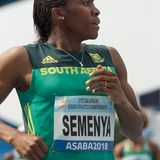
Semenya is credited with Olympic 800 metres titles in London and Rio. Compare her pace and positioning in major finals, using the official placings when you assess those races.
Niyonsaba won Olympic 800 metres silver in Rio and later raced internationally over longer track distances. Her record gives a way to judge how speed over two laps carries into a substantially longer race.
Nakaayi won the 2019 world 800 metres title in Doha. Her route through the rounds and the timing of her run in the final give you more than a time to compare.
Jelimo won the Olympic 800 metres in Beijing. The final from her breakout season lets you assess how she used her speed against an established international field.
Jepkosgei won the world 800 metres title in Osaka and took Olympic silver a year later in Beijing. Watch how she managed the opening lap when the championship field moved around her.
Kipketer, born in Kenya, won three consecutive outdoor world 800 metres titles for Denmark. His time and the way he controlled championship fields give you different ways to judge his speed.
Makhloufi won the Olympic 1,500 metres in London and took silver in both the 800 and 1,500 metres in Rio. The Rio results show how he adapted to two distinct racing patterns in the same Games.
Boulmerka won the 1,500 metres in Barcelona and at world championships either side of those Games. Her record gives you several finals over which to compare how she took control of the finish.
Mulaudzi took Olympic 800 metres silver in Athens and won the world title in Berlin five years later. The Berlin race gives an example of how he handled the decisions which come with being near the front.
Assefa set a ratified marathon world record at the time with 2:11:53 in Berlin in 2023. She then took Olympic silver in Paris, when she had to negotiate a hilly course and a close finish.
Hassan won the Olympic marathon in Paris after earning two track bronzes at the same Games. Born in Ethiopia, she ran for the Netherlands. The week shows how separately the marathon and track medals should be judged for pace and recovery.
Farah won Olympic 5,000 and 10,000 metres titles at both London and Rio. Born in the territory now known as Somaliland, he raced for Great Britain. The finals give you repeated examples of how he kept a finishing effort available.
Cheptegei won Olympic 5,000 metres gold at Tokyo and the 10,000 metres at Paris. His wide range of paces also gives voters world-record outings to set beside the tactical work of winning those finals.
Kiplimo took senior world cross-country titles in 2023, 2024 and 2026. The sequence spans three different courses and lets voters examine his pace and response on different terrain.
Kiprotich won the Olympic marathon in London and the world title in Moscow the following year. Those races let you compare the strongest fields in back-to-back championship seasons.
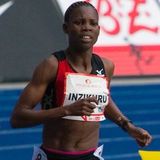
Inzikuru won the first women’s world steeplechase title in 2005. The Helsinki final is an example of making the barrier rhythm work under championship pressure as the event entered the programme.
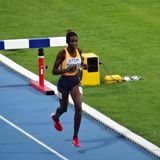
Chemutai won the Olympic steeplechase at Tokyo and took silver in Paris. Those races give you a way to compare the decisions she made when leading and when pursuing another runner across the barriers.
Wanjiru won the 2008 Olympic marathon in Beijing after taking second in London earlier that year. The way he sustained speed in the Olympic conditions gives voters a full race to judge.
Mutai ran 2:03:02 at Boston and won New York in the same year, 2011. Boston’s course made its time ineligible for ratification as a world record, so consider the two winning performances in their own settings.
Wolde won the Olympic marathon in Mexico City after taking 10,000 metres silver at the same Games. His later marathon bronze gives voters an additional result beyond the two events in Mexico.
Tola set an Olympic marathon record of 2:06:26 in Paris. The hills and field made that performance a test of where to use his pace rather than simply how far he could hold a metronomic speed.
Ghebreslassie won the 2015 world marathon title in Beijing while still a teenager. The race gives voters a clear example of a young runner managing his effort through a global championship field.
Tadese combined repeated global titles on the roads with Olympic bronze at 10,000 metres. Put his work over the half-marathon distance beside the battle for medals in the 2004 track final.
Roba won the Olympic marathon in Atlanta and took three successive Boston Marathon wins. The combination gives voters championship and city-marathon results across several seasons.
Meyer took Olympic 10,000 metres silver in Barcelona and won the world half-marathon title in 1994. Her record gives voters a sustained effort on a track and a winning effort over a much longer road race.
Thugwane won a close Olympic marathon in Atlanta in 1996. The final kilometres give you a place to watch how much he had left when the lead group made its decisive move.
Adere won the 2003 world 10,000 metres in Paris, then won the Chicago Marathon later in her career. Those races let voters compare her turn of speed on the track with the pace she could sustain on the road.
Ramaala won the 2004 New York City Marathon and had already medalled at the world half-marathon championships. That range makes the two road distances part of the same case.
Bile won the 1,500 metres world title in Rome in 1987. His finish in that race gives voters a mid-distance champion to judge through a particular championship field.
Niyongabo won gold in the Olympic 5,000 metres in Atlanta after earning a world 1,500 metres medal the previous year. The longer final gives you a way to judge how the speed of a miler can affect the finish at 5,000 metres.
Gammoudi won the Olympic 5,000 metres in Mexico City and earned Olympic medals across both track distance events. His races give voters a cross-distance comparison from an earlier era of championship fields.
Salah won marathon bronze in Seoul and took two world championships silvers. The three podiums offer a way to judge what he repeated when international titles were at stake.
Ismail earned Olympic silver over 800 metres in Beijing. His final gives voters a specific two-lap championship race to compare with the fastest paced races elsewhere on the ballot.
Amos ran 1:41.73 for silver in the London Olympic 800 metres final behind David Rudisha. The Olympics record provides the standing result used here and a direct comparison within the same race.
No entries from this region on this list yet.
About this ranking
Watch how the race opens up
In the London Olympic 800 metres final, David Rudisha made the race fast from the front. Nijel Amos earned silver in the same race and gives you a direct comparison through the final straight. At 1,500 metres, Faith Kipyegon’s three Olympic wins give you several chances to observe the decisions she makes before the finish. Somalia’s Abdi Bile and Algeria’s Hassiba Boulmerka add championship finals from earlier eras, when they were solving similar problems about pace and position.
Compare the surface and the distance
Paul Tergat won five successive senior world cross-country titles. Jacob Kiplimo added a third title in 2026 after winning the previous two editions. Their races require attention to the course as well as the clock. In the steeplechase, Dorcus Inzikuru and Peruth Chemutai give you examples of winning under a different constraint, where every lap includes fixed barriers and a water jump. The changes make finishing speed only one part of a distance runner’s case.
Give the road its context
Abebe Bikila won Olympic marathons on two courses, four years apart. Catherine Ndereba won two world titles and took Olympic silver twice. Kelvin Kiptum’s 2:00:35 in Chicago measures a particular kind of road performance. Ethiopia-born Sifan Hassan’s Paris Olympic victory came after two track medals at the same Games, with the Netherlands. When comparing these results, think about what the runners knew about the pace, which opponents were near them and what the course asked of them.
The ballot includes runners born in Africa and runners who represented an African country internationally. Other national-team affiliations are identified in the notes. For a comparison across sporting disciplines, see the all-sports ballot.
Think someone is missing from this list?
Suggest an entry and we'll review it for inclusion.