
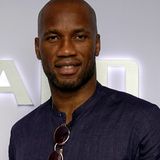
Drogba’s 2004 move from Marseille sets his decade’s club career in motion. Judge his lead work at Chelsea through the later 2000s seasons.

Essien’s move from Lyon to Chelsea gave him two club contexts for the decade. Look at his work recovering and carrying the ball between positions.

Okocha joined Bolton in 2002. The time he spent there gives voters a decade-specific case for retaining the ball and opening passing angles.
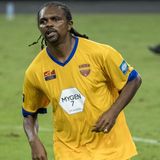
Kanu’s work with Arsenal’s unbeaten 2003–04 squad gives voters a specific club setting within the decade. Judge how he changed attacks in his minutes.
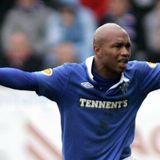
His role in Senegal’s 2002 World Cup run was one peak. Compare the direct threat of his carries before looking at subsequent club spells.
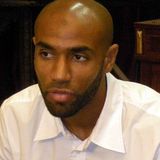
Kanouté’s 2007 African player award places his Sevilla peak inside the decade. Consider the work he could share with another forward.
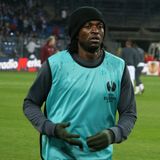
Adebayor’s Arsenal years give a sustained record in this period. Watch how often his movement made space for the pass that preceded a chance.

Ahmed Hassan was CAF’s player of the tournament in 2006. His other Egypt work in the decade gives his midfield contribution room to be judged over time.
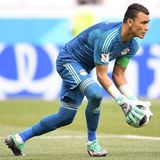
The 2006 and 2008 titles offer two specific campaigns to compare El-Hadary’s decisions under pressure. They are the evidence here rather than his later World Cup record.
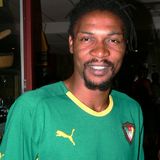
Song’s two African championships with Cameroon in 2000 and 2002 give his defensive leadership a distinct case in the first years of the decade.
No entries from this region on this list yet.
About this ranking
Eto’o’s two Barcelona final goals and El Hadji Diouf’s 2002 World Cup offer different kinds of peak from the same decade. One was made across a repeat club achievement. The other shows how a forward could affect a side that was playing in its first World Cup.
A player’s most familiar moments may sit just outside the period. Keep the comparison to what happened during these ten years. Ahmed Hassan and El-Hadary give two roles within Egypt’s winning teams, and Essien offers a club midfield case that can be judged alongside them.
CAF’s award history helps place performances in time. El Hadji Diouf received consecutive awards in 2001 and 2002, while Frédéric Kanouté’s and Emmanuel Adebayor’s recognised seasons came later in the decade. These are points to revisit in the archive and should prompt a closer look at the actual matches they played and how their teams used them.
Keep the period cut-off visible. Drogba’s Champions League final heroics in 2012 sit outside the vote. A 2000s case can follow his European and domestic work for Marseille and Chelsea before that. Egypt’s 2006 and 2008 AFCON titles give a period-specific route to Ahmed Hassan and El-Hadary, whose records extended into later years.
Think someone is missing from this list?
Suggest an entry and we'll review it for inclusion.