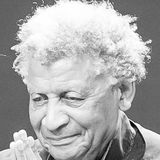
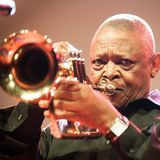
Hugh Masekela’s trumpet and flugelhorn catalogue moves between South African song, small-group jazz and large public statements. Compare his phrasing and tone across recordings rather than treating the best-known hits as the whole case.
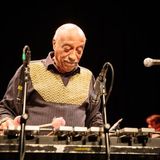
Mulatu Astatke developed Ethio-jazz through Ethiopian modal language, jazz harmony and Afro-Latin rhythm. Use the arrangements as well as the vibraphone and keyboard solos: the form he built matters as much as any single improvisation.
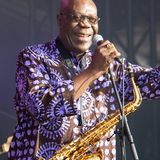
Manu Dibango’s catalogue joins saxophone, vibraphone and keyboards to makossa, jazz, funk and dance music. Soul Makossa is a starting point; compare it with full albums to hear his control of riffs, horn voicing and groove.
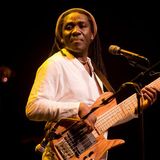
Richard Bona’s solo recordings place a highly articulated electric-bass voice beside singing, composition and multi-instrumental arrangement. Judge the complete musical design, not only the virtuosity of individual bass passages.
Gigi’s self-titled album sets Ethiopian melody and Amharic singing inside arrangements played by an international jazz ensemble. Listen to how the voice holds its identity while the harmony, bass and percussion open new spaces around it.
Mahmoud Ahmed’s Erè Mèla Mèla and related recordings show a singer bending Ethiopian modes through elastic timing, ornament and repetition. Assess the dialogue with the bands behind him rather than separating the voice from the arrangement.
Kippie Moeketsi’s alto saxophone can be heard with the Jazz Epistles and other foundational South African ensembles. The surviving recordings reward close attention to attack, melodic invention and the way he negotiates a fast-moving rhythm section.
Dudu Pukwana carried a fierce alto sound and South African rhythmic vocabulary through the Blue Notes, Brotherhood of Breath, Assagai and his own groups. Compare his compositions and solos across those distinct ensemble settings.
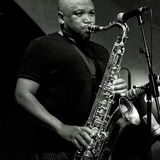
Zim Ngqawana’s San Song, Zimology and later work move between composed themes, open improvisation and South African musical sources. Listen for how saxophone and flute shape the form, not simply how forcefully they project.
Bheki Mseleku’s recordings reveal a multi-instrumentalist and composer whose piano lines can be both rhythmically dense and lyrical. Compare solo statements with the interaction he creates in small groups and guest-rich sessions.
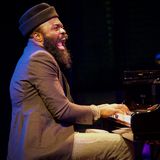
Nduduzo Makhathini’s Blue Note catalogue places piano improvisation, voice, ritual ideas and South African harmonic memory inside carefully shaped albums. Follow how recurring themes change through the ensemble rather than isolating the solos.
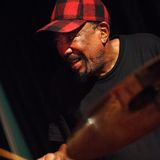
Louis Moholo-Moholo’s drumming with the Blue Notes and Viva La Black combines propulsion with abrupt colour and collective freedom. Use complete performances to hear how he redirects an ensemble instead of measuring speed or volume alone.
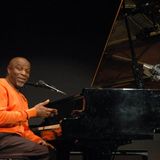
Ray Lema’s piano catalogue crosses Congolese rhythmic knowledge, jazz collaboration, solo work and orchestral writing. Compare projects with different partners to test whether his touch and rhythmic organisation remain identifiable.
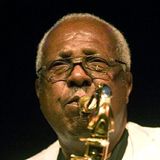
Getatchew Mekurya’s saxophone recordings turn Ethiopian melodic and declamatory practice into a commanding instrumental language. Compare the classic solo-led sides with his later work alongside The Ex, where improvisation meets a very different rhythm section.
Mongezi Feza’s trumpet appears across the Blue Notes, Brotherhood of Breath and other adventurous ensembles. Hear how his bright, concise lines cut through large textures and how his phrasing changes when the music becomes more open.
Bakithi Kumalo’s fretless bass work is widely known through Graceland, but his broader catalogue and own recordings are needed for this vote. Listen for articulation, melodic counterpoint and the way a bass line reorganises the groove.
Kofi Ghanaba, formerly Guy Warren, treated Ghanaian percussion as a compositional centre rather than an added colour. Judge the rhythmic architecture of his recordings and the conversation he creates between drums and jazz ensemble.
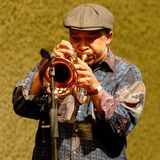
Claude Deppa’s trumpet and flugelhorn work spans Brotherhood of Breath, improvised groups, large ensembles and his own bands. Compare his control of tone and rhythmic placement across written passages and freer collective sections.
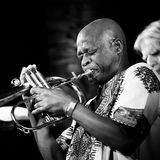
Feya Faku’s trumpet and flugelhorn recordings favour a warm, songful line without sacrificing rhythmic precision. Compare his own compositions and small-group work to hear how restraint, space and ensemble trust carry the performance.
Sipho Gumede’s bass playing and writing with Sakhile and in his own catalogue bring township melody, jazz-fusion and a grounded rhythmic voice together. Follow the bass as both foundation and melodic participant across complete tracks.
Armand Sabal-Lecco’s work as bassist, composer and arranger crosses African groove, jazz harmony and high-level ensemble collaboration. Give his own projects weight alongside session credits, and listen for the musical choices behind the technique.
Sathima Bea Benjamin’s recordings make understatement, breath and close attention to lyric central virtues. Compare African Songbird with the rediscovered Paris session to hear how her phrasing responds to different pianists and ensembles.
Chris McGregor’s piano, composition and direction connect the Blue Notes with the larger Brotherhood of Breath sound. Compare the small-group recordings and big-band writing to hear how South African themes survive inside collective improvisation.
Johnny Dyani’s bass playing with the Blue Notes and in his own groups combines a singing tone, rhythmic mobility and a strong compositional identity. Hear how he can anchor a theme, disrupt it and still keep the ensemble connected.
Lionel Loueke’s Blue Note recordings combine guitar, voice, Beninese rhythmic ideas and responsive trio playing. Compare acoustic texture with the electric attack of Gaïa, and judge how his phrasing changes the ensemble’s sense of time.
Dhafer Youssef uses oud, a wide vocal range and Arabic modal language inside contemporary jazz ensembles. Listen for the balance between sustained vocal colour, plucked rhythm and improvising partners across more than one project.
Somi’s albums join modern jazz singing with East African memory, narrative writing and carefully chosen ensembles. Compare the place-based writing of Petite Afrique and The Lagos Music Salon with the big-band setting of Holy Room.
No entries from this region on this list yet.
About this ranking
African jazz has never been one fixed style. It includes musicians who remade jazz through local rhythm and melody, artists who carried African musical languages into international ensembles, and players whose work developed under exile, migration or close exchange with other traditions. A fair vote therefore starts with recordings, not a checklist of awards or famous collaborators. Follow the sound: the quality of an improvised line, the strength of a composition, the organisation of rhythm and the ability to make an ensemble listen differently.
South African jazz supplies a deep part of this field, but it is internally varied. Kippie Moeketsi and the Jazz Epistles belong to a different recorded moment from the exiled Blue Notes circle of Chris McGregor, Dudu Pukwana, Mongezi Feza, Johnny Dyani and Louis Moholo-Moholo. Abdullah Ibrahim, Hugh Masekela, Sathima Bea Benjamin, Bheki Mseleku, Sipho Gumede, Feya Faku, Zim Ngqawana and Nduduzo Makhathini each offer another balance of song, improvisation, spirituality, township language and international jazz practice. Compare the records rather than treating nationality as a single school.
Ethiopian music opens a different set of questions. Mulatu Astatke’s arranged synthesis, Getatchew Mekurya’s forceful saxophone language, Mahmoud Ahmed’s flexible vocal phrasing and Gigi’s contemporary ensemble settings do not make the same argument. Across Central and West Africa, Manu Dibango, Richard Bona, Ray Lema, Armand Sabal-Lecco, Lionel Loueke and Kofi Ghanaba show how saxophone, bass, piano, guitar and percussion can carry locally grounded rhythmic thought into jazz without becoming decorative additions.
Dhafer Youssef brings North African and Arabic modal practice into the conversation through oud and voice, while Somi makes composition, language and place central to modern vocal jazz. Instrumentalists and singers should not be judged by identical technical tests: ask instead whether the musician has a distinctive voice, a substantial body of work and the power to deepen the ensemble around them. Use several complete performances, distinguish leadership from a guest appearance, and vote for the recorded achievement you find most compelling.
Think someone is missing from this list?
Suggest an entry and we'll review it for inclusion.