

Celia gives listeners several kinds of Tiwa Savage performance in one album. In Dangerous Love, the contained lead makes the places where she opens up her voice easier to hear.

The songs on 19 & Dangerous give voters an early album through which to compare Starr’s short turns of phrase and the authority she brings to a chorus.

Tyla places a light vocal over a syncopated beat on Water. Listen to which syllables she delays and which ones she puts right on the pulse.

Johnny gives a clear example of Alade working a character and a repeated hook inside the same song. Compare that delivery with the different languages and styles in her catalogue.
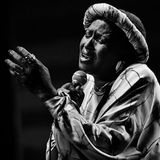
Makeba’s Pata Pata rewards close attention to her rhythmic delivery and the responses around it. Give her interpretations of songs and her choice of repertoire weight alongside the performances audiences know by name.
Compare the direct pop vocal on Weekend Special with the way Fassie carries a chorus in Vulindlela. The two songs show how her voice remained identifiable while the production around it changed.

On Celia, Kidjo reinterprets repertoire associated with Celia Cruz. The arrangements let you hear the choices she makes in carrying an existing song into a different musical setting.

Simi’s Joromi uses a light delivery and a repeated address to carry the song. Listen to the details she can put into small changes in emphasis.
Aṣa makes the first-person voice carry much of the weight in Jailer. The recording gives you a way to assess what she does with a direct lyric and an arrangement that leaves her audible at every turn.

In Enta Omri, Umm Kulthum gives a phrase time to develop beyond its first statement. Listen for what changes with repetition and how those changes invite the audience into the performance.

The quiet timing of Évora’s phrasing is audible in Sodade. Compare the way her notes continue against a steady accompaniment with the shape of her delivery on other morna recordings.
In Sukari, Zuchu uses a repeated line to keep the song intimate as the arrangement grows. Compare that control of vocal weight with her work at faster tempos.
Maradona puts Niniola’s short vocal phrases in conversation with the house beat. Notice whether you follow the repeated words, the percussion or the tension between them.

Teni’s Case shows how the singer can make spoken emphasis feel at home inside an extended melody. Consider the exact changes in delivery that make listeners remember the character in the song.

On Forever, Gyakie leaves space between the phrases instead of filling every beat. The performance gives voters a way to judge how a quiet vocal can remain central to an arrangement.

Fountain Baby lets listeners compare the different ways Amaarae uses a light register. Her microphone delivery, choice of vocal layers and production work all shape the songs.

Nandy’s official catalogue gives voters songs in which to compare gentle Swahili phrasing and a more forceful chorus. Take the time to hear how much the verse has already told you before the melody repeats.

Aster Aweke’s recordings grew from her work with Addis Ababa bands into a broader repertoire. Listen to how she stretches the ends of lines without losing their relationship to the rhythm.

On Moussolou, Sangaré brings a clear lead to a recording built from Wassoulou musical practice. Listen for how she alternates the repeated line with extended vocal turns.

Warda’s Batwanes Beek gives listeners a place to follow how she changes the emotional weight of a line by returning to it. Consider the length of the performance when comparing it with a short pop single.

Massi's Raoui offers a way to assess her as a songwriter as well as a singer. Follow the way the voice sits against the acoustic accompaniment when the song gives the words time to carry.

Umqombothi lets you hear how Chaka Chaka keeps a vocal hook clear as the accompaniment builds. The connection between the lead and its responses is central to the song’s momentum.

Zabalaza gives listeners a full project in which to examine Mazwai’s choices about phrasing and song form. Hear how the tone of her voice changes when an arrangement draws closer to a traditional rhythm.

Loliwe gives Zahara room for the voice and guitar to answer one another. Assess how the plain approach to the early verses makes later changes in the delivery register.

Lady Jaydee’s work around Machozi gives listeners older bongo flava performances to compare with later pop recordings. Attend to how clearly her melody sits against the rhythm when the arrangement changes.

Sho Madjozi’s John Cena shows how she uses fast rhythmic speech and an instantly identifiable refrain. Ask what the different sounds and accents of her words do to the beat.

Makhadzi’s Kokovha brings short vocal calls into arrangements that make room for a dancing crowd. Her case includes the way she uses a recurring phrase to lead the energy of the record.
Compare Zikode’s sustained lead on Jerusalema with the space her voice occupies in Bayethe with Wouter Kellerman and Zakes Bantwini. The two settings give listeners different ways to hear her control of tone.

Uncle Waffles offers a DJ and recording-artist case. Use Tanzania and the credited mixes to compare what she helps build in a single track with how she controls energy over a set.
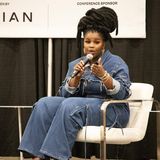
Uthingo Le Nkosazana gives voters a body of recordings in which to hear how Nkosazana Daughter holds long vocal lines against several different amapiano rhythms.
Dream lets listeners assess Mathosa’s solo phrasing and attack. Her Boom Shaka period gives a related case for how she contributed within a group arrangement.

Listen to where one Mahotella Queens voice breaks from the others and where the group closes ranks again. Their singing with Mahlathini also makes it possible to hear how differently a vocal ensemble and a lead can shape the same rhythm.

On Nkarabe, Malope builds her lead through phrases that remain clear as she increases the force of her voice. The gospel catalogue offers more than one recording in which to judge that controlled rise.

Nakei Nairobi gives listeners a point of entry into how Mbilia Bel carries her voice over a long Congolese rumba arrangement. Hear when she leaves open space for the players around her.

Coumba Gawlo’s version of Pata Pata gives voters a specific way to compare her vocal presence and choice of arrangement with an already established song.

Ah Ya Leil gives listeners a lead that moves between tightly placed phrases and a more open chorus. Try following the change in force without losing the rhythm beneath it.

Compare the voice and production on Manga with the earlier Navega. The change between records gives you a way to hear what Andrade retains in her phrasing while the instruments and rhythm shift.

Balancê gives Tavares room to bring guitar, rhythm and voice together with very little excess. Listen to how distinctly the sung line can land even when it seems to sit behind the beat.
Gigi’s self-titled album brings Ethiopian vocal phrasing into expansive arrangements. Follow the line her voice takes when the instruments and production move somewhere less expected.
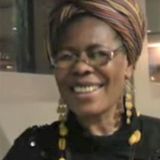
On Ambuya, Chiweshe’s mbira pattern keeps moving while her vocal finds another route across it. Hear her instrumental work as a performance in its own right.

On Rebel Woman, Chiwoniso’s mbira and voice work as equal sources of movement. Listen to how the arrangement grows around a pattern she has already made familiar.
Kisumu 100 gives listeners a place to hear the relationship between Owiyo’s voice and the story of a particular community. Her ability to sustain that story is part of the musical performance.

Rimitti’s N’ta Goudami catches a singer with long experience of raï making new decisions against a modern arrangement. Listen to the strength and flexibility that keep her lead distinct over the percussion.
Onwenu’s One Love repeats its title in a way that lets the message move from a solo statement to a shared refrain. The performance is worth judging through that change in address.

Daa Ke Daa gives you a way to hear Becca’s voice in a song built from the memory of a repeated line. Listen to how clearly the verses shape the emotional weight of the refrain.

On Janesis, Efya brings a soul singer’s changes of tone and dynamics to songs with different rhythmic demands. Choose two tracks and listen for what stays characteristic between them.
Vision is a place to hear Qing Madi’s measured approach to lead vocals. Her record holds space around the voice even when the hook arrives, making the choice of emphasis more audible.

Nkwatako puts Sheebah’s rhythmic phrasing and strength as a lead vocalist in the same recording. Consider how she gives a chorus momentum before the instruments change.

Nabikoowa gives Kanyomozi a melody she lets gather force across the line. Listen to how clearly she can carry a sentiment before making the repeated phrase bigger.

Musawo offers a starting point for judging Nwagi’s vocal rhythm and presence. Look through the official performances for where she can leave a beat open and still carry the phrase.

Anti Kale gives voters a specific Spice Diana track to judge through its changes in phrasing and the emphasis that returns each time the hook arrives.

Azawi’s African Music era shows what she can do as a lead vocalist who also writes songs. Compare how a verse introduces a melody with what changes when it becomes the hook.

Cash Madame gives voters a performance in which Mdee keeps her lead agile around the beat. Put it beside the other tracks on Money Mondays to compare how her delivery changes with the song.

On People, Libianca leaves room between lines so that the texture of the voice stays clear. Her own performance of the song gives listeners a way to judge small changes in timing.

In Djadja, Nakamura keeps the sound of the words tied to the rhythm while varying the emphasis from line to line. Her more expansive catalogue gives that familiar recording context.

Yumiantabah offers a concrete track in which to hear Gunu’s emphatic singing and the exchange between her voice and the drums. Her work draws attention to northern Ghanaian performance traditions.
Bi Kidude’s Zanzibar taarab performances put the strength and grain of her voice in front of an ensemble. Listen for when she lengthens a line or moves it away from regular meter.
Maria Salome gives listeners a recording in which to hear Karoli’s clear lead over dance percussion. Hear how much of the chorus’s energy she establishes with the first few words.

Way Maker gives voters an identifiable piece of songwriting that can carry repeated singing across several arrangements. Compare Sinach’s original delivery with the way later performers have interpreted it.

Excess Love gives Chinwo room to build a gospel vocal in stages. The force of the sustained notes becomes more striking against the time she leaves between the early phrases.
Tchamantché puts Traoré’s voice among arrangements that leave room for guitar texture and a spare rhythm. Listen to how she changes a melody’s force without increasing the volume of the whole performance.
Fenfo gives listeners a record in which Diawara’s guitar and vocal are audible as independent lines. Compare how she carries a song’s words with what she does in the instrumental spaces.
On Fasiya, listen to Jobarteh’s kora as a lead voice and to the sung phrases she places above it. Her work asks voters to consider instrumental technique and arrangement alongside melody.
Doumbia’s early recordings give voters a chance to hear how a vocal line can hold its place through dense rhythmic repetition. Use the La Grande Cantatrice recordings to examine how she varies the lead across several songs.
On Timbuktu Tarab, Arby keeps her voice clearly defined against a band with a strong rhythmic presence. Listen to what her upper register adds when a song gathers force around it.
Gnahoré’s Na Afriki gives a place to judge how she shapes lead singing around ensemble percussion. Compare a recorded verse with her stage delivery to hear how much the physical performance contributes.
Gallo gives voters a bass-led musical career. In her solo repertoire, follow how the bass sets the pace and then changes the listener’s sense of where the main beat falls.
Tshala Muana used mutuashi rhythm as a place for the voice and dance to work together. Start with a recorded performance and listen for what she does to keep both the vocal line and the rhythmic cue clear.
On Ndaya, M’Pongo Love keeps the lead voice audible while the band extends the pulse of the rumba. The performance gives voters time to hear how she can shape successive lines in the same rhythm.
Teti gives listeners a recording through which to judge Kanam’s command of a long vocal line. Set it beside another rumba performance to hear how she changes the lead as an arrangement opens up.
On Massa, Dipanda keeps a soft vocal distinct against warm guitar and percussion. Compare what the recording leaves open for her voice with the more forceful parts of the chorus.
Fotso’s recorded performances give voters a case grounded in voice, guitar and songwriting. Listen to how she moves between a direct address and the parts held by a repeated pattern.
Vieira’s recordings give listeners another approach to Cabo Verdean song beyond the best-known morna performances. Hear how quietly she can carry a long vocal line while the players keep the rhythm moving.
Benjamin’s A Morning in Paris sessions give listeners a jazz vocal to judge through what she does to a standard. Notice the slight rhythmic changes she makes when she reaches the line again.
In the Music the Village Never Ends lets listeners hear how Mbulu’s vocal sits against arrangements that draw on several styles. Follow how she shapes a phrase while the parts around it move at a different pace.
On Ancient Evening, Khumalo gives listeners sustained notes, controlled entrances and varied colour in the same set of songs. Compare that work with her live repertoire when judging her range.
A Cry, a Smile, a Dance gives Sephuma a series of arrangements in which to develop the lead. Listen to how she lets a quieter phrase stay in proportion before moving to a sustained note.
Dana’s Zandisile period offers a place to hear how she shapes the timing of a lyric against the melody. Assess how she uses space before the next chord or the return of a refrain.
Compare Mahola’s work as the lead voice of Freshlyground with solo performances as The One Who Sings. The two settings let voters hear what she chooses when a song has a band around it and when her own phrasing sets more of the direction.
Boom Party gives listeners a concise dancehall performance in which Sanyu varies the speed and attack of her phrases. Her role in Blu*3 gives a comparison with the responsibilities of a voice in a vocal group.
Sembera gives listeners a clear place to hear how Ntale holds a melody without pressing every note. The pauses and softer phrases are part of how she lets the song hold attention.
On She, Muthoni Drummer Queen alternates rap delivery and rhythmic hooks across tracks with different textures. The album gives listeners room to compare her performance choices and her part in constructing each track.
Abura’s album work gives voters a case based on voice and phrasing across Kenyan Afro-fusion. Listen to the way she lets the chorus open up after a comparatively restrained verse.
Dunia Mbaya gives a way to judge Princess Jully’s lead against a repeating band arrangement. Follow the words that remain intelligible as she increases the force of her delivery.
Khadja Nin’s Sambolera recordings bring a strong, easily followed vocal over a rhythm that keeps changing around it. Compare the sound of individual lines with the shape the chorus takes across the recording.
On Insular, Frazão’s guitar leaves space for vocals to move with the lyric. Listen to the difference between the way she sets the rhythm with her playing and where she allows the singing to move beyond it.
Sem Medo gives listeners a body of recordings in which to hear Semedo change the amount of force behind a melody. Compare the quieter lines with the sections in which the arrangement lets the voice stretch.
On Tzenni, Seymali’s vocal and ardine have to remain distinct inside an amplified ensemble. Listen to the way the sustained notes and quickly moving instruments take turns leading the sound.
Nour gives listeners a way to hear Malouma set a Mauritanian vocal line against varied arrangements. Give the sound and pacing of the live tradition their share when judging her individual performances.
Brahim’s Soutak gives time and space to her vocal and percussion practice. The weight of a line comes from where she places it as much as from the notes she chooses.
Handmade gives Zahra many different ways to place a spare vocal against guitar and percussion. Follow the way she keeps the words intelligible when the tempo and arrangement change.
Oum’s Daba gives listeners a recording project in which to follow changes of vocal texture and accent within a sparse ensemble. Give the underlying melody and the delivery separate attention.
Latifa’s album work gives voters several eras of Arabic pop in which to judge her use of an extended phrase. Compare how she shapes a line over the recording without losing the pulse beneath it.
Mursal’s The Journey gives listeners a set of recordings built around her Somali vocal practice. Listen to how she keeps the melody intelligible when the arrangement changes around it.
The Exorcism of a Spinster gives Masike room to build songs out of mbira patterns and voice. The recording lets voters hear where she doubles a rhythmic figure and where she sings across it.
As Above, So Below offers a way to hear how Sampa the Great combines changes of flow with Zambian musical references. The filmed Lusaka performance lets you judge the voice and ensemble in the same room.
Shishani’s work with the Namibian Tales combines the work of a bandleader and a singer. Compare what she does to hold the vocal line with the way the ensemble makes room for each contributor.
Chidid’s mbalax repertoire gives listeners a case built on rhythmic control and a clear lead in a busy ensemble. Yaye Boye is a place to start hearing where she puts the stress of the words.
On Gainde, Sène’s voice makes the rhythm of the language part of the musical form. Compare the way she holds a phrase with the pacing of the surrounding ensemble.
No entries from this region on this list yet.
About this ranking
Follow the musical decision
Umm Kulthum returns to a phrase long enough for the emphasis to change. Cesária Évora lets a line sit against the accompaniment before she finishes it. Tems can use the space before a returning phrase to make a short recording feel intimate. Listen for the moment a performer decides what a line needs. A mellower sound, an extra beat or a change in where a phrase begins can create a case for a favourite across the differences between genres.
Hear the instrumental work
On Ambuya, Zimbabwe’s Stella Chiweshe can keep a pattern moving with the mbira while her voice goes elsewhere. Sona Jobarteh puts lead kora and singing into the same performance. Ivorian bassist Manou Gallo gives you another instrument to follow through the choices a bandleader makes. Look at what the instrument allows the other performers to do. The record becomes easier to judge when you can identify where the rhythm, harmony or melody came from.
Use more than one recording
Miriam Makeba and Brenda Fassie used phrasing differently in recordings built around well-known choruses. Angélique Kidjo’s Celia provides an album-length example of a singer taking existing repertoire into a new set of arrangements. On Rebel Woman, Chiwoniso Maraire brings voice and mbira together across songs with different intensities. Warda’s long performances and Tyla’s tightly arranged Water ask for different amounts of time, with equally audible choices about when a melody should open up.
A single recording can give you a favourite. A second can show how much of what you heard belongs to the artist across settings. Vote on the musical work of African and African-diaspora women, including soloists and women’s ensembles, and give the performer, writer and arrangers the roles their credits support. The main musicians ballot also compares careers across genders.
Read the argument
Think someone is missing from this list?
Suggest an entry and we'll review it for inclusion.