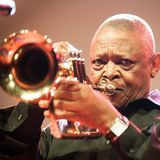
Hugh Masekela’s trumpet and flugelhorn catalogue moves between South African song, small-group jazz and large public statements. Compare his phrasing and tone across recordings rather than treating the best-known hits as the whole case.
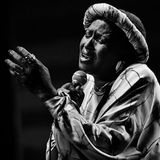
Compare the direct pop vocal on Weekend Special with the way Fassie carries a chorus in Vulindlela. The two songs show how her voice remained identifiable while the production around it changed.
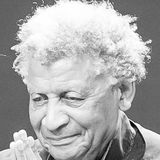
Abdullah Ibrahim’s Mannenberg and the long catalogue around it make space, repetition and melodic economy central to the vote. Compare his solo piano with trio and larger-ensemble work, and listen for how Cape musical memory enters the improvisation.
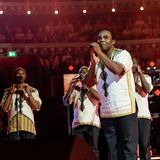
Ladysmith Black Mambazo’s Shaka Zulu won a Grammy after the group’s work on Graceland. Judge the precision, blend and soft-stepping isicathamiya phrasing of the ensemble itself, not only the famous collaboration.
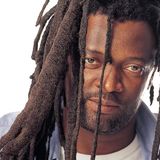
Prisoner offers a place to compare Lucky Dube’s storytelling voice with the bass and answers that keep it moving. His official catalogue gives the reggae work context across albums.
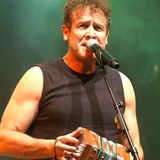
Scatterlings offers a way to hear Clegg’s work with Juluka. Follow the movement between the lead and the group’s responses across a complete performance.

Umqombothi lets you hear how Chaka Chaka keeps a vocal hook clear as the accompaniment builds. The connection between the lead and its responses is central to the song’s momentum.
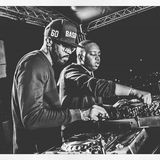
On Subconsciously, the singers change and Black Coffee keeps a dance pulse with small shifts in texture. Assess how well the album carries that pacing across its full length.
I Am the King of Amapiano and Scorpion Kings show how Kabza builds space with keys and low percussion. Compare how his pacing develops when he shares a production.
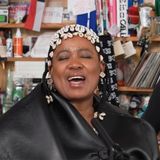
Zabalaza gives listeners a full project in which to examine Mazwai’s choices about phrasing and song form. Hear how the tone of her voice changes when an arrangement draws closer to a traditional rhythm.
Mafikizolo’s catalogue runs from Lotto and Ndihamba Nawe to later Afro-pop releases. Judge the balance between Theo Kgosinkwe’s songwriting and Nhlanhla Mafu’s lead performance as the group’s sound changes.

Tyla places a light vocal over a syncopated beat on Water. Listen to which syllables she delays and which ones she puts right on the pulse.
On Nkalakatha, Mandoza makes a short vocal idea carry against a strongly articulated low end. Judge the whole album for how often that balance holds in different arrangements.
Mdlwembe gives listeners an extended account of how Zola works a story into a beat, using some lines to carry the music and others to call attention to the words.
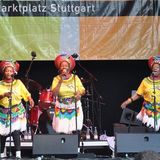
Listen to where one Mahotella Queens voice breaks from the others and where the group closes ranks again. Their singing with Mahlathini also makes it possible to hear how differently a vocal ensemble and a lead can shape the same rhythm.

On Nkarabe, Malope builds her lead through phrases that remain clear as she increases the force of her voice. The gospel catalogue offers more than one recording in which to judge that controlled rise.
Kippie Moeketsi’s alto saxophone can be heard with the Jazz Epistles and other foundational South African ensembles. The surviving recordings reward close attention to attack, melodic invention and the way he negotiates a fast-moving rhythm section.
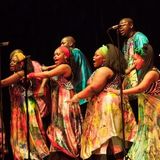
Soweto Gospel Choir has three Grammy wins, including awards for Blessed and Freedom. Its case rests on the collective blend, arrangement and movement between South African gospel, freedom songs and concert performance.
Strings and Bling gives Nasty C an album on which to judge changes in flow and attack. Compare how he carries a quieter line with the force of the more crowded passages.
Oyi Oyi puts the sound of a short vocal line beside the pulse Arthur shaped to carry it. Follow the way motion comes from spacing as much as from the density of the beat.
Tsholofelo gives Cassper Nyovest several ways to build a track around a rap lead. Listen to the difference between the pace of the verses and the phrasing of the hooks.

On Family Values, Riky’s direct speaking register makes a useful comparison with the weight of his lead when the arrangements turn towards a collective hook.

Ngud’ gives Kwesta a spacious beat on which to place a low, deliberate verse. On DaKAR II, listen to how much emphasis he can add without raising his voice.
Isina Muva gives Sjava a set of tracks in which to hear his voice change between singing and rap, sometimes with only a small change of pace.
Osama gives listeners a place to hear Zakes Bantwini working with repetition and a gradually changing dance arrangement alongside Kasango. Bayethe with Wouter Kellerman and Nomcebo Zikode shows another part of his credited work.
Africa to the World includes Akanamali and gives listeners a full album for judging how Sun-El Musician moves between voices, bass, percussion and harmonic texture. Consider the effect of the arrangement before the chorus arrives.
Benjamin Dube’s In His Presence series links singing, instrumental work and the direction of a live worship ensemble. His catalogue gives voters a sustained body of South African contemporary gospel to compare.
No entries from this region on this list yet.
About this ranking
The same country can give you several very different ways to hear a group. Ladysmith Black Mambazo can organise a pulse through voices alone. On a Hugh Masekela recording you can hear a horn playing an independent part even when another instrument already carries the tune.
Brenda Fassie’s lead and the response around her sound different from the way Mandoza’s voice comes in over Nkalakatha. Both records can bring listeners back to a familiar section without needing a dramatic change of key or tempo. It helps to notice exactly what moves when the hook returns.
Newer dance production gives the songwriter and recording artist different priorities. Listen for who establishes the pace in a Black Coffee production or a Kabza De Small record. A voter comparing a DJ and a singer has a shared question to work with: how does the artist make several elements feel part of the same recording?
Think someone is missing from this list?
Suggest an entry and we'll review it for inclusion.