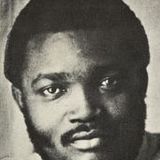
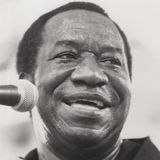
His rumba catalogue offers a chance to hear a lyrical lead whose sense of time remains clear as the ensemble fills in around it.
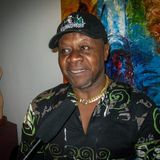
Emotion gives Wemba room to carry the shape of a rumba line into an arrangement with a wider studio palette.
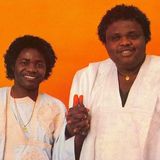
Pépé Kallé’s recorded catalogue provides a case for vocal weight and the ability to hold the centre as a soukous band accelerates around the lead.
Kwassa Kwassa gives the voice short sections and the guitars time to stretch. Hear how the band makes the change feel continuous.
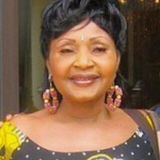
The vocal suspensions in Nakei Nairobi give the guitar parts time to answer. It is a way to hear her control without listening only for the high notes.
Galo Negro is a shared credit with Papa Noël. Listen to how a quiet voice can carry above guitar figures that are already moving in their own direction.

Kibuisa Mpimpa shows where the band starts to change gear before the words change pace. It gives a clear recorded case for the move from melody to dance.
Feux de l’amour lengthens the lead melody without making the backing stand still. Compare the pace at which the two parts develop.
Sans commentaire gives an extended recording in which the alternation between lead and ensemble can do as much work as the tune itself.
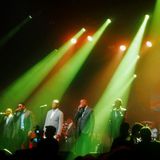
Zaïko Langa Langa’s long discography documents a band identity that survived major line-up changes. Compare the guitar-led arrangements and rhythmic drive across periods rather than assigning every innovation to one member.
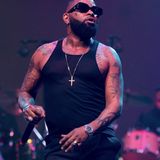
On Dynastie, long vocal lines give the band a repeated chance to hold the pulse while the singer delays the end of a phrase.

Formule 7 gives a modern rumba case over a full release. Listen for where Fally Ipupa uses the lead to slow the listener’s sense of a beat already in motion.

On Loi, follow the contrast between the low lead and the calling voices above it. Their different sounds keep the track’s repetition lively.
Coupé Bibamba puts short vocal calls above an insistent dance figure. Compare the movement supplied by the band with the movement Awilo draws out of the voice.
On Laissez-passer, Diblo gives the lead guitar movement that continues even when the rhythm has settled. Listen for where a repeated figure opens into a run.
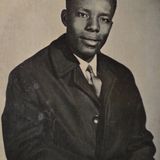
Exhibition Dechaud makes Nico’s place in Orchestre African Fiesta audible from one guitar figure to the next. The parts are worth hearing away from the vocal.
Immortal Franco with Ensemble Rumba Kongo shows Mbenza shaping a full album around another artist’s repertoire. Hear where his touch changes the balance of the band.
The Soukous Stars Mégamix offers an extended setting for the guitar part that makes the different sections move together.
On Pamba-Pamba, Rigo Star is credited with Mbilia Bel and Vivick Matoua. Hear how many vocal lines the steady guitar can make room for.
Tobina with Soukous Stars gives Kimoko the space to take the lead guitar briefly away from the collective sound before repeating the main figure.
On Carrière d’honneur – Retirada, Wata carries sung lines of unequal lengths through sections with a steady dance pulse.
Songs for the Poor Man documents Tanzanian work by the Congolese-born singer. Give the guitar and Kiswahili vocal phrasing equal attention when judging the regional crossover.
Doublé doublé with Les Kamalé Dynamiques gives an extended vantage point on Nyboma’s voice and its lightness against the increasingly insistent band.
No entries from this region on this list yet.
About this ranking
The best way to hear some Congolese rumba is to wait for the point at which the guitars start making a case of their own. On Mario, a narrative gives Franco and TPOK Jazz an argument that can be developed over time. On Nakei Nairobi, Mbilia Bel’s phrasing gives the band space to make that move without drowning the voice.
Soukous can let the listener reach the dance section with a very different sense of urgency. Diblo Dibala’s Laissez-passer makes it possible to follow a fast-moving lead over a backing that is still tightly organised. Lokassa Ya Mbongo’s records make the importance of the rhythm guitar just as clear.
The styles have crossed borders and have changed in the hands of later bands. Remmy Ongala gives an example of what happened in Tanzania when a Congolese-born musician worked in a Kiswahili setting. With Zaïko Langa Langa or Werrason, consider the ensemble’s timing as well as the singer who happens to be in front.
Think someone is missing from this list?
Suggest an entry and we'll review it for inclusion.