Twin brothers Peter and Paul Okoye helped make Nigerian pop a continent-wide commercial force in the 2000s. Busy Body, Do Me, No One Like You and Personally combined memorable melodies, choreography and slick production. Their success across African radio, television and concert stages preceded the present global Afrobeats boom and established a model for subsequent Nigerian pop acts.

Zaïko Langa Langa brought youthful energy to Kinshasa's music scene from the end of the 1960s. Its emphatic drumming, guitar-led dance sections and shifting vocal lineups helped redefine Congolese popular music. Papa Wemba, Nyoka Longo and other musicians associated with the orchestra shaped later generations, while Zaïko itself maintained a recognisable identity beyond its many departures.
The original Wenge Musica collective became a major force among young Congolese listeners around the turn of the 1990s. Bouger!!, Kala-Yi-Boeing and Les Anges Adorables documented an energetic new generation of singers, guitarists and dancers. Its later split generated several important orchestras, but the original group's shared catalogue remains a distinct achievement.
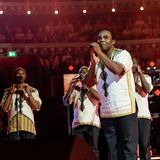
Founded by Joseph Shabalala, Ladysmith Black Mambazo brought the Zulu migrant workers' isicathamiya tradition to national and international audiences. Their soft-stepping choreography, intricate male harmonies and songs such as Homeless became widely recognised. Their success with Paul Simon and Grammy-winning recordings extended an already established South African musical identity rather than creating it.
Joseph Kabasele's African Jazz helped establish the sound of modern Congolese rumba through its singers, horns and inventive guitarists, including Dr Nico. Indépendance Cha Cha, recorded around the Congo independence negotiations of 1960, became an anthem for a generation of newly independent African nations. The orchestra was also a formative setting for future rumba stars.
Africa 70 was the orchestra through which Fela Kuti and drummer Tony Allen developed classic Afrobeat into a powerful live and recorded form. Albums such as Zombie and Expensive Shit relied on the collective precision of horns, bass, guitars, percussion and call-and-response vocals. The ensemble's groove influenced generations of African musicians and bands.

Bien-Aimé Baraza, Savara Mudigi, Willis Chimano and Polycarp Otieno developed a recognisable blend of harmony, acoustic guitar and live musicianship and contemporary pop. Songs such as Sura Yako, Kuliko Jana and Suzanna reached listeners throughout East Africa. Their albums Mwanzo and Live and Die in Afrika demonstrate how Kenyan music could succeed regionally while retaining its own languages and cultural identity.
Founded in London by African and Caribbean musicians including Ghanaian Teddy Osei and Sol Amarfio, Osibisa combined highlife, percussion, horns and rock. Sunshine Day and Woyaya became enduring favourites. Its international touring, including appearances in Africa, demonstrated the possibilities of African-led fusion while maintaining a clear connection to Ghanaian musical traditions. Origins and affiliation: Ghana / Caribbean (UK-formed).

Magic System emerged from Abidjan's zouglou scene and turned the humorous story of 1er Gaou into a cross-border phenomenon. A'salfo and his fellow singers carried Ivorian social commentary and communal vocal rhythms into popular dance music. Their success throughout Francophone Africa and beyond helped give zouglou an audience far outside its original neighbourhoods.
Mafikizolo became a defining South African pop group with songs such as Ndihamba Nawe, Emlanjeni and Khona. Its evolution from a trio to the duo of Theo Kgosinkwe and Nhlanhla Mafu connected kwaito-era township pop with contemporary African dance music. The group's melodic songwriting and visual style helped it sustain relevance across generations.
Nass El Ghiwane transformed Moroccan popular music in the 1970s through vernacular poetry, communal singing and instruments drawn from local traditions. Songs such as Essiniya spoke to everyday frustrations and shared aspirations. Their work inspired a generation of Moroccan ensembles and made locally rooted folk music a vehicle for modern cultural expression.
Originally formed in Beyla, Bembeya Jazz became a flagship of Guinea's post-independence musical scene. Guitarist Sékou Diabaté and the orchestra developed a compelling combination of Mandé melodies, dance rhythms and narrative song. Regard sur le passé shows how the band used popular music to communicate African historical memory as well as entertain audiences.
Orchestra Baobab emerged from Dakar's club scene, combining Cuban-inspired rhythms with Wolof and other Senegalese musical traditions. The guitar of Barthélémy Attisso, saxophones and distinctive singers gave the group a sound heard on classics such as Utrus Horas and the recordings collected on Pirate's Choice. Its later revival introduced its earlier work to new audiences.
Afrigo Band has been a central institution in Uganda's live music culture since the 1970s. Moses Matovu, Joanita Kawalya and generations of colleagues created a locally recognisable blend of rumba, brass, Ugandan rhythms and multilingual songwriting. Songs such as Jim and Obangaina have remained familiar at celebrations and live shows, illustrating its unusually durable domestic following.
Mowzey Radio and Weasel Manizo transformed Ugandan pop with the combination of Radio's melodic vocals and Weasel's rougher dancehall delivery. Nakudata, Bread and Butter, Zuena and Neera became staples of East African radio and nightlife. Their sustained run of shared hits, rather than either member's individual career, defines the Goodlyfe legacy.
Tabu Ley Rochereau's orchestra, previously African Fiesta National, helped bring sophisticated arrangements and stagecraft to Congolese popular music. With a roster of accomplished singers and instrumentalists, Afrisa created a vast body of dance and love songs. Its collaborations with Mbilia Bel expanded the orchestra's appeal across Africa during the 1980s.
Papa Wemba established Viva La Musica after his earlier work in Kinshasa's youthful orchestra scene. The group connected distinctive vocals, guitar-driven dance music and the fashion culture associated with La Sape. Its successive lineups helped develop singers and instrumentalists who later became influential in their own right.
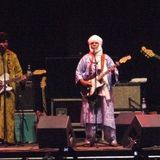
Tinariwen emerged from the Tuareg experience of exile and movement across the Sahara. Electric guitars, repeated melodic phrases and Tamasheq lyrics gave voice to homeland, separation and community. Albums such as Amassakoul and Aman Iman extended the reach of a musical tradition already deeply connected to Saharan audiences.
E.T. Mensah and the Tempos helped carry Ghanaian highlife across West Africa in the mid-twentieth century. Their brass arrangements, dance rhythms and songs including Ghana Freedom accompanied an era of independence and social change. The orchestra's touring and recordings influenced musicians in Ghana, Nigeria and other neighbouring countries.
Les Wanyika was established in Kenya by musicians with Tanzanian roots and became a leading voice of Nairobi's Swahili rumba era. Sina Makosa, Paulina and other songs combined flowing guitars with memorable Kiswahili refrains. Its popularity illustrates the interconnected music industry that linked Kenya, Tanzania and the wider East African region. Origins and affiliation: Kenya / Tanzania.
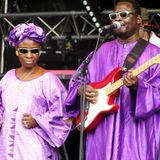
Amadou Bagayoko and Mariam Doumbia built a musical partnership around complementary singing and Amadou's guitar. Their recordings circulated in West Africa before Dimanche à Bamako brought a much larger international audience. Songs such as Sénégal Fast Food and Je pense à toi demonstrate their ability to combine everyday subjects, memorable melodies and Malian musical roots.
Bamako's railway-sponsored orchestra brought Mandé praise singing and historical repertoire into a modern dance-band setting. Salif Keita, Mory Kanté and guitarist Djelimady Tounkara were among the major musicians associated with it. The group helped establish Bamako as a centre of modern West African music and produced an extensive catalogue under several related names.
Youssou N'Dour's Super Étoile made Senegalese sabar percussion, electric instruments and powerful vocal performance central to modern mbalax. The orchestra grew from the Étoile de Dakar scene and became a fixture in Senegalese dance music. Its live performances and extensive repertoire helped take Wolof-language popular music beyond Senegal without losing its local musical character.
Les Bantous de la Capitale became one of Brazzaville's most enduring orchestras after its founding in 1959. Its music developed alongside the rumba scene across the Congo River, with elegant guitar work, horns and vocal harmonies. The group represents the Republic of the Congo's own important contribution to a genre shared by both Congos.
Koffi Olomidé's Quartier Latin became a central orchestra of the Congolese rumba and ndombolo era. It combined elaborate studio arrangements with a constantly evolving roster of singers and dancers. Fally Ipupa and other future stars passed through the ensemble, whose collaborative recordings and touring helped spread the sound across African dance floors.
The Oriental Brothers established an enduring style of southeastern Nigerian highlife built around bright electric guitars, flowing rhythms and Igbo-language storytelling. Dan Satch and other members became closely associated with the genre's post-civil-war revival. Their music remains important at Igbo celebrations and in the development of guitar-band highlife.
Known as Sikinde, Mlimani Park Orchestra emerged in Dar es Salaam in 1978 and became one of Tanzania's defining dance bands. Its carefully arranged guitars, horns and Kiswahili lyrics made the orchestra a fixture of radio and live entertainment. Its long career preserves the importance of the zilipendwa tradition in East African music.
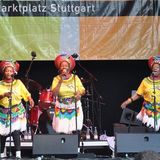
The Mahotella Queens helped define South African township music through their layered female harmonies, coordinated dancing and recordings with Mahlathini and the Makgona Tsohle Band. Their sound reached black South African audiences during apartheid and later travelled internationally. The Queens' contribution was not merely accompaniment: their vocal identity was essential to the music's appeal.
The Bhundu Boys developed an exuberant guitar-based sound that became prominent in Zimbabwe during the 1980s. Songs such as Hatisi Tose and Shabini brought Shona-language pop to domestic radio and later to overseas audiences. Their rhythmic drive and interlocking guitar playing helped introduce Zimbabwean jit to a wider world.
Poly-Rythmo created a remarkably varied catalogue in Cotonou, drawing on Beninese ceremonial rhythms alongside soul, Cuban music and funk. The group was central to Benin's recording and dance-band culture before later archival releases introduced it to new audiences. Its versatility helped establish a distinctive national interpretation of West African electric music.
King Sunny Adé's African Beats developed the layered guitars, talking drums and percussion associated with modern jùjú. Their extended performances and recordings accompanied Yoruba social events and brought the genre to wider Nigerian and international audiences. The group demonstrates how large-band arrangements can sustain complex rhythms while supporting a lead singer.
Msondo Ngoma traces its institutional history through NUTA Jazz, Juwata Jazz and OTTU Jazz. These successive identities reflect Tanzania's distinctive tradition of labour-union-supported dance orchestras. Its Kiswahili songs and enduring live performance culture connect several generations of Tanzanians to the classic dansi era.
Werrason led Maison Mère following the division of the original Wenge Musica. Solola Bien and subsequent recordings established the new orchestra as a distinct force in Congolese dance music. Its singers, animateurs, guitarists and energetic stage shows helped carry ndombolo into the twenty-first century across Africa.
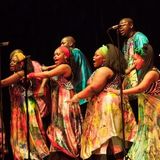
Soweto Gospel Choir combines South African church singing, traditional songs and freedom-era repertoire in a large vocal ensemble. Its Grammy-winning albums Blessed and Freedom brought international attention to the choir's harmonies and multilingual performances. Its appeal is rooted in South Africa's rich community and church choral traditions.
Empire Bakuba, associated with Pépé Kallé, Dilu Dilumona and other musicians, became known for strong harmonies and energetic dance arrangements. Its songs and stage shows helped the orchestra reach audiences throughout Africa. The band's distinctive identity was built through collective singing, guitar playing and theatrical performance.
King Kester Emeneya's Victoria Eleison developed a polished Congolese pop sound with electronic instruments alongside traditional rumba arrangements. The group's singers and players helped establish a recognisable musical identity within Kinshasa's competitive orchestra scene. Its repertoire represents an important era of experimentation in Congolese dance music.
JB Mpiana's Wenge BCBG emerged from the original Wenge split and built a separate catalogue rooted in polished vocal arrangements and energetic dance sections. The album Titanic documented its emergence as a major independent orchestra. Its rivalry with Maison Mère became an important part of Congolese popular music culture.
Guitarist Dr Nico Kasanda led African Fiesta Sukisa after the division of African Fiesta. His expressive guitar playing and the orchestra's vocal arrangements helped develop the melodic language of Congolese rumba. Its recorded work remains a reference point for later African guitarists and rumba enthusiasts.
The Four Brothers combined quick guitar figures, rhythmic precision and songs about relationships and everyday life. Led by Marshall Munhumumwe, the band became an important feature of Zimbabwean radio and live entertainment. Its music, including the classic Makorokoto, helped define the country's guitar-band sound.
Jerry Hansen's Ramblers International was one of Ghana's major highlife orchestras. Its carefully arranged horns, vocal harmonies and dance rhythms appealed to audiences at clubs, public events and on radio. The group's longevity helped preserve the big-band highlife tradition as later popular styles developed.
Liceu Vieira Dias and his fellow musicians established Ngola Ritmos in the late 1940s, drawing on Angolan languages and rhythms under Portuguese colonial rule. Muxima remains one of the group's most widely remembered songs. Its acoustic instrumentation and cultural assertion helped lay the foundations for modern Angolan popular music.
Mahaleo emerged in the early 1970s and developed a distinctive sound around Malagasy-language songwriting, acoustic guitars and vocal harmonies. Its songs have carried the group's observations of love, society and everyday experience across generations. Its enduring domestic appeal makes Mahaleo a central name in Malagasy popular music.
Ebenezer Obey's Inter-Reformers, evolving from his earlier International Brothers lineup, built a richly melodic jùjú sound with guitars, talking drums and Yoruba storytelling. Their repertoire addressed family life, moral lessons and celebration. The band helped make jùjú a durable part of Nigerian social and musical culture.
Ray Phiri's Stimela developed a sophisticated blend of township rhythms, jazz, soul and electric guitar. Songs such as Whispers in the Deep and See the World became important parts of South Africa's popular music repertoire. Its socially conscious songwriting and collective musicianship helped establish a distinctive voice during the apartheid era.
Johnny Clegg and Sipho Mchunu built Juluka around Zulu musical traditions, guitar and multilingual songwriting. African Sky Blue and Scatterlings of Africa helped bring its sound to diverse audiences during apartheid. Its integrated lineup and musical collaboration challenged racial barriers while developing a recognisable South African band style.
Tema's Mugeez and Omar Sterling brought together melodic singing and rap in one of Ghana's most recognisable modern duos. Songs such as Kiss Your Hand, Slow Down and Life helped connect the Ghanaian scene with Nigerian pop and other West African audiences. Their work bridges hiplife and the contemporary Afrobeats era.
Extra Musica became a leading Brazzaville orchestra during the 1990s with an energetic interpretation of Congolese dance music. Roga Roga and his fellow musicians combined guitar-driven sebene sections, multiple singers and strong stage choreography. Albums such as État-Major helped make the band familiar beyond its home country.
Kabelo Mabalane, Zwai Bala and Tokollo Tshabalala made TKZee a defining group of post-apartheid youth music. Shibobo and the album Halloween, including Dlala Mapantsula, became major cultural markers of the late 1990s. The trio connected township dance rhythms, rap, football culture and memorable hooks.
Bongo Maffin helped establish kwaito as a versatile expression of South African urban life through songs such as Thath' Isigubhu and Mari Ye Phepha. Thandiswa Mazwai, Stoan, Jah Seed and Speedy were associated with its classic lineup. The group's mix of singing, rap and dancehall influences helped broaden the genre's musical possibilities.
Nana Ampadu and the African Brothers developed a deeply influential approach to Ghanaian highlife through Akan-language narratives, proverbs and social observation. The band's songs addressed family, public conduct and everyday life while retaining an accessible dance rhythm. Its repertoire became part of Ghana's collective musical memory.
Jil Jilala arose during the Moroccan folk-group movement of the 1970s. Its members brought together malhun-inspired poetry, spiritual rhythms, traditional instruments and collective singing. The group's enduring repertoire demonstrates how Moroccan popular music could remain rooted in local poetic and devotional practices while addressing contemporary audiences.
Boom Shaka helped define the first wave of kwaito in the 1990s with It's About Time and a distinctive blend of dance, fashion and pop vocals. Lebo Mathosa, Thembi Seete, Junior Sokhela and Theo Nhlengethwa became closely associated with the youthful culture of democratic South Africa. Their stage performance was as important to their identity as their recordings.
Simba Wanyika, formed by Tanzanian musicians and established in Kenya, was instrumental in shaping the Swahili rumba sound. Its music and personnel influenced related ensembles including Les Wanyika. The original band's separate catalogue exemplifies the cross-border circulation of singers and guitarists in East African dance music. Origins and affiliation: Tanzania / Kenya.
Orchestra Super Mazembe became a major attraction in Nairobi after its musicians migrated from the Congolese region. Shauri Yako and other recordings found large audiences in Kenya and beyond. The ensemble's success illustrates how Congolese guitar music became an integral part of East African urban culture. Origins and affiliation: Kenya / DR Congo.
The Makgona Tsohle Band was a foundational instrumental ensemble in South African mbaqanga, featuring musicians such as Marks Mankwane and West Nkosi. Its players supplied the rhythm, guitar and saxophone arrangements behind numerous Mavuthela recordings and recorded under the band's own name. Its work with Mahlathini and the Mahotella Queens helped establish the characteristic sound of classic township music.
The Soul Brothers established a highly recognisable mbaqanga sound through David Masondo's vocals, Moses Ngwenya's organ and a driving rhythm section. Their songs became staples of South African radio and township entertainment over several decades. Their long career demonstrates the continuing domestic importance of mbaqanga beyond its classic recording era.
The Black Spirits helped Oliver Mtukudzi develop his recognisable sound through intricate guitar, percussion and backing vocals. The ensemble supported an extensive repertoire including songs about family, responsibility and community. Its changing musicians contributed to the distinctive live character of Tuku music across Zimbabwe and Southern Africa.
Brothers Kingsley Okorie and Benjamin James have built a modern highlife sound around bass, drums, guitar textures and vocal harmonies. Their album Roots and songs such as Osondu brought the musical language of older Nigerian guitar bands to contemporary listeners. Their live performances are central to their reputation.
Thomas Mapfumo's Blacks Unlimited helped translate the melodic patterns and rhythmic relationships of Shona mbira music into electric-band arrangements. Their recordings accompanied lyrics about liberation and later social concerns. The orchestra's interplay between guitars, percussion and traditional instruments became central to the chimurenga sound.
Maroon Commandos developed from a Kenyan military ensemble into one of the country's enduring popular bands. Habel Kifoto and fellow musicians became associated with Kiswahili songs including Charonyi Ni Wasi and an extensive live repertoire. The band's place in Kenyan music reflects its domestic audience and long contribution to the East African rumba tradition.
Daniel Owino Misiani and Shirati Jazz helped establish benga as one of East Africa's major guitar-band styles. Their swift guitar patterns and Dholuo-language lyrics carried stories and commentary drawn from everyday life. The ensemble's recordings influenced numerous bands in Kenya and Tanzania and helped give benga a distinctive commercial identity. Origins and affiliation: Kenya / Tanzania.
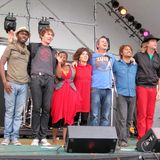
Freshlyground brought together musicians from several Southern African countries in a Cape Town-based ensemble. Doo Be Doo and I'd Like became familiar on South African radio before the group reached further international audiences through its collaboration on Waka Waka. Its blend of guitar, violin, percussion and vocals gave it a distinctive cross-cultural identity.
Mango Groove combined pennywhistle, brass, pop vocals and older South African urban musical traditions. Special Star and Dance Some More became familiar during the period of political transition. The ensemble helped reintroduce elements of kwela and marabi to a broad contemporary audience through accessible arrangements and energetic concerts.
Samba Mapangala formed Orchestra Virunga in Nairobi, combining Congolese rumba arrangements with songs in Lingala and Kiswahili. Recordings such as Malako helped establish the group among East Africa's major dance orchestras. Its music illustrates how Congolese migrants and local musicians jointly shaped Nairobi's recording industry. Origins and affiliation: Kenya / DR Congo.
Étoile de Dakar helped transform Senegalese dance music by giving greater prominence to local percussion and Wolof singing. Its early recordings featured Youssou N'Dour and other musicians who subsequently formed separate bands. The original ensemble belongs to the transition between Dakar's Afro-Cuban orchestra tradition and modern mbalax.
Styl-Plus made harmony-driven Nigerian R&B a commercial force in the 2000s. Olufunmi, Imagine That and Runaway became enduring favourites on radio and at social gatherings. Their smooth vocal arrangements established a different route to Nigerian pop success from the dance-oriented groups of the same era.
Vast and Smash became household names in Nigerian pop through Yori Yori, a melodic love song that travelled widely across Africa. Ada Owerri and other releases reinforced their identity as a harmony-led duo. Their success demonstrated the reach of Nigerian romantic pop during the years preceding the global Afrobeats boom.
Barabas and Master Just made Toofan one of Togo's most recognisable contemporary groups. Their upbeat songs and choreography, including the Gweta dance phenomenon, travelled throughout Francophone and Anglophone Africa. The duo's success helped bring Togolese popular music to audiences outside its relatively small domestic market.
Lemchaheb emerged from Morocco's 1970s group-music movement with an expressive mix of traditional poetry, strings and collective vocals. Its music addressed social concerns while experimenting with a wider palette of sounds. The band helped establish a Moroccan alternative to the dominant solo-singer model of popular Arabic music.
Izenzaren became an important voice of the Souss region through Tashelhit-language poetry, rhythmic strings and communal singing. Its work helped establish a modern Amazigh group style in the 1970s. The band's cultural influence demonstrates why Moroccan musical history cannot be understood through Arabic-language music alone.
Morogoro Jazz became closely associated with guitarist and singer Mbaraka Mwinshehe, whose compositions helped define Tanzanian dance music. The band's melodic guitars and Kiswahili singing appealed to audiences throughout East Africa. Its classic recordings are central to the history of Tanzania's zilipendwa repertoire.
With roots in Congolese musical migration, Maquis Original became one of Dar es Salaam's prominent dance orchestras. Its recordings blended Kiswahili vocals and Congo-derived guitar music into an appealing style for Tanzanian audiences. Its rivalry with other major orchestras helped make live dansi a central part of urban entertainment.
Orchestra Safari Sound was among Tanzania's leading dance bands during the golden age of live orchestras. Its rhythm section, melodic guitars and singers formed part of the competitive Dar es Salaam band scene. The original orchestra is distinct from the later International Orchestra Safari Sound.
Alick Macheso's Orchestra Mberikwazvo became a major live attraction through bass-led arrangements, fast guitar work and coordinated dance performance. Recordings such as those on Simbaradzo helped extend sungura's appeal to a younger audience. The ensemble's musicianship is integral to the sound associated with Macheso's career.
Barura Express provided the agile guitar and rhythm-section work behind Leonard Dembo's celebrated sungura sound. Chitekete and other recordings became familiar across Zimbabwe through their extended dance passages and memorable melodies. The band's playing helped establish the enduring appeal of sungura at celebrations and live venues.
2Face Idibia, Faze and Blackface helped establish a Nigerian alternative to imported R&B through the Plantashun Boiz. Their album Body and Soul and songs such as Knock Me Off introduced a youthful, locally produced pop sound. Their shared work helped prepare the ground for Nigeria's commercial music expansion in the 2000s.
The Green Arrows, associated with brothers Zexie and Stanley Manatsa, became a pioneering Zimbabwean popular band before independence. Their guitar-led music and recordings, including Chipo Chiroorwa, helped establish a domestic recording culture. They were an important predecessor to later generations of Zimbabwean guitar bands.
Staff Benda Bilili developed its sound among musicians in Kinshasa, including performers with physical disabilities. Guitars, percussion, harmonies and Roger Landu's homemade satongé gave albums such as Très Très Fort a distinctive identity. Their work expanded the visibility of street-based Congolese musicians while remaining grounded in Kinshasa's rumba culture.
Mokoomba emerged from Victoria Falls with a sound rooted in the languages and musical traditions of the surrounding region, including Tonga. Albums such as Rising and Luyando brought their vocal harmonies, percussion and guitar work to wider audiences. The ensemble represents a distinctive part of Zimbabwean music outside the country's dominant Shona-language industry.
WITCH, led during its classic period by Emmanuel Chanda, was a key group in the Zambian rock scene of the 1970s. Albums such as Introduction and Lazy Bones!! combined electric rock with local rhythms and Zambian experiences. Renewed interest in Zamrock has highlighted a musical movement that was originally built for domestic audiences.
The Walias Band was an important part of Addis Ababa's hotel and nightclub scene. Keyboardist Hailu Mergia and his colleagues combined Ethiopian scales and melodies with funk and jazz-inflected arrangements. Recordings from their classic period preserve the sound of urban Ethiopian music during an era of exceptional studio and live-band creativity.
Roha Band drew together experienced musicians from the Ibex and Dahlak bands and became a prominent recording and performing ensemble. Its arrangements supported major Ethiopian singers and helped establish the keyboard-and-guitar sound familiar from many recordings of the 1980s. The band's influence is particularly important in Ethiopia's domestic cassette and concert culture.
Cairokee developed a guitar-led Egyptian rock sound with colloquial Arabic lyrics. The song Sout El Horeya, made with other performers, became particularly prominent during the events of 2011, while subsequent albums explored personal and social themes. The band's concert following reflects the growth of an Egyptian alternative music audience beyond traditional solo singers.
The three sisters of Al Balabil became celebrated performers in Sudan through their close harmonies and interpretations of Sudanese songs. Their recordings and television appearances helped make women's group singing a visible part of national popular culture. Their enduring appeal is rooted in Sudanese melodies and the collective character of their voices.
Os Kiezos grew out of Luanda's Marçal neighbourhood and became an influential ensemble during the golden age of Angolan popular music. Its guitar arrangements and dance rhythms combined semba with other Atlantic musical forms. The band's recordings, including Milhorró, capture the creativity of Luanda's pre-independence music scene.
Dur-Dur Band was part of Mogadishu's flourishing popular music scene during the 1980s, combining Somali melodies and rhythms with funk, disco and electric instruments. Its recordings preserve a period when live bands and cassette releases were central to urban Somali entertainment. Later reissues have introduced its distinctive sound to new generations.
Led by Hany Shenouda, El-Massrieen developed a modern Egyptian band sound in the late 1970s and 1980s. Its recordings combined Egyptian melodies and colloquial lyrics with keyboards, guitars and contemporary pop arrangements. The ensemble helped establish a home for group-based Egyptian pop outside the established orchestral solo-singer tradition.
Bulimundo helped bring funaná, a musical tradition strongly associated with Santiago island, into modern electric-band settings after independence. Carlos Alberto Martins, known as Catchás, and his colleagues adapted accordion-derived patterns for guitars and keyboards. The group expanded the genre's place in Cabo Verdean popular culture and influenced later performers.
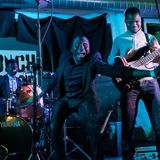
Songhoy Blues formed among musicians displaced by conflict in northern Mali. Their album Music in Exile combined electric guitar, Songhai musical influences and the energy of a rock band. The group's work connects modern urban musicianship with the varied cultural traditions of northern Mali.
Super Mama Djombo became closely associated with Guinea-Bissau's independence-era cultural identity. Its songs in Guinea-Bissau Creole and other musical influences reflected a new nation's aspirations, celebrations and social experiences. The band's electric arrangements helped establish gumbé and related local rhythms as a modern popular music language.
Raïna Raï developed an electric band interpretation of Algerian raï, mixing guitar and keyboard textures with the music of western Algeria. Ya Zina became an enduring favourite and helped establish its distinctive sound. The group brought a collective rock-oriented identity to a genre frequently associated with individual singers.
Led by Keletigui Traoré, the Tambourinis were among the orchestras that shaped Guinea's independence-era national music. Their recordings joined saxophone, guitar and percussion with Mandé-derived melodies. The band's long involvement in Guinea's state-supported musical scene contributed to a repertoire of modern African dance music.
Les Ambassadeurs developed from Bamako's hotel music scene and later worked in Abidjan. With musicians including Salif Keita and Kanté Manfila, the orchestra created an influential blend of Mandé vocals, guitar-led dance music and international pop influences. Its recordings helped connect Malian music with a broader West African audience. Origins and affiliation: Mali / Côte d'Ivoire.
Super Diamono became an important Senegalese band through its synthesis of local rhythms, rock and other contemporary influences. Omar Pène and successive colleagues gave the orchestra a repertoire with a strong social and youth-oriented dimension. Its long career provides an alternative strand of Senegalese popular music alongside the dominant mbalax orchestras.
Les Amazones de Guinée emerged from an all-women musical ensemble associated with Guinea's gendarmerie. Their singers and instrumentalists challenged the predominance of men in West African dance orchestras. Their recordings and stage performances established an enduring example of women's collective musicianship in African popular music.
Named after the Prenda neighbourhood of Luanda, Jovens do Prenda became a prominent Angolan dance ensemble in the late colonial period. Its electric guitars and supple rhythms helped modernise semba while accompanying a range of important singers. The band's recordings remain part of Angola's classic popular music repertoire.
Wust El Balad arose from Cairo's live music scene, combining Arabic melodic traditions with acoustic guitar, percussion and contemporary arrangements. Songs such as Shams El Nahar helped establish a recognisable sound independent of mainstream commercial Arabic pop. The group contributed to the expansion of alternative live music venues in Egypt.
Igd al Jalad developed an ensemble approach to Sudanese popular song through poetry, harmonised voices and live instrumental arrangements. Its repertoire brought literary texts and social themes into accessible music. The group represents Sudan's rich tradition of collective performance beyond the familiar solo-singer format.
Ibex Band contributed to Addis Ababa's flourishing recording industry in the 1970s. Its musicians accompanied leading Ethiopian singers, including Mahmoud Ahmed, while bringing distinctive guitar, bass and keyboard arrangements to the recordings. Members later contributed to Roha Band, giving Ibex an important place in the development of modern Ethiopian ensemble music.
Them Mushrooms grew from the Kenyan coastal music scene and became widely recognised through Jambo Bwana and other songs. The band's blend of guitar-based dance rhythms, reggae influences and Kiswahili vocals appealed to both domestic audiences and visitors. Its longevity helped sustain a distinctive Kenyan coastal live-band tradition.
H_art the Band developed its identity through singing, live instrumentation and spoken-word performance. Uliza Kiatu and El Shaddai demonstrate the group's combination of memorable Kenyan pop melodies and everyday storytelling. Its rise from Nairobi's performance spaces illustrates the continuing importance of live musicianship in contemporary East African music.
Gidi Gidi Maji Maji brought Dholuo-language rap and catchy hooks into Kenya's mainstream popular music. Unbwogable became a widely recognised expression of confidence and solidarity, while their earlier Ting Badi Malo established their musical identity. The duo helped demonstrate the commercial possibilities of Kenyan-language urban music.
Nazizi, Wyre and original member Bamzigi helped establish Necessary Noize in the Kenyan urban music scene. Kenyan Boy, Kenyan Girl and Bless My Room became enduring favourites of the region's early-2000s radio generation. Their music brought rap, reggae and dancehall together while making female hip-hop performance more visible.
Roba, Nyashinski and Collo became prominent in Kenya's Ogopa Deejays era with songs such as Freak It and Tuendelee. Their commercial hooks and youthful lyrics contributed to the growth of Nairobi's urban music industry. The trio's shared recordings remain important to the generation that experienced Kenyan pop's early-2000s expansion.
Jackie Chandiru, Cindy Sanyu and Lillian Mbabazi emerged from the Coca-Cola Popstars project as one of Uganda's most recognisable girl groups. Hitaji and other releases helped establish their harmony-led style, and later lineups continued the group's catalogue. Blu 3 opened new opportunities for female pop groups in the Ugandan mainstream.
Jimmy Katumba and the Ebonies brought distinctive vocal arrangements and theatrical performance to Ugandan popular entertainment. Their songs and stage productions developed a strong following during the period before Uganda's modern pop industry. Their legacy connects recorded music with the country's tradition of musical drama and live entertainment.
Eagles Production brought together singers including Mesach Semakula, Ronald Mayinja and other prominent Ugandan performers within a shared live-band and production framework. Its Luganda-language repertoire and concert culture reached audiences across Uganda. The collective played an important role in the development of modern Ugandan band music.
Golden Band was established by musicians associated with Eagles Production and continued the tradition of locally rooted Luganda-language live entertainment. Its singers combined danceable arrangements with songs about family, relationships and social life. Its repertoire and concerts represent a later chapter of Uganda's band-music scene.
Nicholas Zakaria's Khiama Boys became a major name in Zimbabwean sungura and a formative environment for musicians including Alick Macheso. Their recordings combined detailed guitar interplay with Shona-language songs about everyday experiences. The band contributed both a substantial catalogue and a continuing lineage of sungura musicians.
Simon Chimbetu's Dendera Kings helped establish a recognisable guitar-band style known as dendera. The ensemble's bass patterns, vocals and dance rhythms accompanied songs about liberation, relationships and ordinary life. Its musical tradition continued through subsequent musicians and related orchestras after Chimbetu's death.
Johnny Clegg formed Savuka after Juluka, developing a separate repertoire with a fuller international pop-rock sound. Asimbonanga and Great Heart combined strong melodies with South African rhythms and social themes. The ensemble brought the experience of apartheid-era and transitional South Africa into its own distinctive recorded and live work.
Chris McGregor's Blue Notes brought together South African jazz musicians including Dudu Pukwana and Mongezi Feza. Their work combined local musical ideas with improvisation, and their departure from apartheid South Africa led to influential recording and performing activity abroad. Their collective sound remains important to South Africa's modern jazz history.
The Parlotones became a prominent South African rock band through guitar-driven songs and a strong live following. Albums such as A World Next Door to Yours helped establish their melodic sound on domestic radio. Their career represents the scale of South Africa's local rock audience alongside its better-known dance music traditions.
The Soil developed a vocal-only approach drawing on township harmonies, soul, gospel and beatboxing. Joy and Inkomo helped establish a broad South African following for the group's distinctive sound. The ensemble demonstrated how a cappella performance could become part of contemporary urban pop rather than remaining confined to traditional choral settings.
Malaika became a major South African pop group during the 2000s through songs including Destiny and 2 Bob. The voices of Tshedi Mholo, Bongani Nchang and the late Jabu Ndaba gave the group a distinctive melodic identity. Its recordings reached audiences across Southern Africa and remain familiar to fans of that era.
Trompies contributed to the emergence of kwaito as a defining post-apartheid township genre. Its members combined rap, memorable dance hooks and a streetwise performance style in songs such as Magasman. The group's work helped establish kwaito as a local cultural movement with its own language and fashion.
Oskido and Bruce Sebitlo's Brothers of Peace project contributed to the production-driven development of South African dance music. Their work brought house rhythms and kwaito into a shared club and radio repertoire. Their recordings demonstrate the role of producer-led groups in shaping the country's urban music scene.
Mi Casa combines J'Something's vocals, Dr Duda's production and Mo-T's trumpet in a distinctive South African house ensemble. These Streets and Jika helped establish its domestic and regional audience. Live instrumentation and melodic songwriting differentiate its sound from many purely studio-based dance projects.
Joyous Celebration developed into one of South Africa's major contemporary gospel institutions through live albums, large-scale concerts and multilingual worship songs. Its changing roster has introduced numerous singers to national audiences. The collective brings together church traditions, contemporary arrangements and the country's strong culture of communal singing.
Eedris Abdulkareem, Tony Tetuila and Eddy Remedy became prominent in Nigeria's late-1990s pop revival. Shakomo and their other recordings combined local slang, rap and danceable rhythms. The group helped prove that Nigerian urban music could command a mainstream domestic audience at a time when foreign pop dominated much of the market.
Twins Taiwo and Kehinde Lijadu built a distinctive vocal partnership within Nigeria's 1970s recording industry. Danger, Mother Africa and Horizon Unlimited brought together soul, funk, Yoruba musical influences and observations of social life. Their catalogue stands out in an era when men dominated many prominent Nigerian popular ensembles.
Culture Spears became a major Botswana musical group by bringing Setswana traditional rhythms, singing and dance to the contemporary recording industry. Kulenyane and other songs found audiences beyond Botswana in Southern Africa. Its performances helped give local dance and storytelling traditions a strong place in modern popular entertainment.
The Jazz Epistles brought together Abdullah Ibrahim, Hugh Masekela, Kippie Moeketsi, Jonas Gwangwa and other leading musicians at the end of the 1950s. Their album Jazz Epistle Verse 1 documented the ambition of South African modern jazz. Though short-lived, the collective helped establish a lineage of musicians whose careers shaped African jazz.
The Funkees grew from southeastern Nigeria's post-civil-war music scene and developed a distinctive rock and funk sound. Their guitars, percussion and energetic vocals appear on recordings collected from their Nigerian and London periods. The group represents the breadth of Nigerian popular music before the rise of contemporary Afrobeats.
The Wings emerged from the southeastern Nigerian band scene of the 1970s, combining highlife guitar traditions with electric rock. Their recordings, including the album Kissing You So Hard, capture the experimentation of the era. The group's work reflects the rebuilding of musical life in the region after the Nigerian civil war.
Ikenga Super Stars of Africa developed an energetic guitar-band highlife style closely associated with southeastern Nigeria. Their Igbo-language vocals and extended dance arrangements earned the band a place in the region's highlife tradition. Their catalogue preserves the importance of ensembles in social occasions and community celebrations.
Sir Shina Peters and his band combined jùjú guitar patterns with percussion, keyboards and a fast-paced pop sensibility. Ace became a landmark recording of the late 1980s and helped attract a younger Nigerian audience to jùjú music. The band's collective arrangements were essential to the excitement of Afro-juju.
Positive Force has been central to Femi Kuti's development of a contemporary Afrobeat sound through horns, percussion and a tight rhythm section. Its performances at the New Afrika Shrine continue a longstanding Lagos live-music tradition. The ensemble's own catalogue combines dance grooves with social commentary and a modern arrangement style.
Egypt 80 developed from Fela Kuti's later orchestra and continued under Seun Kuti. Its established horn and rhythm-section sound supports recordings such as From Africa with Fury: Rise and Black Times. The group connects the history of Lagos Afrobeat with a continuing live-band tradition and a distinct contemporary repertoire.
The Mo'Hits recording collective brought D'banj, Don Jazzy, Wande Coal, Dr SID and other performers together during Nigeria's late-2000s pop expansion. Curriculum Vitae and songs such as Pere captured the group's shared identity. Its collaborative recordings helped establish the label-based model that became prominent in Nigerian popular music.
Kcee and Presh emerged as a prominent Nigerian pop duo after winning the first Star Quest competition. Their songs and performances built a following before the pair pursued separate careers. The group belongs to the formative years of modern Nigerian commercial pop and its emerging talent-show infrastructure.
Tec and Ghost established Show Dem Camp through detailed rap writing and a distinctly Nigerian perspective. Their Clone Wars series and Palmwine Music projects helped create a home for alternative sounds within the country's popular music industry. The duo's collaborative approach has introduced many younger artists to wider audiences.
Piego and Knowledge brought their Port Harcourt background into contemporary Nigerian popular music through songs such as Barawo and Pronto. Their combination of singing, rap and everyday observations helped distinguish them from the Lagos-centred mainstream. The duo represents the continuing growth of regional Nigerian urban music scenes.
VIP became one of Ghana's major hiplife groups through songs such as Ahomka Womu. Its Nima roots, rap and melodic hooks helped bring Ghanaian urban music to a broad domestic audience. The group's legacy is particularly important to the generation that experienced hiplife's commercial rise in the early 2000s.
Praye brought humour, catchy melodies and rap to Ghanaian radio through songs such as Angelina. The group's performances and popular videos made it a distinctive feature of the 2000s music scene. Its appeal demonstrates the importance of group-based pop in Ghana's hiplife era.
Captain Planet, Coded and later Fresh Prince developed 4x4 into a prominent Ghanaian group with songs such as World Trade Centre. Their repertoire combined rap, dance music and melodic hooks. The group's evolving sound reflected hiplife's transition toward more broadly West African club-oriented pop.
Wulomei brought Ga musical traditions to modern audiences through percussion, guitar and harmonised vocals. Emerging from Accra's cultural scene, the group developed an identity rooted in local language and community rhythms. Its music helped preserve traditional urban Ghanaian forms within a changing commercial recording industry.
The Black Beats were an important ensemble of Ghana's classic dance-band period. Their horn arrangements and rhythmic approach contributed to the highlife repertoire that filled clubs and radio programmes. The group belongs to the generation that established Ghanaian highlife as a widely influential West African popular genre.
The Sweet Talks developed a vibrant electric sound during Ghana's 1970s highlife era. Their recordings mixed traditional highlife guitar patterns with funk, brass and dance-oriented arrangements. Albums such as The Kusum Beat illustrate the musicians' capacity to bring local rhythmic ideas into new forms of popular music.
City Boys Band became part of the flourishing Ghanaian guitar-band highlife tradition. Its melodic guitars and Akan-language repertoire appealed to listeners through recordings and live entertainment. The group represents the breadth of Ghana's popular bands beyond the better-known dance orchestras of the early independence period.
Os Tubarões became one of Cabo Verde's important post-independence bands, with Ildo Lobo among its defining voices. Their repertoire brought island traditions and contemporary instrumental arrangements together. Songs such as Labanta Braço reflected a distinctive Cabo Verdean cultural identity, and the group remained important beyond the islands through diaspora audiences.
Ghorwane emerged from Maputo's music scene and developed a sound combining Mozambican rhythms, horns and electric guitar. Its music often addressed social experience during the country's long period of upheaval and recovery. Albums such as Majurugenta demonstrate how the group expanded the possibilities of contemporary marrabenta and Mozambican urban music.
The Orchestra Marrabenta Star assembled experienced Mozambican musicians to perform the country's distinctive guitar-based urban dance music. Its repertoire drew on earlier marrabenta traditions while incorporating modern arrangements. The ensemble helped preserve and extend the music associated with Maputo's social and dance culture.
Musi-O-Tunya brought Zambian musical ideas into the electric-rock experimentation of the 1970s. Its recordings, including Wings of Africa, combined percussion, guitars and soulful vocals. The group's work is an important part of Zamrock's original development within the regional music industry.
Amanaz recorded Africa in the 1970s, combining psychedelic rock, blues-inflected guitar and Zambian musical experience. Its comparatively small recorded catalogue has attracted later interest in Zamrock history. The group exemplifies the creative possibilities of Zambia's independent-era electric music scene.
Paul Ngozi's Ngozi Family became a prominent Zambian rock ensemble through its energetic electric-guitar sound and recordings such as 45,000 Volts. Its performance style and music emerged from the local rock scene rather than an imported concert circuit. The band's work forms an important part of Zambia's popular music heritage.
Matsieng developed a popular style combining Setswana lyrics, humour and traditional-inspired dance music. Tinto became one of its recognisable recordings and extended the group's appeal across regional audiences. The ensemble belongs to Botswana's successful wave of commercial traditional music in the 2000s.
Frank and His Sisters recorded guitar-led songs in the mid-twentieth century that helped document the early development of Malawian popular music. Their harmonies and acoustic arrangements were part of a regional tradition of travelling musicians and locally rooted songwriting. Their surviving recordings offer a valuable connection to an earlier era of Malawi's music.
The Black Missionaries became a major force in Malawian reggae through the work of founding musicians including Evison Matafale and successive members. Their Kuimba album series carried spiritual, social and everyday themes into domestic popular music. The band's live following demonstrates the particular importance of reggae in Malawi.
Formed in Grenoble around Algerian singer Amazigh Kateb, Gnawa Diffusion brought together North African rhythms, reggae, rock and multilingual lyrics. Its recordings and concerts developed a following among Maghrebi and diaspora audiences. The group's name reflects its musical influences rather than implying Moroccan origin. Origins and affiliation: Algeria / France.
Tamikrest emerged from the Tuareg guitar tradition in northern Mali and developed its own electric ensemble sound. Albums such as Chatma combined interwoven guitars and Tamasheq lyrics with the energy of contemporary rock. The group's repertoire gives voice to cultural identity and experiences of displacement and change in the Sahara.
Terakaft was established by musicians with connections to the Tuareg guitar tradition associated with Tinariwen. Its recordings feature repeated electric-guitar patterns, layered vocals and Tamasheq lyrics. The group's distinct catalogue demonstrates the variety of Saharan ensemble music rather than treating it as the work of a single famous band.
Etran de L'Aïr grew out of the wedding and celebration music scene in Agadez. Its fast, interlocking guitars and steady percussion developed through years of performing for local audiences. The album Agadez brought a wider audience to a style whose first home was the city's social and dance culture.
Tal National developed an energetic live sound in Niamey, combining electric guitar, percussion and musical ideas from Niger's varied communities. Albums such as Kaani capture the intricate rhythms and multiple vocal styles of the ensemble. Its local performance history is central to understanding the band's musical character.
Yeleen, associated with rappers Smarty and Manwdoé, became an important voice in Burkina Faso's hip-hop scene. Its French-language and locally grounded lyrics addressed everyday social experiences through rap and accessible melodic arrangements. The duo helped establish a distinctive Burkinabè contribution to Francophone African urban music.
Farafina brought Burkinabè percussion, balafon and other traditional instruments into a professional touring ensemble. Its musical exchanges with other performers helped introduce the rhythms of Burkina Faso to new settings. The group demonstrates the importance of instrumental traditions in African band history beyond electric guitars and brass.
Les Go de Koteba developed from Abidjan's performance culture, combining powerful female singing with West African rhythms and theatrical influences. Their recordings gave a collective voice to traditions often presented through individual praise singers. The ensemble reflects the multilingual and culturally connected character of Ivorian musical life.
Les Garagistes became a prominent group within Côte d'Ivoire's zouglou tradition. Its collective vocals, humour and commentary on ordinary life reflected the social roots of the genre. The group's repertoire helped sustain zouglou as a distinct Ivorian popular form alongside the rise of coupé-décalé.
Espoir 2000 developed an enduring following through songs that combined zouglou's communal vocal style with observations of relationships and society. Its recordings helped maintain the genre's relevance beyond its original student movement. The group belongs to a generation that made zouglou an everyday part of Ivorian popular culture.
Les Salopards emerged during the 1990s development of zouglou, using collective singing, humorous narratives and social commentary. Their songs reflected the experiences of young Ivorians and helped establish the genre as a vehicle for local expression. The group's music remains an important part of the history preceding zouglou's later international breakthroughs.
Touré Kunda developed an ensemble sound rooted in Senegal's Casamance region, bringing together multiple West African languages, guitars, percussion and vocal harmonies. Its recordings and touring established a distinctive path for Senegalese music outside the Dakar mbalax mainstream. The band's work reflects Casamance's cross-border musical heritage.
Xalam combined Senegalese percussion and rhythms with jazz, funk and modern ensemble arrangements. Emerging from Dakar's music scene, it helped demonstrate the breadth of Senegalese instrumental music beyond popular mbalax. Its recordings preserve the work of musicians interested in collective improvisation and cross-cultural fusion.
Didier Awadi and Duggy Tee helped establish Senegalese hip-hop through their collective Positive Black Soul. The group's use of local languages and French brought social observations and African identity into modern rap. Its success helped lay foundations for Dakar's subsequent hip-hop culture.
Daara J emerged from Dakar's hip-hop scene with a mixture of rap, melodic vocals and reggae influences. Boomerang helped introduce the group's multilingual repertoire to broader audiences. Its music illustrates the ways Senegalese rappers built a locally grounded identity while participating in an international hip-hop movement.
The Refugee All Stars developed among Sierra Leonean musicians displaced by civil war. Their songs combined reggae, palm-wine rhythms and vocal harmonies with observations of exile, recovery and home. Their albums and touring brought attention to a musical identity grounded in Sierra Leonean experiences rather than a single style of humanitarian storytelling.
Bayete, associated with singer Jabu Khanyile, combined South African rhythms and melodic songwriting with reggae and contemporary pop elements. Mmalo-We became a widely recognised recording of the group's classic period. Its sound found an audience across Southern Africa during the country's transition to democracy.
BANTU, led by Ade Bantu, combines Afrobeat, funk, hip-hop and a multi-instrumental live ensemble. Its Lagos-based performance culture, including the Afropolitan Vibes concert series, has supported collaboration across generations of musicians. The band's catalogue provides a contemporary continuation of Nigeria's socially engaged live-band tradition. Origins and affiliation: Nigeria / Germany.
Watoto Children's Choir became an internationally touring Ugandan gospel ensemble through its changing groups of young singers and dancers. Its performances combine contemporary worship songs with movement and vocal arrangements drawn from East African church music. The choir's recorded repertoire and performances are distinct from individual solo careers.
Yamoto Band became a popular Tanzanian vocal group during the 2010s with songs such as Ya Moto and Nitakupwelepweta. Its young singers combined Bongo flava melodies with polished group performance. The ensemble was a formative platform for musicians who later developed independent solo careers.
Known by fans as Wazee wa Ngwasuma, FM Academia brought Congolese-influenced guitar music and choreographed performances into Tanzania's modern dance-band scene. Its concerts helped maintain the popularity of live orchestras during the rise of Bongo flava. The band is part of the later generation that renewed Dar es Salaam's dansi culture.
Twanga Pepeta became a prominent name in Tanzania's modern live dance-band scene. Its singers, guitarists and dancers developed a repertoire appealing to fans of Kiswahili rumba and Congolese-influenced dance music. The orchestra represents the commercial continuation of dansi after its earlier institution-sponsored era.
The Kilimanjaro Band, commonly known as Wana Njenje, established a distinctive place in Tanzania's concert and dance-music culture. Its energetic performances and electric arrangements brought traditional and contemporary elements together. The group helped sustain the appeal of Tanzanian live bands across changing musical fashions.
Choc Stars emerged in the 1980s as a prominent Kinshasa orchestra with musicians including Ben Nyamabo and other established performers. Its vocal lineups and guitar arrangements contributed to the energetic dance music of the period. The group's personnel and recordings helped shape later Congolese orchestra traditions.
Orchestre Kiam became part of the vibrant Congolese dance-band scene of the 1970s. Its electric-guitar arrangements and multiple singers developed a distinct approach to rumba and the newer dance rhythms. Its recordings document the breadth of Kinshasa's orchestra culture beyond the few ensembles that dominated international attention.
Loketo brought together musicians including Aurlus Mabélé and guitarist Diblo Dibala in a high-energy soukous ensemble. Its quick guitar lines and dance arrangements travelled through African clubs and diaspora communities. The group's repertoire helped establish the fast, guitar-driven style closely associated with late-twentieth-century soukous. Origins and affiliation: Republic of the Congo / DR Congo.
Kékélé united experienced Congolese musicians around a return to the warmer guitar, percussion and vocal textures of classic rumba. Albums such as Rumba Congo and Congo Life presented newly recorded music rooted in older ensemble traditions. Its repertoire highlights the continuing relevance of acoustic and gently paced Congolese dance music.
Beatenberg developed a melodic guitar-led pop sound in Cape Town, drawing on local house, jazz and international indie influences. Pluto (Remember You), a collaboration with DJ Clock, helped bring the band to a broad domestic audience. Its album The Hanging Gardens of Beatenberg illustrates its own distinctive songwriting and ensemble approach.
Victoria Jazz belonged to the generation of Luo-language guitar bands that developed benga into a major Kenyan popular genre. Its bass patterns, repeated guitar melodies and dance rhythms helped sustain the music's regional audiences. The band's recordings document an important part of western Kenya's contribution to national music.
Bebe Cool, Nazizi and Wyre brought together established Ugandan and Kenyan performers in the East African Bashment Crew. Fire Anthem and Kube became recognisable examples of cross-border dancehall collaboration. The project helped connect the region's urban music audiences through shared recordings and performances rather than individual solo releases. Origins and affiliation: Uganda / Kenya.
Camp Mulla became a prominent Nairobi group in the early 2010s through tracks such as Party Don't Stop and Fresh All Day. Its youthful lyrics and international production influences provided a distinctive alternative to earlier Kenyan rap and pop styles. The group's rapid rise demonstrated the growing reach of independently produced Kenyan music.
Brian Chweya, Maureen Kunga and Wambui Ngugi gained recognition as Elani through melodic Kenyan pop songs including Kookoo and Milele. Their debut album Barua ya Dunia established their focus on harmony and relationship-centred songwriting. The trio helped broaden the Kenyan mainstream for group-based vocal pop.
X Plastaz emerged in Arusha and developed a distinctive approach combining Kiswahili rap with Maasai vocal traditions and reggae influences. The group's album Maasai Hip Hop captured a sound different from much of Dar es Salaam's urban music. Its repertoire highlights the musical diversity within Tanzania's hip-hop scene.
Kwanza Unit was among the pioneering groups that helped establish Tanzanian hip-hop in the 1990s. Its members cultivated a collective identity built around rap writing and performance at a time when a local commercial industry was still emerging. The group helped create the environment from which later Bongo flava and Kiswahili rap developed.
The Temeke-based TMK Wanaume collective became prominent in the Tanzanian urban music scene of the 2000s, with Juma Nature among its best-known members. Its Kiswahili rap reflected neighbourhood identity and everyday experiences in Dar es Salaam. The group's success helped demonstrate the importance of locally grounded youth music.
Mad Melon and Mountain Black became known as the Danfo Drivers through their hit I Am a Danfo Driver. Their music drew on Lagos street culture and the dance styles associated with Ajegunle. The duo helped make the experiences and language of working-class urban Nigeria part of the mainstream pop repertoire.
Zule Zoo gained national recognition through Kerewa, blending catchy vocal hooks and rhythms with an exuberant performance style. The duo's music drew on its Benue background and contributed to the varied sound of Nigeria's early-2000s pop industry. Its signature recording remains closely associated with that generation of Nigerian dance music.
Black Theama brought Nubian rhythmic ideas, Arabic vocals and influences from reggae, blues and soul into Egypt's independent live-music scene. Its songs address everyday experiences in a distinctive modern Egyptian idiom. The ensemble helped broaden recognition of Nubian musical heritage within Cairo's contemporary popular music.
Massar Egbari emerged from Alexandria's independent music scene, combining rock instruments and Arabic lyrics with Egyptian melodic influences. The band developed a following through live performances and songs about relationships and contemporary life. Its work reflects the growth of Egyptian alternative music beyond Cairo's traditional commercial centres.
The Waaberi ensemble brought together Somali singers, musicians and theatrical performers in a national cultural setting. Its members interpreted Somali poetry, dance and song through both traditional and contemporary arrangements. Its repertoire forms an important part of Somalia's recorded and performance heritage before the disruption of its cultural institutions.
No entries from this region on this list yet.
About this ranking
From the Congolese rumba orchestras that filled dance floors across the continent to Ghanaian highlife bands, Moroccan folk ensembles, South African vocal groups, East African dance bands and the duos behind modern African pop, collective musicianship has shaped the continent’s sound. Vote for the acts whose shared music, performances, cultural influence and enduring appeal matter most to you.
Eligibility: African-origin bands, orchestras, choirs, vocal groups, duos and established recording collectives. Cross-border and diaspora ensembles with clear African musical roots qualify. Evaluate their shared catalogue, not members’ solo achievements.
A group ranking asks a different question from a list of solo stars. The strongest case is not simply that famous musicians passed through a band, but that their combined decisions produced a sound none of them made alone. Start with a complete recording and follow the arrangement: who establishes the pulse, how voices divide the melody, where instruments answer one another and whether a change of line-up alters the musical identity.
The large orchestras make that collective work easiest to hear. TPOK Jazz, Zaïko Langa Langa and Wenge Musica offer different generations of Congolese ensemble music; Orchestra Baobab, Bembeya Jazz National, Rail Band and Orchestre Poly-Rythmo show how regional repertoire, electric instruments and dance-band formats met across West Africa. Afrigo Band and Les Wanyika bring East African band histories into the same comparison. Long catalogues matter here because they reveal what survived changes in singers and players.
Vocal groups and compact pop line-ups need another kind of listening. Ladysmith Black Mambazo, Mahotella Queens and Soweto Gospel Choir depend on blend, response and the placement of individual voices inside a collective. P-Square, Amadou & Mariam, R2Bees, Bracket and Toofan ask how two contrasting performers sustain a duo. Sauti Sol, Mafikizolo, Magic System, TKZee, Boom Shaka and Bongo Maffin show how recurring vocal roles can hold an identity together even when production styles change.
Tinariwen, Osibisa, the Bhundu Boys, Songhoy Blues, Staff Benda Bilili and The Cavemen. make rhythm-section and guitar interplay central to the case, while Nass El Ghiwane draws its group force from Moroccan poetry, percussion and traditional instruments. Use more than the best-known song, distinguish the original ensemble from later offshoots, and vote for the shared body of work you would most want to hear again.
Think someone is missing from this list?
Suggest an entry and we'll review it for inclusion.