

Bebe Cool was part of the generation that made locally produced dancehall a mainstream Ugandan sound. His long-running concert career, collaborations and catalogue connect early urban music with later pop production. Selected works: Love You Everyday; Kasepiki; Bogolako; Byebyo.
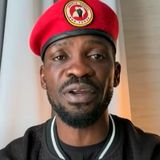
Robert Kyagulanyi built a musical following through Luganda urban pop, songs about everyday livelihoods and social commentary, and the Fire Base Crew. This nomination concerns his musical legacy, not his political career. Selected works: Kadingo; Ghetto; Kyarenga; Akalimu; Situka.
Lutaaya's recordings became part of Ugandan family life, particularly during Christmas. His public disclosure of HIV in 1989 and music about the epidemic made his legacy extend beyond entertainment into public health and human dignity. Selected works: Born in Africa; Alone; Diana; Gloria; Merry Christmas.
Prince Paul Job Kafeero took Luganda storytelling to extraordinary lyrical depth, exploring death, family, social obligations and everyday hardship. His recordings remain a reference point for Ugandan songwriting long after his death. Selected works: Walumbe Zaaya; Dippo Naziggala; Galenzi Mwe.
Afrigo Band built a lasting culture of live Ugandan music around skilled instrumentalists and vocalists including Moses Matovu, Joanita Kawalya and Rachael Magoola. Its repertoire crosses generations and remains an important reference for local bands. Selected works: Jim; Obangaina; Maria; Ekitobero.
Mowzey Radio (Moses Nakintije Ssekibogo) and Weasel Manizo (Douglas Mayanja) combined melodic singing and ragga delivery in a prolific partnership. Their run of local hits and collaborations reshaped expectations for songwriting and production in Uganda. Radio died in 2018; their joint catalogue remains the basis of this entry. Selected works: Nakudata; Bread and Butter; Zuena; Neera; Magnetic; Kuku.

Juliana brought expressive singing and emotionally direct ballads to Ugandan mainstream radio. Her career from I-Jay to solo stardom helped establish a durable place for female vocalists in the modern pop industry. Selected works: Nabikoowa; Kanyimbe; I Am Still Here; Kalibatanya.
Basudde used metaphor, humour and memorable narratives to explore family life, mortality, disease and social behaviour. His music became a fixture of the cassette era and a major reference for subsequent Kadongo Kamu performers. Selected works: Ekiwuka Ekyaga Muntamu; Dunia Weraba; Okuzaala Kwa Leero.
Lord Fred Ssebatta helped take narrative guitar music to large audiences through recorded music and live performance. His tales of family, social responsibility and everyday struggle have remained familiar across generations, particularly in central Uganda. Selected works: Nalwewuba; Sam Wange; Mpaawo Atalemelerwa; Nabawanuka.
Wamala helped establish locally recorded popular music before independence. His elegant Luganda melodies and romantic and social themes earned him a reputation for music that outlasted changing fashions. Selected works: Nabutono; Viola; Ebinyumu Ebyaffe; Akaana Ka Kawalya.

Kenzo rose through local dance hits before Sitya Loss became an international phenomenon. His career connected Ugandan street-dance culture, local-language pop and audiences outside East Africa. Selected works: Stamina; Sitya Loss; Jambole; Tweyagale.
Madoxx adapted reggae to Luganda storytelling with warm melodies and carefully written lyrics. His catalogue continues to find audiences through old-school radio, live performances and younger listeners rediscovering local reggae. Selected works: Namagembe; Nakatudde; Tukolagane; Omuyimbi.
Semakula emerged through local band music and became a familiar voice for love songs and family-centred lyrics. His work with Eagles Production and later Golden Band also helped nurture other singers. Selected works: Sigwe Ansiimila; Njagala Nga Bwendi.
Daniel Kazibwe developed an enduring dance-oriented catalogue as Ugandan urban music shifted from imported sounds to local production. His humorous delivery and live performances made him an important bridge between generations. Selected works: Empeeta; Letter O; Mbawe.
Namubiru's expressive Luganda vocals brought intimate ballads and melodic pop to a wide audience. Her work with I-Jay and subsequent solo career helped shape the sound of Ugandan female-led pop. Selected works: Nkuweki; Nsonyiwa; Birowoozo; Y'ani.
Katumba's commanding voice and work with The Ebonies linked popular song, drama and staged entertainment. Their performances represent an era when Ugandan theatre companies were important incubators for musical talent.
Mayinja became prominent in the Eagles Production era with songs about relationships, work and public life. His direct Luganda lyrics gave band music an accessible social-commentary dimension. Selected works: Tuli Kubunkenke; Abantu; Africa.
Lutalo moved from the breakthrough success of Kapapala to a broad catalogue of melodic Luganda pop. His singing and songwriting connect contemporary radio music with older local styles. Selected works: Kapapala; Manya; Kwasa; Kabisi Ka Ndagala.
Walukagga carried Kadongo Kamu into the modern commercial era with satirical storytelling about social inequality, everyday frustrations and family life. His career demonstrates that the genre did not end with its cassette-era stars. Selected works: Bakoowu; Katulepuke.
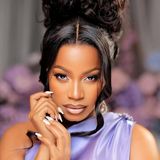
Sheebah built a major solo catalogue after performing in the Obsessions. Her dance-centred stage identity, collaborations and string of local hits made her a prominent figure in contemporary Ugandan pop. Selected works: Nkwatako; Ice Cream; Wankona; Nakyuka.
Cindy first reached audiences as a member of Blu*3 and went on to establish a solo career built around dancehall, singing and live performance. Her work helped broaden the space for women in the genre. Selected works: One and Only; Ayokyayokya; Boom Party.
Babirye helped bring Luganda gospel into mainstream Ugandan listening beyond church audiences. Her music became part of worship, family celebrations and public events. Selected works: Beera Nange; Wanjagala; Maama.
Rema developed a strong audience through melodic Luganda love songs and collaborations. Her emotive vocal style connects contemporary radio pop with Uganda's tradition of singer-led ballads. Selected works: Oli Wange; Gutujja; Siri Muyembe; Clear.
Namakula became a familiar performer in the transition toward locally produced contemporary pop. Her incorporation of Ugandan dance and musical idioms helped establish a recognisable local sound. Selected works: Ekimbeewo; Tonkutula; Sambagala (with Bebe Cool).
A prominent Eagles Production singer and later band leader, Lutaaya made relationship songs a core part of Uganda's commercial band-music era. His work belongs alongside the other major voices of that scene. Selected works: Omwoyo Gwa Mukwano; Oli Miss.
Known for tender Luganda melodies that have remained in the repertoire of Ugandan family occasions and live bands. Selected works: Ebisanyi; Onyambanga.
Built an audience for gospel narrative songs about everyday hardship, faith and family, reaching listeners outside church settings as well. Selected works: Komawo Eka; Mukama Njagala Kumanya; Kani.
Masagazi was among the early musicians who brought locally written Luganda songs into recorded popular music. His work is important to understanding Uganda's pre-independence and early post-independence music industry. Selected works: Atanawa Musolo; Kolazizo.
Ssebadduka was a foundational figure in recorded narrative guitar music. His use of local history and everyday social themes helped establish conventions developed by later generations of Kadongo Kamu singers. Selected works: Omukazi Malaya; Oluwala Olunyunyunsi.
Helped bring Luganda rap into mainstream radio and gave a generation of Ugandan rappers a model for writing in local languages. Selected works: Kikankane; Soda Jinjale; Salooni.
One of the urban performers who established a local dancehall audience before the Big Three emerged. Selected works: Nakonkona; Sirika Baby (with Menton Summer); Nsonyiwa.
A founding Afrigo Band musician, vocalist and saxophonist whose band leadership and live performance have played a formative role in Uganda's music scene.
A veteran storyteller whose stage performances helped establish the guitar-led genre before the cassette generation. He received the 2010 PAM lifetime achievement honour.
His humorous vernacular delivery and major late-1990s hit helped show the commercial potential of locally produced urban music. Selected works: Noonya Money; Sija Kuva Kampala.
Ndagire combined music, acting and theatre, bringing expressive Luganda songs into the same entertainment world as local drama. Her work is especially relevant to the history of female singer-performers. Selected works: Byona Twala; Maama.
King Saha built a local audience with melodic vocals and songs of love and everyday experience. His rise from the Leone Island orbit illustrates the continuing influence of Uganda's earlier pop generation. Selected works: Mulirwana; Biri Biri; Zakayo.
Navio emerged from Klear Kut and helped maintain a visible place for Ugandan hip-hop on mainstream radio and concert stages. His career spans English-language rap and songs incorporating local styles. Selected works: Njogereza; Nawuliranga; Rukus (with Peter Miles).
His gospel fused Ugandan languages and rhythms with contemporary production. His hit Wipolo made him a national star and earned recognition at the Kora awards. Selected works: Wipolo; Take Me to Calvary.
A singer and songwriter of the pre-digital era whose romantic songs remain part of Uganda's oldies tradition. Selected works: Ekimuli Ekya Looza; Ebyekubo; Tawaza Yange.
Rose through the Eagles Production scene before establishing his own Kream Productions band, sustaining the local tradition of romantic Luganda songs. Selected works: Kitooke; Ekitangala.
Kusasira became a recognised figure in the Eagles Production and Golden Band traditions. Her vocal delivery and songs about personal relationships appealed to Uganda's established band-music audiences. Selected works: Enkola Ya Taxi; Si Dogo.
The trio of Cindy Sanyu, Jackie Chandiru and Lilian Mbabazi became a major girl group through the Popstars talent competition. This entry covers the group's recordings rather than its members' solo work. Selected works: Hitaji; Frisky; Kankyakyankye; Burrn.
Magoola brought Lusoga-language music to national audiences through Afrigo Band and her wider musical work. This entry recognises her individual contribution to local-language performance, not a separate claim to the band's catalogue. Selected works: Obangaina (Afrigo Band).
A member of the Mayanja musical family who built his own national audience through dance-oriented collaborations and melodic solo recordings. Selected works: Twatoba; Malamu; Mpa Love.
His breakthrough mixed conversational Luganda and humour with danceable local production, helping popularise the kidandali era. Selected works: Mazongoto (Double Bed); Amelia; Abita Ebikutte.
With her traditional music and dance ensemble, Nandujja helped maintain a commercial and public platform for indigenous Ganda performance. Her contribution is not best measured by streaming-era pop singles.
Mukabya contributed to the generation of narrative guitar performers whose music was sustained by local audiences, live circuits and recorded cassettes.
Her dance-oriented music and energetic videos made her a prominent female pop performer in the late 2000s. Selected works: Ani Akumanyi; Anfuukula; Kiva Kuki.
Kasozi belonged to the generation that carried Kadongo Kamu to wider audiences through tapes and live performances. His career helps explain the depth of the genre beyond its three most frequently cited stars.
Luyima is associated with the dramatic storytelling tradition of Kadongo Kamu, where singers used character, dialogue and humour to bring social situations to life. Selected works: Ssepiriya (ensemble performance).
Kisakye became known for candid songs about relationships and social life. Her direct language and memorable melodies placed her among the notable female voices of the local band and pop scene. Selected works: Gyenvudde; Kandahar.

Kirya developed a singer-songwriter style combining acoustic instrumentation, soul and local melodic elements. His work widened the range of live contemporary music available to Ugandan audiences. Selected works: Boda Boda; Misubbaawa; The Book of Kirya.
Kyagulanyi contributed to Ugandan music both as a performer and as a songwriter for other singers. His career illustrates how composition and behind-the-scenes work can shape a country's popular catalogue. Selected works: Olunaku Luno; Tondeka.
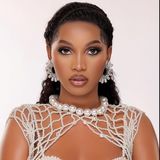
Spice Diana developed a mainstream career through collaborations, dance-pop and local radio hits. Her work with regional artists has also helped connect different Ugandan language markets. Selected works: Onsanula; Anti Kale; Omusheshe (with Ray G).

Fik Fameica developed a youthful audience with Luganda rap and dance-oriented hooks, bringing hip-hop delivery into mainstream Ugandan pop. His career represents the more recent generation of the ballot. Selected works: Kutama; Byenyenya; Buligita.

A major live performer and recording artist whose strong vocal tone and dance-pop songs attracted substantial local radio audiences. Selected works: Musawo; Magic; Matala.
An established performer of early Ugandan dancehall, with a catalogue that helped connect local club music to wider East African sounds. Selected works: One Time (with Menshan); Owange.
A singer and guitarist whose emotional Luganda ballads are associated with the 2000s and early 2010s wave of Ugandan R&B. Selected works: Nkumira Omukwano; Wampisa; Oxygen.
Known for his distinctive voice and romantic recordings, Jamal was among the singers who developed Uganda's appetite for zouk-influenced ballads. Selected works: Anavawa; Abakyala; Oba Wuwo.
Her vocal work with Blu*3 and later solo live shows and ballads gave her a distinctive place in Ugandan R&B. Selected works: Vitamin; Danger; Memories (with A Pass).
After Blu*3, Chandiru established her own dance-pop identity and released songs that featured prominently in the early 2010s. Selected works: Gold Digger; Agassi.
A familiar voice in Ugandan band music whose songs about relationships and family were popular before digital distribution. Selected works: Yiga Okwagala.
An early Kampala dancehall performer whose work with Orlandoh is part of the history of Uganda's urban sound before its mainstream breakthrough. Selected works: Sirika Baby (with Emperor Orlandoh).
A singer from the Eagles Production era, Mayanja built a reputation for emotive Luganda songs and the theatrical presentation associated with local band shows. Selected works: Equalizer; Alintwala.
A singer and guitarist whose acoustic and dance-pop recordings became staples of the 2010s local scene. Selected works: Gyobera; Sembera; Love Letter (with Bebe Cool).
Her rhythmic delivery and danceable catalogue have sustained a strong place on Ugandan radio and in East African collaborations. Selected works: Chips Na Ketchup; Malaika; Bailando.
His combination of dancehall rhythm, melodic hooks and witty songwriting helped shape Uganda's contemporary urban pop. Selected works: Tuli Kubigere; Wuuyo; Mariana.
His playful storytelling and memorable themes made him a distinctive figure in the local popular-music boom. Selected works: Swimming Pool; Farm; Best Man.
Her songs about courtship, marriage and domestic life connect the Eagles Production tradition with Uganda's introduction and wedding celebrations. Selected works: Kuzala Kujagana; Nkuweeki.
A major live-band institution that brought several Ugandan singers together in a commercially successful concert circuit. This entry covers its collective contribution, not the solo credits of individual members. Selected works: Eagles Production live shows and collective performances.
The three singers Bobby Lash, Delivad Julio and Mr Lee developed a distinctive group identity around harmonised melodies and romantic pop. Selected works: Tokigeza; Gutamiza (with Goodlyfe); Munda Awo.
Bosmic Otim built a substantial audience in northern Uganda, receiving regional music recognition. His inclusion acknowledges musical influence within Acholi-speaking communities rather than requiring validation from Kampala alone.
Ray G built his career with a western Ugandan audience and took Runyankole pop to major Kampala stages. His success highlights the importance of Uganda's regional music industries and language communities. Selected works: Amarari; Omusheshe (with Spice Diana); Rukundo.
Lady Mariam's breakthrough demonstrated how a song associated with western Uganda could reach mainstream audiences nationwide. Her work deserves recognition in a history that is not confined to Luganda-language performers. Selected works: Tindatine.
Mega Dee contributed to the growth of Uganda's early commercial dancehall and pop scene. His career is also a reminder of the influence of artists associated with eastern Uganda. Selected works: Woman of My Life; Ina Dance.
An Acholi-rooted musician whose career in exile brought Ugandan folk sounds to audiences outside the country. His distinctive use of language and acoustic arrangements is part of Uganda’s musical heritage. Selected works: Exile; Land of Anaka; Makambo.
His work as both a recording artist and a producer helped bridge the early urban pop scene and the recording industry that followed. Selected works: Mwana Gwe; Feva; Osobola Otya.
A hitmaker from the generation that established locally produced R&B on Kampala radio, with memorable love songs and collaborations. Selected works: Brenda; Silikyusa; Sirinayo Mulala (with Juliana).
A prominent early Ugandan R&B singer and dancer, he brought polished vocal arrangements and choreography into local music videos. Selected works: Yooyo; Senorita; Nalulungi.
Their combination of melodic singing and ragga helped shape early Ugandan urban pop. Their joint catalogue is distinct from Vampino's later solo releases and Benon's production career. Selected works: Nsazeewo; Mumulete.
A female voice of the commercial band-music generation whose relationship songs belong to the radio and concert repertoire of that era. Selected works: Fasi Fasi; Ndi Kulunya.
His melodic love songs made him a recognisable artist in the local band-music era. His recordings continued circulating after his death. Selected works: Gear Lever; Ssemanda.
A versatile performer associated with the Eagles and Golden Production scenes, known for her expressive local-language love songs. Selected works: Nkwagala; Munnange.
Her run of secular pop recordings established her in Uganda's late-2000s and 2010s music scene before her shift toward gospel. Selected works: Ekitone; Nina Omwami; Fitting.
Known for using wit and everyday social observations in narrative songs, he helped keep Kadongo Kamu commercially visible in the modern period. Selected works: Gundi Okuze; Ndabada; Eggali Ekozeeko.
A long-serving Afrigo vocalist whose individual stage presence and vocal contribution have helped sustain live-band music across generations. This nomination recognises her musicianship, separately from Afrigo's collective catalogue.
Known for melodic romantic songs and collaborations, Evans helped bring band-influenced songwriting into modern pop radio. Selected works: Rihanna; Nantongo; Linda.
A singer and studio operator whose melodic Luganda recordings and production work connect the live-band era to the modern pop industry. Selected works: Tukigale; Kalibatanya.
A vocalist associated with Firebase Crew whose distinctive harmonies and collaborations with Bobi Wine are part of Uganda's urban music history. Selected works: Singa (with Bobi Wine); Time Bomb (with Bobi Wine).
A Busoga singer who brought Lusoga and melodic R&B into the national pop conversation, rather than relying solely on Luganda material. Selected works: Nziranago; Mubbi Bubbi; Anjagala.
A singer of romantic and dance-oriented songs who became a regular presence on Uganda's commercial radio and concert circuit. Selected works: Same Way (with Geosteady); You and Me (with Daddy Andre); Masuuka.
His low vocal register and catchy phrases made him a breakout figure in the late-2010s generation of Ugandan pop. Selected works: Tukwatagane; Makanika; Do Dat.
A singer, songwriter and producer whose recording and production work helped shape the contemporary local pop sound. Selected works: Sikikukweka; Tugende Mu Church; You and Me (with Lydia Jazmine).
A rapper whose blend of Luganda street language, dance rhythms and blunt storytelling broadened the commercial reach of local rap. Selected works: Musomesa; Tusimbudde.
An artist whose slang, delivery and club hits were important to the late-2000s urban music wave. Selected works: Bwekiri; Mukyamu; Ability (with Goodlyfe).
His conversational Luganda, humour and catchy phrases helped make local rap accessible to a broad pop audience. Selected works: Byayanga; Sejusa; Sente Zange.
His fast, energetic delivery and club-oriented hooks made him a recognisable force in the modern Ugandan dancehall scene. Selected works: Pomini; Tulimajje; Guluma Nasomye.
Helped keep melodic reggae and lovers-rock influences present in Uganda's 2000s mainstream music scene. Selected works: Waddawa; Aneganye.
Her romantic Luganda ballad earned the 2010 PAM song of the year, reflecting the reach of melodic local pop beyond dancehall. Selected works: Omukwano Gunyuma.
Her distinctive voice and romantic Luganda songs became part of the local pop landscape of the mid-2000s. Selected works: Kambere Nawe; U Got My Heart.
A singer with live-band experience whose melodic crossover hits earned national radio attention and PAM recognition. Selected works: Katikitiki.
A prominent woman in Ugandan rap whose English-language delivery and East African collaborations expanded the visibility of the genre. Selected works: How We Do It; Make You Dance.
A performer of the guitar-led storytelling tradition whose recordings engage local social life and Luganda humour. Selected works: Balina Choice.
A singer of the 2000s local R&B era whose melodic approach stood apart from the dancehall-led club sound. Selected works: Ginkeese.
His energetic singing and distinctive vocal approach produced major local club and radio hits during the 2000s. Selected works: Manzi Wanani; Ensi Yaleeta.

Azawi represents a newer generation of Ugandan singers who combine songwriting with contemporary African pop production. Her work achieved local recognition in the streaming era; her long-term legacy is still developing. Selected works: Quinamino; My Year; Slow Dancing; African Music.
A recording artist and producer associated with the growth of Uganda's studio-led pop industry and early Goodlyfe recordings. Selected works: Nakudata (with Radio & Weasel); Omunaku.
A dancehall singer whose energetic performance and club songs became a recognisable part of the contemporary Ugandan music circuit. Selected works: Balance; Yaka; Chekecha (with Vinka and Winnie Nwagi).
A singer who found a national audience with romantic Luganda pop and band-influenced vocal delivery. Selected works: Bankuza; Byabangi.
Her vocal delivery and dance-oriented recordings have earned her a place on Uganda's contemporary radio and live music circuit. Selected works: Mekete; Billboard Kipande.
Baraka has attracted a new generation of listeners through melodic songwriting and contemporary East African pop. His career is comparatively recent, so voters can distinguish emerging promise from a decades-long legacy. Selected works: Nana; Dalilah.
His melodic Luganda songs helped establish a strong audience for contemporary romantic pop and collaborations. Selected works: Owooma (with Charly & Nina); Same Way (with Lydia Jazmine).
He built his local following through melodic pop and collaborations, gaining mainstream attention during the late 2010s. Selected works: Farmer; Munakampala; Superman.
The northern Uganda-raised artist reached the national dancehall market with catchy club recordings and received PAM ragga recognition. Selected works: Emikono Wagulu; My Miss.
Part of the generation that took vernacular rap into national radio rotation, mixing storytelling with street-language humour. Selected works: Nani Wuyo; Pakalast.
His accessible gospel songs combine contemporary African pop with worship and have reached youth audiences beyond traditional choirs. Selected works: Turn the Replay; Chikibombe; Esaala.
An established gospel vocalist and choir leader whose ministry predates the commercial gospel boom of the 2000s.
A Luganda gospel singer whose work became familiar within church and family listening, part of the generation that expanded recorded worship music.
A pioneering Ugandan gospel vocal group that brought contemporary arrangements and harmonised singing to a younger audience. Selected works: Malibongwe; Heaven.
The saxophonist built a local audience for smooth jazz through radio, live performances and recordings in a market dominated by vocal pop. Selected works: Sinza; My Joy.
His use of Rutooro and local folk idioms earned national cultural music recognition, representing western Uganda beyond the Kampala industry. Selected works: Tooro K'okasemera.
An urban gospel artist whose dancehall approach made Christian messages accessible within Uganda's popular music scene. Selected works: Ganja Man; Igwe; Nyinimu.
A pioneering Kampala rap group whose early recordings helped establish a local audience for English-language hip-hop. Members with significant solo careers are judged separately for their solo work. Selected works: All I Wanna Know (with Juliana); Super Star.
A member of the Bataka movement and an advocate for locally rooted hip-hop, known for nurturing the culture beyond commercial songs.
A veteran of Uganda's hip-hop movement recognised at the 2006 PAM awards for both rap artistry and a single.
Known for Luganda wordplay and competitive rap, he has helped maintain a national audience for vernacular hip-hop. Selected works: Who Is Who; Yes No; Ebyo Byoli.
A drummer and vocalist who moved into contemporary pop recording, representing a newer generation of Ugandan musicians. Selected works: Nothing; Dawa; Tippy Toe.
A rapper whose catalogue culminated in a cross-border dance hit, demonstrating the regional reach of Uganda's urban music. Selected works: Parte After Parte; Straka Money.
A recognizable performer of the early local club-music era, especially through his signature microphone-themed hit and collaboration with Bobi Wine. Selected works: Mic Ya Ziggy Dee; Sunda (with Bobi Wine).
A singer and producer whose work with Kadongo Kamu and band artists helped define a locally recognisable studio sound.
His Luganda songwriting and acoustic live performances have provided a distinctive alternative to club-led pop production. Selected works: Naki; Nkwegomba.
Her understated singing and introspective songwriting established a distinct place for soul and acoustic pop in Uganda's commercial music scene. Selected works: Ninga Omuloge; Soka Lami; Ndi.
An ensemble bringing the music, instruments and dance traditions of several Ugandan communities onto the stage, important to cultural education and public performance.
An early Ankole singer who incorporated several local languages into guitar-led storytelling, showing that this musical tradition extended beyond Buganda. Selected works: Irida.
An early female guitarist and bandleader whose career dates to the independence era and whose repertoire included Runyoro-language material. Selected works: Eriso Lyo Mwana; Mukama Rukiddi Akanoba.
An early figure in the genre whose guitar songs reached audiences in the years following independence. Selected works: Ssekono Tawanyizika; Kyusa Kumpisa.
A musician from the generations that developed locally produced guitar music and band performance before Uganda's modern pop industry.
A vocalist associated with Iro Stars whose recordings reflect the prominence of female singers in local band music before the digital era. Selected works: Walumbe Atwala Taza.
The composer of Uganda's national anthem, an important contribution to the country's civic musical heritage regardless of commercial popularity. Selected works: Oh Uganda, Land of Beauty.
The band was part of the local entertainment world that bridged theatre, live shows and studio pop before the industry became dominated by solo artists. Selected works: Makanika Wange; Nsonyiwa Faaza (with Titie).
A performance group whose choreography and pop recordings were prominent in Uganda's 2000s entertainment scene, and whose members later developed independent careers. Selected works: Dance With Me; Begoonza.
A long-established western Ugandan performer whose repertoire represents the regional music scene that developed outside Luganda pop.
An early regional recording artist associated with the growth of western Uganda's vernacular popular music market. Selected works: Western Uganda reggae and pop catalogue.
A western Uganda-born singer whose romantic R&B songs crossed into national pop radio, helping connect regional talent to the mainstream industry. Selected works: Beera Nange; Swagga; Nsubiza.
An Acholi-region performer whose lockdown-era breakout brought northern Uganda's contemporary dance sound into nationwide discussion. Selected works: Tumbiza Sound.
An established name on the northern music and awards circuit, bringing regional dance-oriented recordings to Luo-speaking audiences. Selected works: Northern Uganda dancehall catalogue.
A Gulu music-scene artist whose appearances in regional award programmes reflect the growth of contemporary Luo-language pop. Selected works: Limpe; Kunu (with Blamo).
A rapper who uses Luo and English in a regional hip-hop scene with its own award and performance circuit. Selected works: Last King of Payira.
A Teso performer recognised in national music-award categories for both eastern-region and traditional music, illustrating the reach of Ateso popular music. Selected works: Epucit.
A performer who integrates Kiga-language traditions and contemporary arrangements, earning recognition in the western regional music category. Selected works: Enzamba Egamba.
A Runyankole recording artist who has developed a western Uganda audience and worked to bring the region's sound onto national stages.
An Alur-rooted singer whose work draws on northern Ugandan musical traditions and contributes a different language and cultural perspective to contemporary live music.
A flautist and multi-instrumentalist whose work with local instruments preserves and reinterprets Ugandan musical traditions in recordings and concerts. Selected works: Stars to Share; Tunula Eno.
A multi-instrumentalist whose arrangements of Ugandan and other African instruments demonstrate the breadth of the country's musicianship beyond vocal pop.
A bassist, composer and live-music organiser whose work helped sustain Uganda's jazz performance circuit.
No entries from this region on this list yet.
About this ranking
Uganda’s music history cannot be told through international awards alone. Before the modern pop industry, musicians such as Christopher Ssebadduka, Fred Masagazi and Elly Wamala were recording local stories and melodies. Kadongo Kamu later became a major part of the country’s listening culture through performers such as Paulo Kafeero, Herman Basudde and Fred Ssebatta, while Afrigo Band, Philly Bongoley Lutaaya and the theatre and band scene brought music to families and live audiences across generations.
The late 1990s and 2000s saw a new generation led by the famous Big Three — Jose Chameleone, Bebe Cool and Bobi Wine — alongside Juliana Kanyomozi, Goodlyfe and other major acts. Alongside them, band singers, gospel artists, reggae performers and musicians working outside Kampala have built their own lasting audiences. Contemporary stars deserve a place in the discussion too, without assuming that recent streaming success automatically outweighs an older musician’s contribution.
When voting, consider the quality and depth of the catalogue, cultural influence in Uganda, originality, longevity, live performance and the impact on subsequent musicians. Artists who sing in different Ugandan languages or built their careers in different eras should be judged in their own context. International success is relevant, but is not the only measure. Solo performers and established acts are eligible. The community can suggest missing artists.
Alone and Exile put two Ugandan voices into very different surroundings. On Alone, Philly Lutaaya can make a direct appeal primarily through the way he places a tune. The label’s account of Geoffrey Oryema lets listeners follow Exile’s sparse sound into the context in which it was made.
In more recent Ugandan pop, the delivery can make the rhythm as much as the instruments do. Jose Chameleone and Bebe Cool each offer choices about where to put an accented word. With Juliana Kanyomozi and Sheebah Karungi, it is worth following the quieter parts of a verse before the arrangement opens out.
There is room on the ballot for very different ambitions. The Book of Kirya develops a singer’s detail over a set of arrangements. Buligita gives Fik Fameica a smaller canvas on which a rhythmic decision can shape a whole verse. Hear both with the same attention to what an artist does with the space available.
Think someone is missing from this list?
Suggest an entry and we'll review it for inclusion.