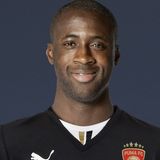

Salah shared the 2018–19 Premier League Golden Boot on 22 goals, then converted Liverpool’s opening penalty in the Champions League final.

Mané shared the 2018–19 league Golden Boot and started the Champions League final. Compare his link play and movement with the decade’s chief finishers.

Mahrez earned the PFA players’ award with Leicester in 2015–16, a peak built around his influence on a club season with an entirely different set of expectations.

Aubameyang scored 22 league goals for Arsenal in 2018–19 to share the Golden Boot with Salah and Mané, despite playing for a different team.

Gyan’s extra-time goal against the United States took Ghana to its first men’s World Cup quarter-final in 2010 and anchors his case for the decade.

Drogba headed Chelsea level against Bayern and struck the deciding penalty in Munich in 2012, turning the final twice in the space of one match.

Eto’o’s 2010 European campaign with Inter makes the case for his decade even without counting his Barcelona years. Consider what he offered a title-winning side beyond finishing.

Benatia entered the 2018 World Cup as a Juventus player and started for Morocco against Iran. His case asks voters to give centre-back responsibility its due.
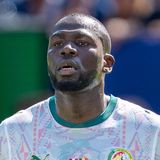
Koulibaly established himself at Napoli during the decade and helped Senegal reach the 2019 AFCON final, which he missed through suspension.
Mikel won the Africa Cup of Nations with Nigeria in 2013 and returned to the squad in 2019. His case rests on midfield control and tournament experience.

His 2012 award for players based in Africa recognises his work with Al Ahly and brings club football on the continent directly into the debate.
The Zambian midfielder’s years with TP Mazembe include continental success, giving voters a case built in African club football.

The Nigerian goalkeeper combined AFCON success in 2013 with a club career that included Lille. His position offers a different way to weigh influence on a team.
No entries from this region on this list yet.
About this ranking
Asamoah Gyan put Ghana into the quarter-finals of the 2010 World Cup with an extra-time winner against the United States. Two years later, Didier Drogba equalised late against Bayern Munich and converted the decisive shoot-out penalty in the Champions League final. They are two very different cases for a striker: Gyan’s goal came at the centre of his country’s breakthrough, while Drogba’s decided the biggest night of Chelsea’s European season.
In 2013–14, Yaya Touré scored 20 league goals from midfield for Manchester City. By the end of the decade, another remarkable comparison was available: Mohamed Salah, Sadio Mané and Pierre-Emerick Aubameyang all finished the 2018–19 Premier League season on 22 goals. Salah put Liverpool ahead in that season’s Champions League final, with Mané also starting. Riyad Mahrez’s player-of-the-year award with Leicester offers a different way into the debate: how much did a player change what his team could achieve?
Defenders and holding midfielders need a different yardstick. Consider Kalidou Koulibaly’s work at Napoli, Medhi Benatia’s responsibilities for Morocco and John Obi Mikel’s midfield contribution to Nigeria. Judge each player within the 2010–19 window and weigh national-team performances, sustained club form and peak seasons together. The vote leaves room for those roles as well as for goalscorers.
Think someone is missing from this list?
Suggest an entry and we'll review it for inclusion.