
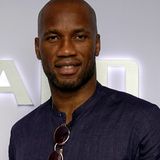
His equaliser and winning shoot-out kick gave Chelsea two decisive moments in the 2012 final. Weigh them within his longer scoring record.
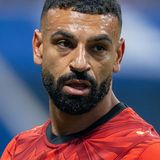
Salah’s European record gives voters repeated chances to compare his right-sided movement with the finishing that tends to draw more attention.
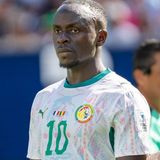
Mané belongs in the comparison for his Liverpool campaigns. The runs he made to create a chance can matter independently of his team’s results.
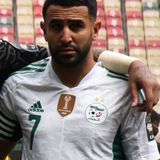
Mahrez’s work as part of Manchester City’s European campaigns gives a wide player to assess for chance creation as well as goals.
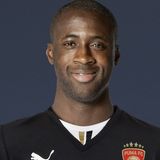
For Touré, the 2009 final supplies a place to watch his defensive work at Barcelona, a different role from the one most associated with him.
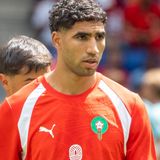
Hakimi opened the scoring against Inter in the 2025 final. His position gives the ballot a way to judge repeated attacking work from a full-back.

UEFA’s African scoring record gives Aubameyang a sustained competition case. Judge how reliably his pace brought chances in main-stage games.

Essien’s Chelsea run includes the 2009 match against Barcelona. Give his midfield coverage and power the same scrutiny as the occasions when he scored.
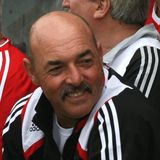
His penalty shoot-out performance helped Liverpool win the 1984 European Cup. Consider how his anticipation and positioning mattered before penalties too.

Osimhen’s record gives a forward case based on his movement behind a back line and the frequency with which it created finishes.
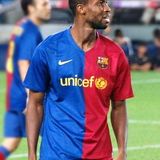
Keita’s Barcelona European campaign gives voters midfield evidence at the same level as the forwards on this ballot. Judge his work in and out of possession.
No entries from this region on this list yet.
About this ranking
Samuel Eto’o’s goals in two Barcelona finals give voters the chance to compare how he found a finish on the biggest night. Didier Drogba’s equaliser in 2012 asks a different question about the work a forward does when his team is running out of time.
A goalkeeper or full-back supplies different evidence. Grobbelaar’s 1984 final went as far as a shoot-out. Hakimi’s opening goal in the 2025 final lets a wide defender enter the comparison through an attacking moment. Follow sustained performances as well as the moments seen most often.
Separate the eras while keeping the competition in view. Bruce Grobbelaar’s European Cup final took place before the tournament had its current name. UEFA’s main-stage records offer another way to compare Aubameyang, Salah and Osimhen. Do not assume match or scoring totals in a source include the same rounds without checking their scope.
Eto’o’s 2006 and 2009 finals put two finishes in different Barcelona teams at the centre of his case. For Mali’s Seydou Keita, look at the work of a midfielder playing alongside established attackers. Hakimi’s opening goal in the 2025 final offers a useful reminder that full-backs can also change a European final in the other team’s penalty area.
Think someone is missing from this list?
Suggest an entry and we'll review it for inclusion.