
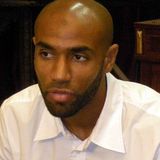
Frédéric Kanouté spent seven seasons at Sevilla and became one of the club's defining forwards. His hold-up play, combination with other attackers and league scoring belong at the centre of the comparison, separate from Sevilla's European cup runs.
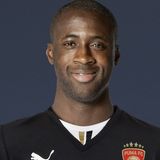
Yaya Touré played for Barcelona from 2007 to 2010, contributing as a powerful central and holding midfielder. Assess his La Liga work in that role, not the more attacking peak he reached after leaving Spain.

Seydou Keita's four Barcelona seasons produced three league titles and 189 official appearances in all competitions. His case rests on tactical reliability, late runs and the ability to contribute without needing the side built around him.
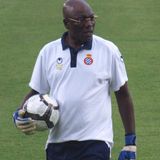
Thomas N'Kono made 240 Espanyol appearances across eight years and remained the club's record appearance-maker among goalkeepers. Compare his command, shot-stopping and durability within the demands of his era.
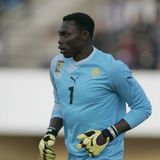
Carlos Kameni followed N'Kono at Espanyol, making 228 appearances and setting a club run of 498 minutes without conceding. His later Málaga work extends a long La Liga record that should be judged across both clubs.
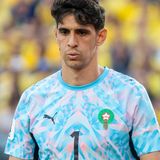
Yassine Bounou reached 100 Sevilla appearances with 66 of them in La Liga and became a decisive presence in goal. Judge positioning, distribution and consistency in league matches rather than allowing cup performances to settle the vote.

Youssef En-Nesyri left Sevilla after 144 La Liga appearances for the club and 73 goals in all competitions. His Spanish record also includes Málaga and Leganés, giving voters several team contexts in which to assess his running and penalty-area work.
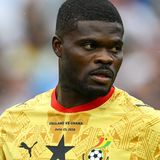
Thomas Partey came through Atlético Madrid's system and reached 100 first-team appearances, including 64 in La Liga by August 2018. Compare his ball-winning, press resistance and progression within Atlético's demanding midfield structure.
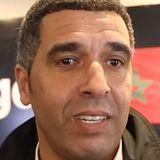
Noureddine Naybet was a central figure in Deportivo de La Coruña's strongest period, including the league-winning squad and subsequent title challenges. Judge defensive reading, duels and continuity across his eight Spanish seasons.

Pierre-Emerick Aubameyang's Barcelona spell was brief but productive: 11 league goals in the second half of 2021–22. Reward the immediate impact if it merits it, while weighing the much shorter sample against decade-long La Liga careers.
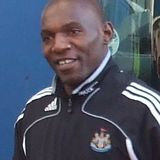
Geremi's Real Madrid years included league and European honours, with his versatility used in defence and midfield. Keep the vote on his Spanish contribution and role, rather than the larger reputation formed across several leagues.
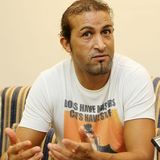
Mustapha Hadji appeared for Deportivo de La Coruña and Espanyol before moving to England. His La Liga case is a narrower one, so assess the creativity and attacking work visible in those Spanish spells without importing his international peak.
Larbi Ben Barek was the creative leader of Atlético Madrid's 'Crystal Forward Line', scoring 61 league goals and helping the club win consecutive titles in 1949–50 and 1950–51. His era requires contextual judgement, not dismissal for lack of modern footage.
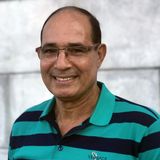
Badou Zaki spent seven seasons with Mallorca and made almost 200 official appearances, becoming one of the club's emblematic goalkeepers. Compare his authority and consistency in a less dominant side with keepers who had stronger teams around them.
Finidi George played 130 league matches in four Real Betis seasons, bringing pace, width, goals and invention from the right. His later Mallorca appearances add to a Spanish record that should be judged beyond memories of his Ajax career.
Jacques Songo'o was Deportivo de La Coruña's goalkeeper through a sustained period near the top of La Liga and is listed among the club's legendary players. Judge his shot-stopping and command within the Super Dépor era across full seasons.
Mahamadou Diarra anchored Real Madrid's midfield during consecutive league-title seasons. His value lies in positioning, ball recovery and enabling more expressive teammates, contributions that raw goals and assists will not capture.
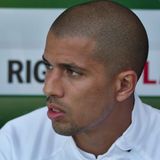
Sofiane Feghouli made more than 200 official appearances for Valencia after returning from loan, providing direct running and goals from wide and midfield positions. Focus on the consistency of that six-season spell.
Ikechukwu Uche accumulated a twelve-year Spanish league career across several clubs and remained a productive striker for Villarreal. Judge adaptability, movement and repeated league contribution rather than a single peak season.
Salif Keita became Valencia's first African player after arriving as the reigning African Footballer of the Year. His 1970s spell is historically important, but voters should still assess the football he produced in Spain rather than the award that preceded it.
Samuel Chukwueze passed 100 La Liga appearances with Villarreal, using acceleration and close control to threaten from the right. Compare his chance creation and end product across seasons, not only the most spectacular dribbles.
Yacine Brahimi's Granada seasons supplied ball-carrying and one-against-one creativity in a side often working without territorial dominance. Assess how consistently those skills changed league matches before his move to Porto.
Mohamed 'Momo' Sissoko was an important midfield component of Valencia's 2003–05 trophy-winning side. Judge the athletic coverage and disruption he supplied in league play, while keeping European and cup honours as related context rather than substitute evidence.
No entries from this region on this list yet.
About this ranking
La Liga has hosted African players in every kind of role, from title-winning forwards and midfielders to goalkeepers carrying heavy responsibility for clubs outside the traditional giants. That makes a single statistical test misleading. Goals matter greatly for Samuel Eto'o, Frédéric Kanouté and Youssef En-Nesyri, but the same measure cannot capture Thomas N'Kono, Noureddine Naybet or Mahamadou Diarra. Start with the job each player was asked to do, then compare quality and duration within that role.
The longest records deserve close attention. Eto'o produced major bodies of league work for Mallorca and Barcelona; Kanouté became central to Sevilla; N'Kono and Carlos Kameni each spent years in Espanyol's goal; Naybet and Jacques Songo'o were part of Deportivo de La Coruña's strongest era. Finidi George, Sofiane Feghouli and Ikechukwu Uche also built substantial Spanish careers away from the two largest clubs. Longevity is not an automatic verdict, but it shows whether performance survived tactical changes, injuries and different team cycles.
Team success needs careful handling. Yaya Touré and Seydou Keita contributed to powerful Barcelona sides in different midfield roles. Geremi and Mahamadou Diarra played within title-winning Real Madrid teams, while Thomas Partey developed into an important Atlético midfielder. Their medals provide context, but voters should identify the contribution: defensive cover, progression, pressing, late runs or versatility. Larbi Ben Barek's leading role in Atlético's consecutive league titles belongs in the history even though his matches come from a very different era.
Goalkeepers require their own comparison. N'Kono, Kameni, Badou Zaki, Songo'o and Yassine Bounou worked in different defensive structures and faced different levels of pressure. Clean sheets help, but command, distribution, reliability and longevity matter too. Shorter attacking spells, such as Pierre-Emerick Aubameyang's productive half-season at Barcelona, can still enter the debate if voters weigh peak impact against a much smaller sample. Use league work first, state the position and era being valued, and let the vote decide rather than reputation earned elsewhere.
Think someone is missing from this list?
Suggest an entry and we'll review it for inclusion.