Ebi Te Yie is a place to hear a story advance over a band that lets the words set the emphasis.
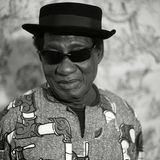
Love & Death gives Taylor the space to build a long arrangement in which the guitar and horns have distinct jobs.
Aben Wo Aha puts the strength of Daddy Lumba’s lead in the opening call. Hear how its answer makes the next return easier to anticipate.
Iron Boy is a starting point for the combination of guitar-led movement and an emphatic lead voice. Focus on what the players do between the sung phrases.
Adiepena gives Kojo Antwi a setting in which a gently weighted Twi melody draws the ear back over a steadily moving backing.
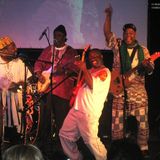
The Osibisa catalogue lets voters compare how percussion, voices and horns create a shared sound that is recognisable without any one singer in front.

On Highest, compare the passages where Sarkodie fills out the metre with the ones where his silence lets the track make the point.

Activate and Epistles of Mama give Stonebwoy two different settings for judging how he moves between a sung line and deejay attack.
On Gringo, the sharper verse rhythm affects how long the notes of the hook seem to hang over the backing.
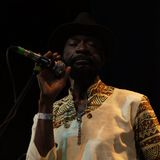
Pat Thomas & Kwashibu Area Band gives the singer an ensemble that can vary the backing while he makes the return of an extended phrase feel assured.

Linda makes a useful entry into Samini’s phrasing before his MOBO recognition. Hear how much singing and rhythmic speech can fit in one lead.
In Da Revolution, listen for how Mugeez’s melody changes the weight of a section after an Omar Sterling verse.
As a trumpeter and founding member of Osibisa, Tontoh has an ensemble case. Hear how the horn parts open space for the band’s shifting rhythmic layers.
Amarfio was a founding member of Osibisa. Follow his drumming as its own contribution to a band with several sources of pulse.
Rockstar gives Kuami Eugene a series of settings for hearing where a highlife-inflected phrase becomes the hook of a pop song.

The Golden Boy offers more than one setting for KiDi’s smooth upper register. Compare the different ways he broadens a verse into a chorus.

On The Villain I Never Was, the rough edge in Black Sherif’s upper notes carries through the change between rap and melody.

Daa Ke Daa puts dramatic weight on the moments before Becca returns to the refrain. Follow how the narrative line sets up each return.

On Janesis, the colour of Efya’s lead changes across a phrase. Hear how much that can alter the feeling of the track without changing its tempo.

His Ghana Music Awards Artiste of the Year win in 2017 gives one measure of the place of gospel in Ghana’s broader music. Use the lead and group singing to make the comparison musical.
No entries from this region on this list yet.
About this ranking
Day by Day is a good way into Ghana’s dance-band highlife. The voice, horns and rhythm section take their turns without losing the pulse. Ebo Taylor’s Love & Death makes another case for how a guitarist and bandleader can place a phrase that gets its strength from the instruments around it.
Osibisa broadens the sound of the ballot again. Mac Tontoh’s trumpet and Sol Amarfio’s drumming belong to the story of how the group moved, while the group’s recording credit lets the listener think about the band as a whole. On Iron Boy, Amakye Dede makes a very different case through the relationship of a lead voice to guitar-led highlife.
Hearing Ghana’s more recent records beside the older ones makes it easier to compare what has changed. Sarkodie can crowd words into a beat and then leave it space to finish a sentence. Efya can change the intensity of a track by changing the colour of a note. The range of this ballot is a reason to compare the music closely.
Think someone is missing from this list?
Suggest an entry and we'll review it for inclusion.