
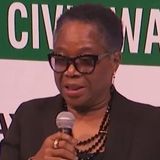
Onyeka Onwenu’s The Worship Project gives this ballot a defined seven-song worship recording. Compare its interpretation and songcraft with her wider catalogue without assuming that every part of that career is gospel.
Nomcebo Zikode’s vocal and songwriting credit on Jerusalema supplies a gospel-rooted crossover case built around a prayer for protection and belonging. Credit Master KG’s composition, performance and production separately.

Rebecca Malope’s career moved decisively into gospel and earned South Africa’s Order of Ikhamanga. Listen for the controlled rise of her lead voice across recordings rather than treating longevity alone as the argument.
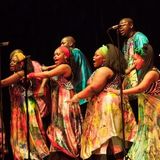
Soweto Gospel Choir has three Grammy wins, including awards for Blessed and Freedom. Its case rests on the collective blend, arrangement and movement between South African gospel, freedom songs and concert performance.
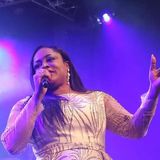
Way Maker gives Sinach a documented songwriting case as well as a lead performance: the Gospel Music Association named it Song of the Year in 2020. Compare her original delivery with the song’s later worship interpretations.

Mercy Chinwo’s label catalogue identifies Excess Love and The Cross: My Gaze as central recordings. Listen to how she controls the increase in vocal force and the pauses that give a worship phrase room to land.

Nathaniel Bassey’s official catalogue includes The Son of God (& Imela) and later live worship releases. His case joins trumpet, lead voice, songwriting and the shaping of an extended congregational performance.

Joe Mettle’s 2017 Ghana Music Awards Artiste of the Year win records gospel’s ability to compete for the country’s overall popular-music prize. The vote should still turn on his singing, writing and live worship work.
Benjamin Dube’s In His Presence series links singing, instrumental work and the direction of a live worship ensemble. His catalogue gives voters a sustained body of South African contemporary gospel to compare.
Willy Paul’s Sitolia with Gloria Muliro documents the gospel work at the start of a career that later crossed into secular pop. Judge that credited gospel catalogue itself and keep Muliro’s shared contribution visible.
Joyous Celebration has built a long series of live South African gospel recordings around choral leads, featured soloists and large-band arrangements. Compare the ensemble decisions across more than one volume.
Daughters of Glorious Jesus bring three-part Ghanaian gospel singing and a catalogue created expressly for ministry. Follow the division of lead, harmony and response rather than reducing the trio to a single voice.
Diana Hamilton’s Adom won Gospel Song and Most Popular Song at the 2021 Ghana Music Awards. Use the recording as a starting point for judging melody, vocal interpretation and the reach of a worship song.
Christina Shusho’s Swahili gospel catalogue includes full-length devotional releases as well as individual worship songs. Compare the clarity of her melodic phrasing and the way repetition serves reflection.
Dunsin Oyekan’s official catalogue runs from Code Red through The Gospel of the Kingdom and later live albums. His case is built on sustained songwriting and the architecture of long-form worship performances.
Tim Godfrey’s Nara, credited with Travis Greene, joins a Nigerian praise lead with a featured international voice. Judge how the call-and-response and ensemble arrangement build the recording, with shared credit intact.
Frank Edwards combines singing, songwriting, production and keyboard-led arrangement in Nigerian contemporary gospel. His official channel supplies a catalogue through which to test that multi-role musical case.
Judith Babirye’s Beera Nange opened a Ugandan gospel catalogue that later grew through albums including Nbooyana. Compare the directness of her Luganda worship writing and the character of the lead vocal.
No entries from this region on this list yet.
About this ranking
African gospel is not a single sound. South African massed choirs, Nigerian contemporary worship, Ghanaian vocal groups, Swahili devotional singing and East African pop-gospel place different demands on performers. Begin with an identifiable recording: hear how a lead enters, how harmony answers, how instruments shape the pace and whether repetition changes the meaning or merely extends the song.
The large ensembles offer one route into the comparison. Soweto Gospel Choir and Joyous Celebration depend on blend, arrangement and the movement between soloist and chorus. Daughters of Glorious Jesus work at a smaller scale, where three voices make the distribution of melody and harmony easier to follow. Rebecca Malope and Benjamin Dube provide long South African catalogues in which the relationship between a commanding lead and supporting singers can be heard across decades.
Songwriting supplies another route. Sinach’s Way Maker, Nathaniel Bassey’s Imela, Diana Hamilton’s Adom and Tim Godfrey’s Nara have identifiable recordings and credits. Mercy Chinwo, Dunsin Oyekan and Frank Edwards show different ways of building Nigerian contemporary worship, while Christina Shusho and Judith Babirye keep Swahili and Luganda expression central to the ballot. The point is not to reward the largest congregation; it is to hear what the artist contributes to the song and its performance.
Some careers cross the border between gospel and other popular music. Ebenezer Obey and Onyeka Onwenu have documented gospel projects within wider catalogues. Nomcebo Zikode’s Jerusalema is a gospel-rooted dance recording with shared authorship, while Willy Paul’s early gospel work precedes a later secular-pop career. Judge only the eligible music, keep collaborators visible and vote for the body of gospel work you would return to.
Think someone is missing from this list?
Suggest an entry and we'll review it for inclusion.