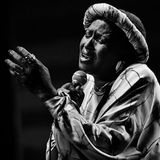
Compare the direct pop vocal on Weekend Special with the way Fassie carries a chorus in Vulindlela. The two songs show how her voice remained identifiable while the production around it changed.
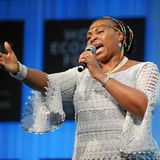
Umqombothi lets you hear how Chaka Chaka keeps a vocal hook clear as the accompaniment builds. The connection between the lead and its responses is central to the song’s momentum.
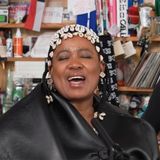
Zabalaza gives listeners a full project in which to examine Mazwai’s choices about phrasing and song form. Hear how the tone of her voice changes when an arrangement draws closer to a traditional rhythm.

Loliwe gives Zahara room for the voice and guitar to answer one another. Assess how the plain approach to the early verses makes later changes in the delivery register.
Dream lets listeners assess Mathosa’s solo phrasing and attack. Her Boom Shaka period gives a related case for how she contributed within a group arrangement.

On Nkarabe, Malope builds her lead through phrases that remain clear as she increases the force of her voice. The gospel catalogue offers more than one recording in which to judge that controlled rise.
Compare Zikode’s sustained lead on Jerusalema with the space her voice occupies in Bayethe with Wouter Kellerman and Zakes Bantwini. The two settings give listeners different ways to hear her control of tone.

Tyla places a light vocal over a syncopated beat on Water. Listen to which syllables she delays and which ones she puts right on the pulse.

Makhadzi’s Kokovha brings short vocal calls into arrangements that make room for a dancing crowd. Her case includes the way she uses a recurring phrase to lead the energy of the record.
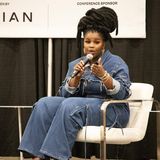
Uthingo Le Nkosazana gives voters a body of recordings in which to hear how Nkosazana Daughter holds long vocal lines against several different amapiano rhythms.

Sho Madjozi’s John Cena shows how she uses fast rhythmic speech and an instantly identifiable refrain. Ask what the different sounds and accents of her words do to the beat.
No entries from this region on this list yet.
About this ranking
Miriam Makeba makes choices about consonants, timing and breath feel part of a song’s rhythm. Brenda Fassie’s delivery can put a new edge into a recurring hook. You can hear both kinds of skill in a short section, but the comparison gets better after several records.
Gospel puts other demands on the voice. A singer such as Rebecca Malope can give a group enough room to answer while keeping the centre of the performance. On a pop single such as Water, the strongest detail can instead be the delay on a single syllable.
A voice in dance music can be the thread that runs through several changes in the rhythm. Try listening to the contribution from Nkosazana Daughter or Nomcebo Zikode after following the percussion alone. The lead may sound simple until you can hear the exact spaces in which it has to land.
Think someone is missing from this list?
Suggest an entry and we'll review it for inclusion.