
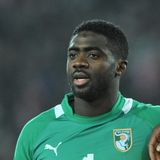
Touré played 326 games for Arsenal and formed a central defensive partnership with Sol Campbell in the unbeaten league season. Compare the way he defended space and supported the team over successive seasons with the impact of a single attacking peak.
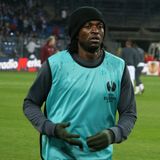
The club credits Adebayor with 30 goals in 40 starts in 2007–08. His strongest case is the scoring burden he took on in that team, with his movement and finishing giving Arsenal a different kind of focal point after Thierry Henry.

Aubameyang scored both Arsenal goals in the 2020 FA Cup final against Chelsea. For voters who value a performance in a match that decides a trophy, those two different finishes give his spell a clear point of reference.

Gervinho arrived from Lille in 2011. His Arsenal case comes from the problems he could set a defence when he carried the ball or moved into space, with a shorter spell to weigh against longer-serving wide players.

Arsenal’s match programme credits Iwobi with 149 first-team appearances before he moved to Everton. His case is that of a player who came through the club and made a sustained contribution in wide and supporting attacking roles.

Partey came to Arsenal from Atlético Madrid. A midfield assessment should consider what he offered when Arsenal needed to work through pressure and move the ball forward, with his spell judged through the matches he played for the club.
Arsenal’s profile records 14 assists in Song’s final season with the club. That output is a reason to look beyond his defensive midfield work and examine the passes that turned possession into chances.
Eboué started at right-back when Arsenal reached the 2006 Champions League final. His case includes the ability to support moves on the right as well as to defend that flank against strong opposition.
Lauren’s work at right-back helped sustain Arsenal’s unbeaten league season. His case starts with choices a full-back makes over and over, when to get forward, when to stay and how to keep a winger from dictating the flank.
Elneny made 161 first-team appearances across eight years at Arsenal. His case is reliable midfield cover over a sustained spell, which makes a different comparison from a player whose contribution is concentrated in one dominant season.
Pépé started on the right in the 2020 FA Cup final. Compare the individual threat he could bring from that flank with the steadiness of his wider Arsenal spell. His transfer fee is a different question from what he did on the pitch.
Chamakh scored in Arsenal’s Champions League home win over Braga in 2010. His strongest case is the value he offered as a central striker in the early part of his spell rather than the scale of his work elsewhere.
Wreh scored Premier League goals for Arsenal in the 1997–98 title season. His case is the value of contributions inside a winning squad even when a striker is playing fewer games than the leading names.
Owusu-Abeyie made first-team appearances for Arsenal before representing Ghana at senior international level. The club spell is a smaller body of evidence than that of a regular starter, so judge the first-team matches on their own.
Traoré made an early Arsenal start at Everton in the League Cup. His case is the work of a young left-back progressing into the first team. Weigh those club appearances separately from his later career.
The Arsenal match record against Swansea puts Frimpong in the first team and involved in efforts to regain control of midfield. A short club record makes individual displays especially important when assessing his spell.
Diawara’s brief Arsenal spell in 1999 included league and FA Cup appearances. That gives him a place in the club history, with a much smaller set of performances to assess than the other Arsenal forwards on this ballot.

Bennacer’s senior Arsenal debut came in the League Cup at Sheffield Wednesday in 2015. The brief opportunity qualifies him for the ballot. Use that appearance as the measure of his Arsenal contribution.
Vieira captained Arsenal through the unbeaten 2003–04 league season and won three league titles with the club. Born in Senegal, he represented France. Look at how his tackling and passing let Arsenal win the ball and begin the next attack.
Djourou progressed into Arsenal’s first team and played at centre-back and on the right of defence. Born in Côte d’Ivoire, he represented Switzerland. His league and European appearances give voters several seasons of club work to examine.
No entries from this region on this list yet.
About this ranking
Judge the Arsenal spell
Who made the greatest contribution in an Arsenal shirt? It is a club question, open to players who were born in Africa or represented a senior African national team and made a competitive appearance for Arsenal’s men’s first team. Some earned recognition abroad before coming to London or after leaving. For this vote, give weight to what they did for Arsenal.
An unbeaten season, a final and a peak
Kolo Touré’s 326 appearances give voters a substantial club record to consider. His partnership with Sol Campbell in the unbeaten 2003–04 team belongs in the same discussion as Lauren’s work at right-back, with different responsibilities inside the same defence. Patrick Vieira, born in Senegal and a senior France international, captained that unbeaten side from midfield. Nwankwo Kanu gives the ballot a contrasting kind of evidence. His late hat-trick at Chelsea in 1999 is a reminder of what a forward can change within a short spell of a single game.
Emmanuel Adebayor offers the scoring output of a sustained peak, with 30 goals in 40 starts in 2007–08 according to Arsenal. Pierre-Emerick Aubameyang has his own case in a decisive match, having scored both goals against Chelsea in the 2020 FA Cup final. Decide how you weigh season-long responsibility against delivery in a match with a trophy at stake.
Look at what the role required
Emmanuel Eboué’s place in the 2006 Champions League final is one point of reference for his work on the right. Alex Song’s final-season assists show why a midfield role may be worth assessing at both ends of a move. Mohamed Elneny’s years in the squad let you weigh a different kind of contribution, made across several seasons. Alex Iwobi gives voters the case of a club-developed player who went on to play regularly for the first team.
The shorter spells deserve attention at the scale they were played. Consider how much a cup run, a productive patch or a single appearance can tell you, and weigh that evidence alongside the records of players who had years to establish themselves. Judge the individual within the team and let the votes decide how much each type of contribution counts.
Think someone is missing from this list?
Suggest an entry and we'll review it for inclusion.